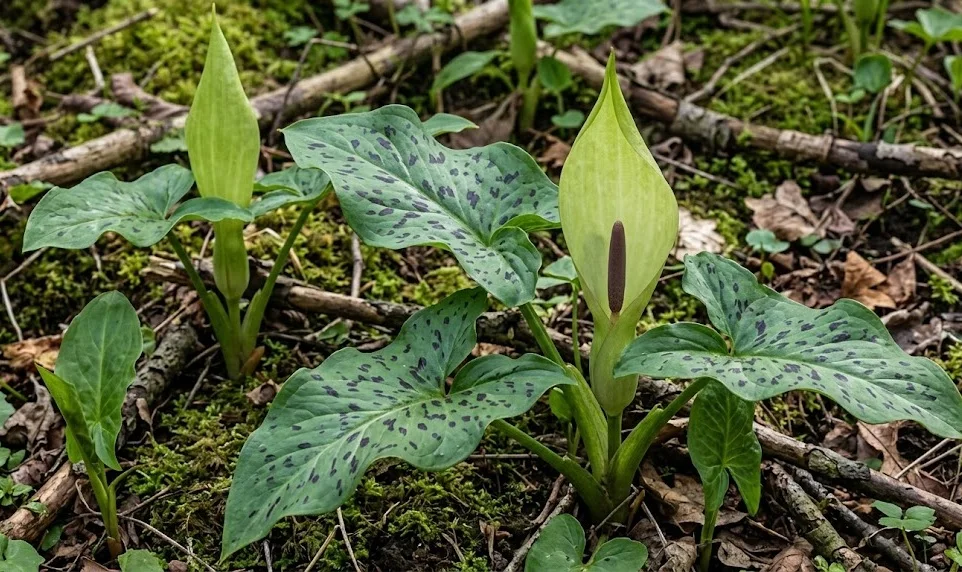

Managing the foliage and spent stalks of these woodland perennials is an important part of garden maintenance that requires both care and timing. Because all parts of the plant are toxic, pruning should always be done with the appropriate protective gear and a clear understanding of the plant’s biology. The goal of pruning is to keep the garden tidy and prevent the spread of disease while allowing the plant to complete its natural lifecycle. Following professional guidelines for cutting back will ensure that your plants remain healthy and your gardening experience stays safe.
Timing the removal of spring foliage
The most important rule when it comes to pruning these plants is to wait until the leaves have completely finished their job. As long as the foliage is green, it is actively producing energy that is being stored in the underground tuber for the following year. Cutting the leaves back too early will significantly weaken the plant and may prevent it from flowering or producing berries in the future. Always wait until the leaves have turned yellow or brown and have naturally collapsed toward the ground.
Once the foliage has reached this state, usually in early to mid-June, it can be safely removed to tidy up the garden bed. Use a sharp pair of pruners or garden shears to cut the leaf stalks at the base, being careful not to nick the central flowering stem. If you have a large colony, you can simply pull the dead leaves away by hand, as they will usually detach easily from the base. This cleanup allows the developing fruiting spike to take center stage without being obscured by decaying organic matter.
Removing the old foliage also has the benefit of improving air circulation around the base of the plant during the humid summer months. This can help prevent the buildup of fungal spores and discourage slugs from hiding in the damp, decaying leaves. A clean garden bed is not just about aesthetics; it is a key component of a healthy plant environment. Just remember that “tidy” should never come at the expense of the plant’s ability to store energy.
If you are following a more naturalistic or “wild” gardening style, you may choose to leave the leaves to rot in place. This provides extra organic matter for the soil and mimics the natural processes of the woodland floor. However, if you notice any signs of leaf spot or other diseases, it is always better to remove and destroy the affected foliage. Your decision on whether to prune or not should be based on both your aesthetic goals and the overall health of the colony.
More articles on this topic
Safe foliage removal and protective gear
Because the sap of these plants contains irritating calcium oxalate crystals, safety must be your first priority during any pruning task. Always wear a sturdy pair of waterproof gloves to prevent the sap from coming into contact with your skin. It is also a good idea to wear long sleeves and long trousers to protect your arms and legs from accidental splashes or contact. If you have particularly sensitive skin, even a small amount of sap can cause a persistent, stinging rash.
Before you begin, ensure that your pruning tools are clean and sharp to make the process as efficient as possible. Sharp blades make clean cuts that heal more quickly and are less likely to invite infection than ragged, crushed stems. If you are moving between different groups of plants, consider wiping your blades with a disinfectant to prevent the potential spread of pathogens. Good tool hygiene is a fundamental practice for any professional gardener.
Collect the pruned material immediately and dispose of it in a way that prevents accidental contact by others, especially children or pets. While the leaves can be composted, it is best to do so in a “hot” compost pile where they will break down quickly and thoroughly. If you are unsure about your composting process, or if the leaves are diseased, it is better to dispose of them in your municipal green waste bin. Never leave piles of pruned foliage lying around the garden where they could be a hazard.
After you have finished pruning, wash your gloves and tools thoroughly with soap and water to remove any residual sap. It is also a wise precaution to wash your hands and arms, even if you were wearing protective clothing. Being mindful of the toxic properties of the plant allows you to maintain your garden effectively without any negative health consequences. Respecting the plant’s defenses is an integral part of being an experienced and responsible horticulturist.
More articles on this topic
Managing the seed head and aftercare
The final pruning task of the year involves the central stalk that carries the bright red berries in late summer and autumn. Many gardeners choose to leave these spikes in place because of their high ornamental value and their benefit to local birds. However, once the berries have been eaten or have fallen, the remaining dry stalk can look somewhat unsightly. This stalk can be cut back to the ground once it has turned brown and brittle, usually in late autumn or early winter.
If you do not want the plants to spread through self-seeding, you should remove the fruiting spike before the berries are fully ripe. This “deadheading” prevents the seeds from being dispersed throughout your garden by birds or gravity. This is a useful technique if you want to keep a colony contained within a specific area or if you have limited space. Simply cut the spike at the base and dispose of it carefully, keeping the toxic nature of the berries in mind.
After pruning, it is a good practice to apply a fresh layer of mulch around the base of the plants to protect the newly exposed soil. This mulch will suppress any weeds that might try to move into the cleared space and will provide insulation for the winter ahead. You can also take this opportunity to check the labels or markers for your plants, ensuring they are still visible for the dormant season. Proper aftercare ensures that your hard work during the pruning process leads to a healthy and productive next season.
Ultimately, pruning these woodland perennials is about working with the plant’s natural rhythm rather than trying to force it into a rigid shape. By understanding when to cut back and how to do so safely, you can enjoy all the unique features of these plants throughout the year. Gardening is a continuous cycle of growth and maintenance, and these ancient plants are a wonderful part of that journey. With a little attention to detail, your lords and ladies will remain a highlight of your shaded garden for many years to come.