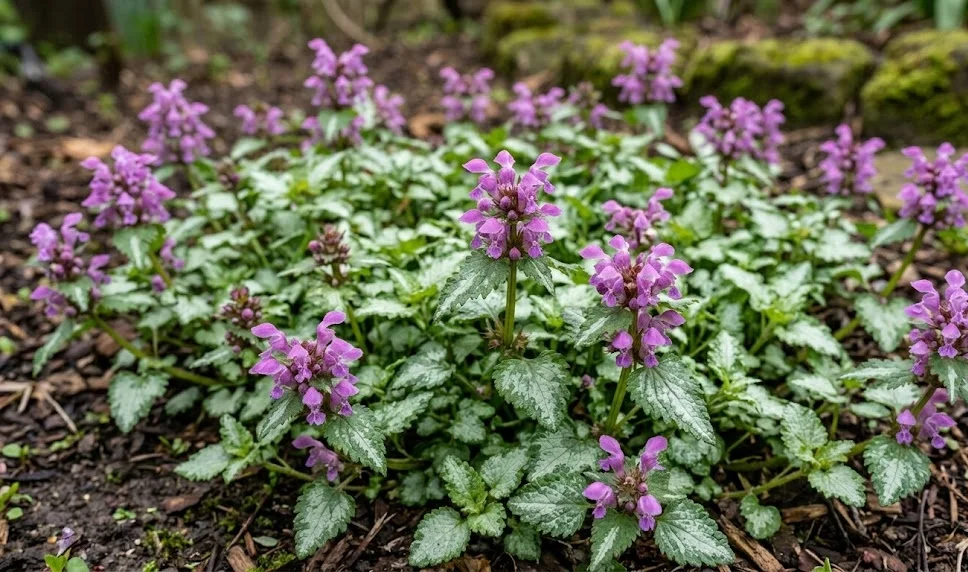

Precision in hydration and nutrient management is the cornerstone of cultivating a professional-grade display of spotted dead-nettle. This species, while resilient, displays its most intense variegation and densest growth when its specific physiological needs are met through a structured maintenance routine. Balancing the availability of moisture with a measured delivery of essential elements prevents common horticultural pitfalls like leaf scorch or nutrient leaching. A deep understanding of how these factors interact allows the gardener to create an environment where the plant truly flourishes.
Strategic irrigation principles
The primary objective of a successful watering strategy is to maintain a consistent level of soil moisture that mimics the damp forest floor. Spotted dead-nettle does not tolerate prolonged periods of drought, which can lead to rapid wilting and the loss of lower leaves. However, the opposite extreme of standing water is equally dangerous, as it deprives the roots of oxygen. The most effective approach involves deep watering that saturates the entire root zone, followed by a period that allows the surface to dry slightly.
Observing the plant’s physical cues is an essential part of determining when to irrigate. In the early stages of water stress, the silver parts of the leaves may lose their luster and the stems may begin to lose their turgidity. Watering during the early morning hours is highly recommended to minimize the risk of fungal infections. This timing allows the foliage to dry before evening, reducing the window of opportunity for pathogens to take hold.
The frequency of watering should be adjusted based on the current weather conditions and the type of soil present. In sandy soils, water drains quickly, requiring more frequent but perhaps lighter applications to keep the plants hydrated. Clay-heavy soils retain moisture for longer periods, meaning the interval between watering sessions can be extended significantly. During periods of intense summer heat, a second light watering in the late afternoon might be necessary if the plants show signs of severe stress.
Automated systems, such as drip lines or soaker hoses, provide the most uniform delivery of water to a groundcover bed. These tools ensure that the moisture reaches the soil directly without wetting the leaves excessively. If using manual methods, a gentle spray head should be used to avoid displacing the soil or damaging the delicate stems. Consistent irrigation practices build a strong foundation for the plant to withstand environmental fluctuations throughout the year.
More articles on this topic
Essential nutrient balance
A scientific approach to fertilization focuses on providing the specific elements that support foliage color and structural integrity. Spotted dead-nettle benefits from a balanced N-P-K (nitrogen, phosphorus, potassium) ratio, typically something like 10-10-10 or 20-20-20. Nitrogen is the primary driver of the lush, green and silver leaves that make this plant so desirable in a landscape. Phosphorus supports root development, while potassium enhances the plant’s overall resilience against disease and temperature extremes.
In many garden settings, the use of organic fertilizers is preferred for their ability to improve soil structure over time. Well-composted manure or high-quality garden compost provides a slow release of nutrients that is less likely to burn the roots. These organic sources also introduce beneficial microbes that assist in nutrient cycling and soil health. Applying a thin layer of compost as a top-dressing in early spring is often sufficient for established colonies.
The timing of fertilizer application should coincide with the plant’s natural growth spurts to maximize efficiency. An initial feeding in early spring, just as new growth appears, sets the stage for a vigorous growing season. A second, lighter application in early summer can help the plant maintain its color through the hottest months. It is generally advisable to stop fertilizing by mid-August to allow the plant to prepare for its winter dormancy.
Over-fertilization can lead to several problems, including an increased susceptibility to pests and a loss of leaf variegation. If the plant receives too much nitrogen, it may produce soft, succulent growth that is easily damaged by wind or insects. In some cases, the silver patterns on the leaves may even turn entirely green as the plant focuses exclusively on rapid expansion. A “less is more” philosophy often yields the most aesthetically pleasing and healthy results.
More articles on this topic
Monitoring soil moisture and drainage
Effective moisture management requires a deep understanding of the site’s unique drainage characteristics. A soil that stays saturated for too long can cause the roots to suffocate and eventually rot, a condition that is often difficult to reverse. Conversely, soil that dries out too quickly can lead to chronic stress and stunted growth. Regularly checking the soil at different depths helps in building a mental map of the garden’s moisture patterns.
Mulching plays a vital role in regulating the moisture levels and protecting the soil surface from crusting. A layer of organic mulch, such as wood chips or shredded leaves, acts as a buffer against temperature swings and evaporation. This layer also helps to prevent soil from splashing onto the leaves during heavy rains, which can spread soil-borne diseases. The mulch should be replenished annually to maintain its effectiveness and continue contributing organic matter to the soil.
If a site is found to have poor drainage, corrective measures such as installing a French drain or elevating the planting bed may be necessary. For smaller areas, simply incorporating coarse sand or fine gravel into the soil can improve the movement of water. It is important to address these issues before planting, as retrofitting drainage solutions can be disruptive to established groundcovers. Proper drainage is the invisible partner to a good watering routine.
In container-grown specimens, the choice of potting mix and the presence of drainage holes are paramount. Containers dry out much faster than garden beds, so they may require daily monitoring during the summer. Using a moisture-retaining additive like perlite or vermiculite can help stabilize the environment within the pot. Regardless of the planting location, the goal remains the same: a stable, damp environment that supports continuous growth.
Micronutrients and foliage intensity
Beyond the primary N-P-K elements, several micronutrients play a critical role in the health of spotted dead-nettle. Iron and magnesium are particularly important for the synthesis of chlorophyll and the maintenance of leaf color. A deficiency in these minerals can lead to interveinal chlorosis, where the leaves become pale while the veins remain dark green. If such symptoms occur, a soil test can confirm the deficiency and guide the application of targeted amendments.
The availability of these micronutrients is often tied to the pH of the soil, which should ideally be between 6.0 and 7.0. In soils that are too alkaline, certain elements like iron become chemically locked and unavailable to the plant. Adding elemental sulfur or acidic organic matter can help lower the pH to a more suitable range. Maintaining the correct pH ensures that the plant can fully utilize the nutrients present in the soil.
Foliar feeding is an advanced technique that involves spraying a diluted nutrient solution directly onto the leaves. This method provides a quick boost of micronutrients and can be particularly effective during the peak growing season. It should be done in the cool of the evening or early morning to prevent leaf burn from the sun. While not a replacement for a solid soil-based fertilization program, it can be a useful tool for fine-tuning the plant’s appearance.
Sustainable fertilization practices also include the use of “green” amendments like kelp or fish emulsion. These products are rich in trace minerals and growth hormones that promote robust health and vibrant colors. They are easily absorbed by the plant and present a low risk of environmental contamination. Integrating these natural boosters into the maintenance schedule reflects a professional commitment to ecological gardening.
Seasonal adjustments and long-term health
As the seasons transition, the plant’s water and nutrient requirements shift significantly, requiring a flexible approach from the gardener. In the cool, wet days of early spring, natural precipitation may be sufficient, and heavy watering could be detrimental. As the days lengthen and temperatures rise, the need for supplemental irrigation increases proportionally. By late summer, as the growth rate naturally slows, the frequency of watering can be gradually reduced.
During the dormant winter period, the plant requires very little moisture, and fertilization should be suspended entirely. In regions with dry winters, a single deep watering during a mid-winter thaw can prevent the roots from desiccating. It is important to avoid any activity that could compact the frozen soil around the dormant roots. Respecting the plant’s natural rhythm of activity and rest ensures its longevity in the garden.
The long-term health of the colony also depends on preventing the buildup of salts from synthetic fertilizers. Periodically leaching the soil with heavy, fresh water can help wash away these accumulations and refresh the root environment. If the plants begin to look lackluster despite regular care, it may be a sign that the soil chemistry needs a reset. This proactive maintenance prevents the “slow decline” often seen in poorly managed groundcover beds.
Finally, the relationship between watering, fertilization, and general care is a holistic one. A plant that is correctly hydrated will be better able to transport and utilize the nutrients provided in the soil. Likewise, a well-nourished plant will develop a more robust root system that is better equipped to find moisture during dry spells. Mastering this balance is the hallmark of a truly expert gardener, resulting in a stunning and resilient display of spotted dead-nettle.