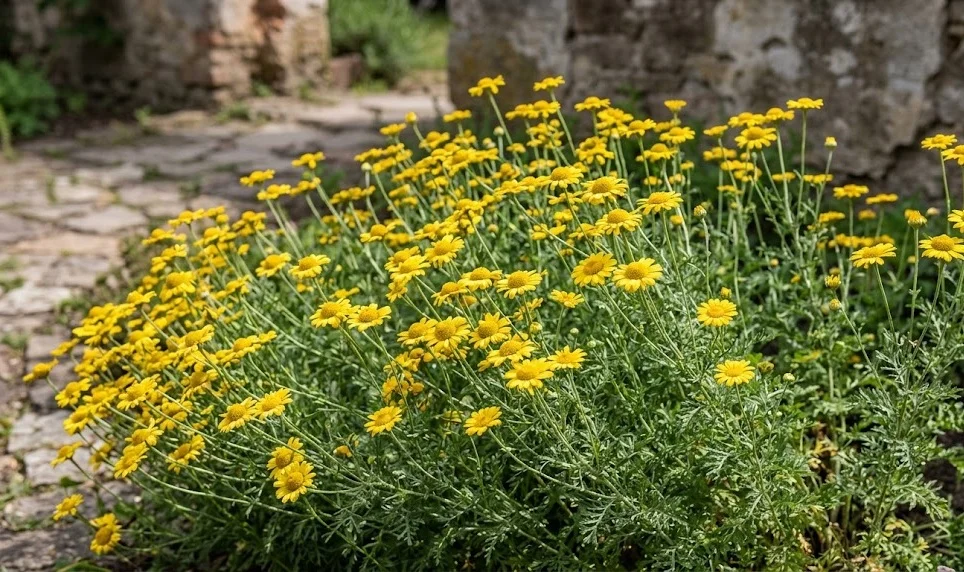

Pruning and cutting back are vital techniques for managing the growth habit and flowering performance of the golden marguerite. This perennial is naturally vigorous and can become somewhat unruly or “floppy” if left to its own devices for too long. You should approach pruning as a way to sculpt the plant, encouraging a dense, bushy form that is covered in flowers. Regular intervention not only improves the look of the plant but also extends its useful life in the garden landscape.
The first major pruning task of the year usually occurs in late spring or early summer, just before the first flowers appear. Many experienced gardeners use a technique called the “Chelsea Chop,” which involves cutting back the stems by about one-third or one-half. This practice delays the onset of flowering by a couple of weeks but results in a much sturdier and more compact plant. It also increases the number of flowering side-shoots, leading to a more profuse and long-lasting display of golden daisies.
Deadheading is the most frequent form of pruning you will perform throughout the summer months to maintain a tidy appearance. As individual flowers fade and lose their petals, you should snip them off back to the nearest healthy leaf or bud. This prevents the plant from wasting energy on seed production and encourages it to keep producing new flower buds. A quick daily walk-through with a pair of sharp snips is all it takes to keep your golden marguerites looking fresh and vibrant.
If the plant becomes too leggy or starts to fall open in the middle of the season, a more drastic cutback may be necessary. You can reduce the entire clump by half its height in mid-July to stimulate a fresh flush of foliage and a second wave of late-summer blooms. While it may feel painful to cut away green growth and the occasional bud, the plant will respond with renewed vigor within a few weeks. This rejuvenation pruning is a professional secret for keeping summer borders looking their best right until the first frosts.
Rejuvenation and end-of-season pruning
As the summer draws to a close and the final flowers begin to fade, you can start thinking about the autumn cleanup. You should avoid cutting the plant all the way to the ground immediately, as the remaining green leaves are still providing energy to the roots. Instead, simply remove the old flower stalks and any dead or yellowing foliage to keep the area neat. This allows the plant to naturally transition into its dormant state as the temperatures begin to cool down significantly.
More articles on this topic
Once the first hard frosts have killed back the majority of the foliage, it is time for the final cutback of the year. You should trim the stems down to a few inches above the soil surface, creating a tidy “mound” of stubble. This removes the old material that could harbor pests or fungal spores over the winter months while protecting the central crown. Leaving a small amount of stem also helps you remember where the plant is located during your early spring garden chores.
Rejuvenation of older plants is often necessary every few years to prevent them from becoming too woody and unproductive. You will notice that the center of an old clump often dies out, leaving a “doughnut” shape of living growth around the edges. When this happens, the best “pruning” is actually to dig up the entire plant and divide it into smaller, healthier sections. Replanting the young, vigorous outer pieces will effectively reset the plant’s life cycle and restore its beauty to your garden.
Maintaining clean and sharp tools is an absolute requirement for any successful pruning or cutting operation in the garden. Dull blades will crush the stems rather than cutting them cleanly, which creates an entry point for diseases and takes longer for the plant to heal. You should also wipe your blades with disinfectant between different plants to prevent the accidental spread of any hidden pathogens. Investing in a high-quality pair of bypass pruners will make the task much easier and more enjoyable for you and healthier for your plants.
Shaping and aesthetic control
The way you prune your golden marguerite can significantly influence the overall aesthetic of your flowerbeds and borders. For a more formal look, you can keep the plant tightly clipped into a rounded mound through frequent light trimming. In a more naturalistic or meadow-style garden, you might allow the stems to grow a bit longer and flow into neighboring plants. You should decide on the desired effect before you start cutting, as every snip will affect the plant’s final appearance.
More articles on this topic
Thinning out some of the internal stems can also be beneficial if the clump becomes exceptionally dense and air circulation is compromised. By removing a few of the weaker stems from the center, you allow more light and air to reach the interior of the plant. This simple act of “opening up” the specimen reduces the risk of powdery mildew and ensures that all the leaves stay green and healthy. It is a subtle technique that makes a big difference in the overall vitality of the golden marguerite.
If you are growing this perennial in a container, you will need to be even more diligent with your pruning and shaping efforts. Container plants have limited root space and can quickly become overgrown or top-heavy if not kept in check. Regular pinching of the growing tips during the spring will encourage a much bushier and more attractive shape for pot culture. You should aim for a plant that is well-balanced and does not lean too far over the edges of its container.
Finally, remember that pruning is as much an art as it is a science, and you will become more confident with practice. Don’t be afraid to experiment with different timing or intensities of cutting to see how your specific plants respond. Every garden is a unique environment, and your golden marguerites will eventually teach you exactly what they need to thrive. Your dedication to proper pruning will be rewarded with a spectacular and healthy display of golden light every single summer.