
The amount and quality of light that a black-stemmed dogwood receives play a fundamental role in its overall health and aesthetic appeal. While these shrubs are known for their adaptability, their visual characteristics are highly dependent on their exposure to the sun throughout the day. Finding the perfect balance of light ensures that the plant remains vigorous and produces the most intense bark coloration possible. This guide provides an expert look at how light affects your dogwoods and how you can manage their placement for the best results in your garden.
Balancing full sun and partial shade
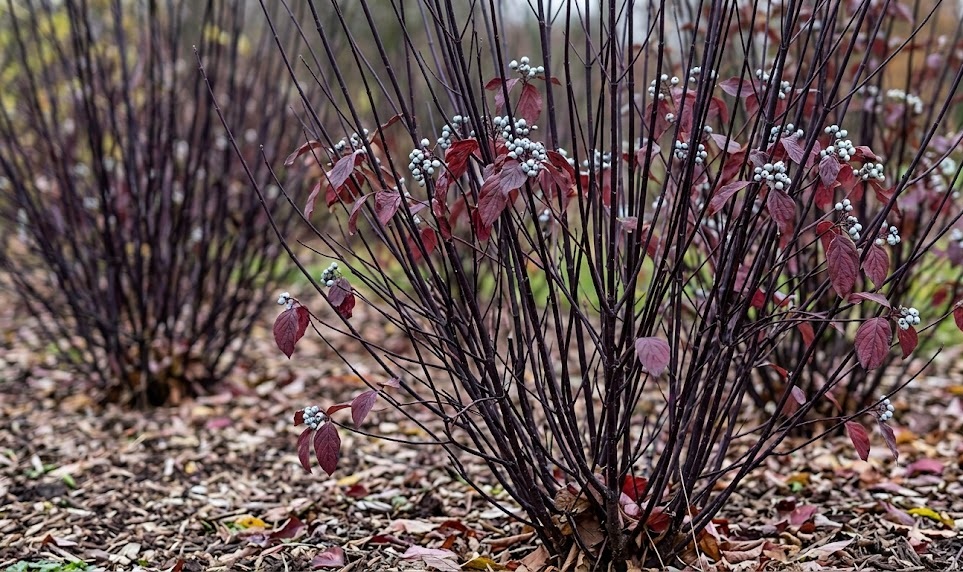
In an ideal garden setting, the black-stemmed dogwood performs best when planted in a location that receives full sun to partial shade. Full sun generally means at least six hours of direct sunlight each day, which is the primary driver for healthy growth and vibrant stems. The energy from the sun allows the plant to produce the pigments that give the bark its unique and desirable dark purple or black color. Without enough light, the stems may appear a duller, muddy green or brownish hue that lacks the same visual impact.
However, these shrubs are also quite tolerant of partial shade, which can be beneficial in regions with very hot and intense summer climates. A bit of afternoon shade can prevent the foliage from scorching and help the plant maintain its moisture levels during the peak of the heat. If you live in a cooler climate, you should prioritize a more sunny location to ensure the plant has enough energy to thrive. Observing how the light moves across your garden during the different seasons will help you identify the best possible spot.
In areas with deep or heavy shade, the dogwood may become leggy and sparse as it stretches toward the light in search of more energy. This can lead to a weaker overall structure and a significant reduction in the density of the foliage and stems. You might also notice that the plant becomes more susceptible to fungal issues like powdery mildew when it is grown in a dark, damp corner. If your dogwood is struggling in a shaded area, you might consider moving it to a brighter location or thinning out nearby overhanging trees.
Ultimately, the goal is to provide a consistent and high-quality light source that meets the biological needs of the shrub without causing undue stress. Most professional landscapes use these dogwoods in transitional areas where they can enjoy the best of both worlds throughout the day. By paying attention to the specific light levels in your garden, you can ensure that your shrubs remain a healthy and beautiful focal point. The right light is the secret ingredient for a spectacular display of both leaves and bark.
More articles on this topic
Impact of light on stem pigmentation
One of the most fascinating aspects of the black-stemmed dogwood is how the intensity of its bark color is directly linked to the amount of sunlight it receives. The dark pigments, known as anthocyanins, are produced more heavily when the stems are exposed to bright light during the growing season. This is why the stems on the outside of the shrub, which get the most sun, are often much darker than the ones in the center. By managing the light levels, you are essentially acting as an artist, controlling the intensity of the colors in your garden.
If your plant is consistently shaded by buildings or other large shrubs, you may find that the winter display is not as dramatic as you had hoped. The lack of UV exposure prevents the full development of the dark tones, leaving you with stems that look more like a standard dogwood. This is particularly noticeable in the younger growth, which should be the most vibrant part of the entire plant. Ensuring that light can reach all parts of the shrub is a key part of maintaining its professional appearance through the winter months.
Proper pruning also plays a significant role in managing how light interacts with the individual stems of the dogwood. By thinning out the center of the shrub, you allow more sunlight to penetrate the inner canopy and reach the newer growth. This not only improves the color of the interior stems but also encourages a more uniform and balanced look for the entire plant. A well-pruned shrub that receives ample light will always be more visually striking than one that is overcrowded and shaded.
You should also consider the orientation of your planting site in relation to the winter sun, which sits much lower in the sky than during the summer. A spot that gets good southern exposure will allow the low winter sun to light up the stems from the side, creating a beautiful glowing effect. This architectural quality is one of the main reasons people choose this variety for their winter gardens. Understanding the physics of light and how it interacts with the plant will help you maximize the beauty of your landscape.
More articles on this topic
Managing light in crowded or established gardens
As a garden matures, the light levels can change significantly as trees grow larger and buildings or fences are added to the landscape. If you find that your once-sunny spot has become shaded over time, you may need to take action to maintain the health of your dogwoods. Pruning back overhanging branches from nearby trees is often the simplest and most effective way to restore the light levels. This “limbing up” process can open up the garden and allow more sunshine to reach the shrubs growing underneath.
If physical changes to the surrounding environment have permanently reduced the light, you might need to adjust your expectations for the plant’s performance. You may notice that the shrub grows more slowly and that the bark color is not as deep as it was in previous years. In some cases, it may be better to transplant the dogwood to a new, sunnier location rather than letting it struggle in the shade. Moving a mature shrub is a big task, but it can often revitalize a plant that has become stagnant due to a lack of light.
Using reflective surfaces can also be a creative way to bounce a bit more light into a shaded corner of your garden or yard. Lighter-colored mulch, white fences, or even strategically placed garden art can help brighten up an area and provide a small boost to nearby plants. While this won’t replace the benefits of direct sunlight, it can make a noticeable difference in the overall atmosphere and the health of the foliage. Every bit of extra light helps when you are working in a challenging or crowded urban garden setting.
Finally, remember that the light requirements of the black-stemmed dogwood are just one part of its overall care and maintenance routine. Light works in tandem with water and nutrients to provide the energy the plant needs to build strong stems and beautiful leaves. By monitoring the light levels and making adjustments as needed, you are providing the best possible environment for your shrubs to thrive. A well-lit dogwood is a healthy dogwood, and its beauty will be a constant reward for your efforts as a professional gardener.