
Properly maintaining your black pine is a rewarding endeavor that requires a deep understanding of its natural habitat and biological needs. You should observe the tree throughout the seasons to ensure it adapts well to your specific local environment. Every gardener knows that consistency is the key to a healthy evergreen that stands the test of time. By following a structured approach, you can create a thriving landscape feature that adds value and beauty.
The root system of this species is particularly robust, but it still requires adequate oxygen and drainage to function optimally. You must avoid soil compaction around the base of the tree as it can lead to stunted growth over several years. Providing a layer of organic mulch can help regulate soil temperature while also suppressing competing weed growth effectively. I recommend checking the soil moisture levels regularly to prevent the roots from sitting in standing water for too long.
Managing the surrounding vegetation is another crucial aspect of long-term care that often gets overlooked by beginners. You should ensure that larger neighboring trees do not encroach on the space needed for the canopy to expand naturally. Competition for nutrients can be intense in a crowded garden, so spacing is a factor you must prioritize from the start. Taking the time to clear away debris from the base of the tree will also reduce the risk of hiding pests.
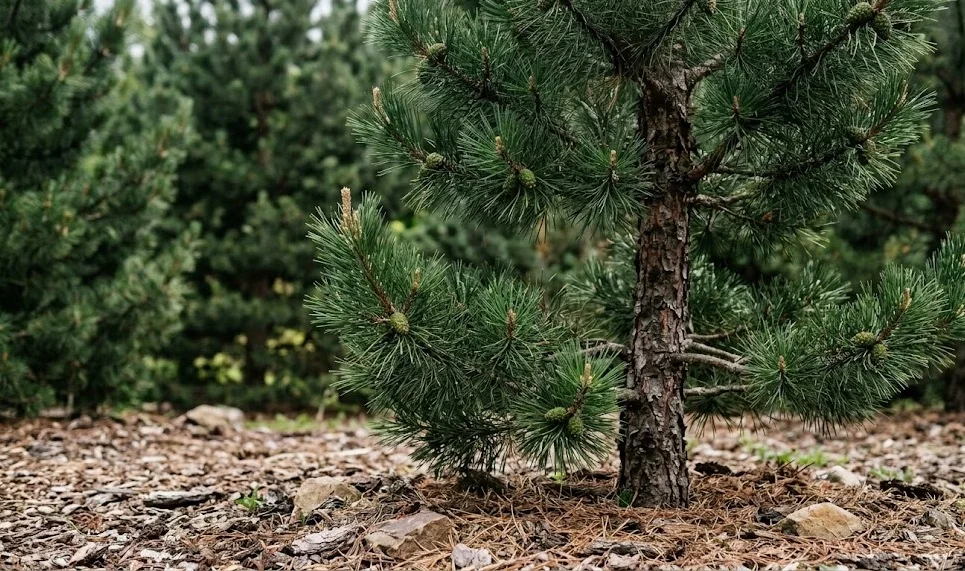
Finally, you should pay close attention to the color of the needles as they are the primary indicator of the tree’s overall vitality. Vibrant, deep green needles suggest that the tree is receiving the right balance of light, water, and minerals from the earth. If you notice any yellowing or premature dropping of needles, it might be time to reassess your maintenance routine. Understanding these subtle signals will make you a much more effective and professional gardener in the long run.
Understanding the basic needs
The environmental resilience of the black pine makes it a favorite among landscape architects and professional foresters alike. You will find that this tree can tolerate a variety of conditions, including coastal salt spray and urban pollution. However, providing a stable foundation during the first few years of growth is absolutely essential for its survival. You should aim to replicate its native Mediterranean and European conditions whenever possible for the best results.
More articles on this topic
Air circulation is a factor that many people forget when planning their garden layout or agricultural plot. You need to ensure that the air can move freely through the branches to prevent the buildup of moisture and fungal spores. Dense planting might look good initially, but it often leads to health issues as the trees mature and fill out their space. I suggest leaving ample room between specimens to allow for their impressive mature width and height.
Temperature fluctuations are generally well-tolerated by established trees, but young saplings need some protection from extreme shifts. You should monitor the weather forecasts during the spring and autumn to anticipate any sudden freezes or heatwaves. While the tree is incredibly hardy, stress from rapid temperature changes can weaken its natural defenses against opportunistic diseases. Taking proactive steps to mitigate these environmental stresses will pay off in the health of the tree.
Lastly, you must consider the long-term impact of your local climate on the tree’s growth rate and needle density. Areas with shorter growing seasons may produce more compact trees, while warmer regions might see rapid, leggy growth. You should adjust your care plan based on these regional observations to maintain the desired aesthetic and structural integrity. A professional approach always involves tailoring general knowledge to the specific reality of your own unique landscape.
Soil management and site preparation
Selecting the right soil composition is the first step toward ensuring the longevity of your newly planted pine. You should look for a site that offers excellent drainage, as waterlogged roots are the most common cause of failure. Sandy or loamy soils are ideal because they allow for proper aeration while still holding onto essential trace elements. If you are dealing with heavy clay, you must incorporate organic matter or grit to improve the overall structure.
More articles on this topic
Testing the pH of your soil before planting can save you a significant amount of trouble in the future. You should aim for a slightly acidic to neutral range, though this species is surprisingly adaptable to alkaline conditions. If the soil is too acidic, adding a small amount of lime can help balance the environment for better nutrient uptake. Always remember that the soil is a living ecosystem that requires your attention and periodic enrichment.
Preparation of the site should begin several weeks before you actually place the tree into the ground. You should clear the area of all aggressive weeds and grass that might compete with the young pine for moisture. Digging a hole that is significantly wider than the root ball allows the new roots to spread out easily into the loosened soil. This initial effort provides the tree with the best possible start and encourages a deep, stable root system.
Incorporating a high-quality compost or aged manure can provide a steady supply of nutrients during the critical establishment phase. You should mix these amendments thoroughly with the existing soil to avoid creating a pocket of overly rich material. This technique encourages the roots to grow beyond the planting hole in search of more resources, strengthening the tree’s anchor. A well-prepared site is the cornerstone of a professional gardening project and ensures minimal transplant shock.
Seasonal maintenance routines
Spring is the time when you should focus on cleaning up the area and preparing for the new growth flush. You should inspect the branches for any winter damage or broken tips that may have occurred during heavy snow. Applying a fresh layer of mulch at this time will help keep the roots cool as the temperatures begin to rise. This is also the perfect window to check for early signs of pest activity as the insects become active.
During the summer months, your main priority shifts to maintaining adequate hydration levels and monitoring for heat stress. You should water the tree deeply during prolonged dry spells to ensure the moisture reaches the lower parts of the root zone. Avoid shallow, frequent watering as this encourages the development of weak, surface-level roots that are prone to drying out. Keeping a close eye on the tree’s appearance will help you detect if it needs extra support during the peak heat.
Autumn is the ideal season for performing a final health check and preparing the tree for its dormant period. You should reduce any high-nitrogen fertilization to allow the new growth to harden off before the first frost arrives. Cleaning up fallen needles and debris from around the base will help prevent fungal issues from overwintering in the soil. This period of transition is vital for the tree to store the energy it needs for the following year’s growth.
Winter maintenance is mostly about observation and protection from physical damage caused by the elements. You should be careful when removing heavy snow from the branches to avoid snapping the wood under pressure. If the ground is not frozen, a final deep watering can help the tree stay hydrated through the cold, dry winds. Consistency throughout the year ensures that your black pine remains a centerpiece of the garden regardless of the weather.
Monitoring growth and health
Keeping a detailed log of your tree’s growth can help you identify trends and potential problems before they become serious. You should measure the annual candle growth to see if the tree is reaching its full potential in its current location. If you notice a sudden decline in growth, it could be an early indicator of soil exhaustion or hidden root issues. Professional arborists always rely on these observations to make informed decisions about their maintenance strategies.
The structural integrity of the trunk and main scaffold branches must be checked at least twice a year. You should look for any cracks, sap oozing, or unusual swellings that might indicate internal stress or disease. Early intervention is key when it comes to structural problems, as they can quickly become hazardous in high winds. Ensuring that the tree develops a strong, central leader will contribute to its majestic appearance as it ages.
Needle health is perhaps the most visible sign of how well your care routine is working for the tree. You should examine the needles for any spots, bands of discoloration, or evidence of nibbling by insects. Healthy needles should be firm and have a consistent color throughout the entire length of the branch. If the tree starts shedding needles from the inside out, it is often a natural process, but outside-in shedding is a concern.
Observing the local wildlife can also provide clues about the health of your black pine and the surrounding ecosystem. You might notice specific birds or insects that are drawn to the tree for shelter or food sources. While some insects are pests, many are beneficial and help keep the balance of your garden in check. Developing a keen eye for these ecological interactions will deepen your connection to the landscape you are managing.
Environmental adaptation strategies
As the climate changes, you may need to adapt your care techniques to help the black pine thrive in shifting conditions. You should consider using windbreaks if your property is exposed to increasingly severe storms or prevailing winds. Strategic placement of other shrubs can create a microclimate that protects the pine from the worst of the weather. Being flexible with your management plan is a hallmark of a truly professional and forward-thinking gardener.
Urban environments present unique challenges like radiant heat from pavement and restricted root zones that you must manage. You should ensure that the tree receives extra water if it is located near large concrete surfaces that retain heat. Regular soil aeration might be necessary if the area experiences heavy foot traffic that packs down the earth. Choosing the right cultivar for urban spaces can also make a significant difference in long-term success.
In coastal areas, the primary concern is often the accumulation of salt on the needles and in the soil. You should occasionally rinse the foliage with fresh water to remove salt deposits that can cause burn. While the black pine is salt-tolerant, extreme levels can still hinder its ability to take up water and nutrients. Monitoring the soil salinity will help you decide when it is necessary to flush the root zone with deep irrigation.
High-altitude gardens require a different set of strategies due to the increased UV intensity and shorter growing windows. You should be aware that the sun can be much more intense, potentially leading to needle scorch on younger trees. Providing some temporary shade during the hottest part of the day can help saplings establish themselves more effectively. Each environment dictates its own set of rules that you must learn to follow for the tree to flourish.
Essential tools for maintenance
Investing in high-quality tools will make your gardening tasks much more efficient and produce better results for the tree. You should always use sharp, clean bypass pruners to ensure that every cut you make is smooth and heals quickly. Dull blades can crush the plant tissue, leaving it vulnerable to infections and slow recovery times. Keeping your tools sterilized between uses is a professional habit that prevents the spread of pathogens across your garden.
A reliable soil moisture meter is an invaluable tool for any serious gardener who wants to avoid the pitfalls of overwatering. You can use it to get an accurate reading of the conditions deep within the root zone where it matters most. This takes the guesswork out of irrigation and helps you develop a precise schedule based on actual needs. Over time, you will learn to correlate these readings with the visual cues the tree provides.
For taller trees, you might eventually need specialized equipment like long-reach poles or professional-grade ladders for safe access. You should never compromise on safety when working at heights or using heavy machinery in the garden. If a task seems too dangerous or requires climbing deep into the canopy, it is wise to consult a certified arborist. Having the right safety gear, including gloves and eye protection, is a non-negotiable part of professional maintenance.
Lastly, a simple garden journal or a digital app can be one of your most powerful tools for long-term success. You should record the dates of fertilization, pruning, and any notable weather events that might have affected the tree. This historical data allows you to look back and see what worked best for your specific specimens over the years. Knowledge is the most important resource you can cultivate as you care for your black pine.
Long-term sustainability practices
Thinking about the future means adopting practices that support the health of the tree for decades rather than just seasons. You should focus on building soil health through the addition of high-quality organic matter and avoiding harsh chemicals. A healthy soil microbiome will naturally protect the tree and reduce the need for external interventions. This holistic approach is better for the environment and creates a more resilient landscape.
Water conservation should be a priority in your maintenance plan, especially in regions prone to drought or water restrictions. You can implement drip irrigation systems that deliver water directly to the roots with minimal waste through evaporation. Mulching is another essential sustainability practice that keeps the soil hydrated and improves its structure over time. By using resources wisely, you ensure that your gardening activities remain viable and responsible.
Encouraging biodiversity in your garden helps create a natural balance that benefits your black pine and other plants. You should consider planting a variety of native species that provide habitat for beneficial insects and birds. A diverse ecosystem is much less likely to suffer from devastating pest outbreaks that can wipe out monocultures. Your black pine will thrive as part of a complex and interconnected web of life that supports itself.
Finally, sharing your knowledge and experience with other gardeners contributes to a wider community of professional practice. You should document your successes and even your failures to help others who are starting their own journey with this species. Every tree you care for is a legacy that will hopefully be enjoyed by future generations of nature lovers. Professionalism in gardening is as much about stewardship and education as it is about technical skill.