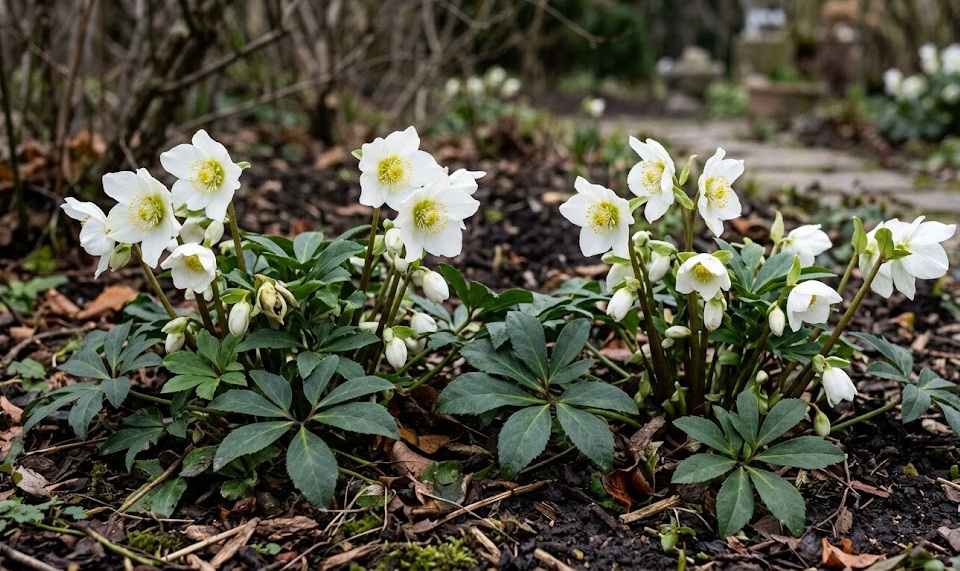

While the Christmas rose is a remarkably tough plant that laughs in the face of winter frost, it is not entirely immune to the challenges of the natural world. Maintaining a healthy garden requires a vigilant eye and a professional understanding of the common ailments that can affect these beautiful perennials. By identifying problems early and using integrated management techniques, you can keep your plants looking their best without resorting to heavy chemical interventions. This article will guide you through the identification and treatment of the most common pests and diseases that you might encounter.
Prevention is always the first line of defense when it comes to plant health, and for hellebores, this means providing the right growing conditions. A plant that is stressed by drought, poor drainage, or a lack of nutrients is far more susceptible to attack than a vigorous, well-cared-for specimen. Ensuring adequate air circulation by not overcrowding your plants is one of the simplest ways to prevent the spread of fungal spores. Keeping the area around the base of the plants clear of old, rotting debris will also remove hiding places for many common garden pests.
Identifying and managing fungal issues
The most common fungal disease affecting this species is known as hellebore black spot, which presents as dark, circular lesions on the leaves and stems. These spots can eventually merge, causing entire leaves to turn yellow and die prematurely. This fungus thrives in damp, stagnant conditions, making it especially prevalent during wet springs and autumns. If you spot these marks, the first step is to remove and destroy all affected foliage to prevent the spores from spreading to the rest of the plant.
Another concern is botrytis, also known as grey mold, which can attack the flowers and stems during periods of high humidity. It often looks like a fuzzy, grey coating that causes the delicate blossoms to rot and turn brown before they have a chance to fully open. To manage this, you should avoid overhead watering and ensure that your plants have plenty of space for air to move through the foliage. Removing the previous year’s leaves in early winter before the flowers emerge is a professional standard for preventing this specific issue.
Root rot and crown rot are more serious fungal problems that are usually caused by poorly drained soil or planting the crown too deeply. If a plant suddenly wilts even when the soil is moist, or if the base of the stems feels mushy and smells bad, you are likely dealing with rot. Unfortunately, once these issues are well-established, it is often difficult to save the plant, and the best course of action is to remove it and improve the soil drainage before replanting. Prevention through proper soil preparation is truly the only effective cure for these subterranean fungal attacks.
More articles on this topic
Using organic fungicidal sprays, such as those based on copper or sulfur, can be helpful in severe cases, but they should be used as a last resort. These treatments are most effective when applied as a preventive measure in the early spring just as new growth begins. However, the most successful gardeners find that cultural controls—like proper spacing and sanitation—are usually enough to keep fungal issues at a manageable level. Always clean your pruning tools with alcohol after working on a diseased plant to avoid carrying the infection to healthy specimens.
Protecting your plants from viral threats
Hellebore net necrosis virus, often referred to as “black death,” is perhaps the most frightening ailment for any enthusiast. This virus causes distinct black streaks on the leaves, stunted growth, and distorted flowers that never quite look right. Unlike fungal diseases, there is no cure for a virus, and it can be quickly spread from plant to plant by aphids or through contaminated garden tools. If you suspect a plant has “black death,” it must be removed and destroyed immediately to protect the rest of your collection.
The primary goal with viral issues is to manage the vectors that carry them, which in most cases means keeping aphid populations under control. These tiny insects feed on the sap of the plant and move the virus from an infected individual to a healthy one as they travel through the garden. Regularly inspecting the undersides of leaves and the centers of the flowers will help you catch aphid infestations before they become a major problem. A strong blast of water from a hose is often enough to dislodge these pests without harming the plant.
Maintaining a diverse garden ecosystem is another professional way to combat viral threats indirectly. By encouraging natural predators like ladybugs, hoverflies, and lacewings, you can keep the aphid population in check without using harmful pesticides. These beneficial insects are your best allies in the fight against many garden pests. Planting a variety of nectar-rich flowers nearby will ensure that these “good bugs” stay in your garden year-round, providing constant protection for your winter roses.
More articles on this topic
It is also vital to source your plants from reputable nurseries that practice strict disease control measures. A virus can easily be brought into your garden on a single infected specimen, so always inspect new additions carefully before planting them. Look for vigorous growth, clean leaves, and a healthy overall appearance. If you are ever unsure about the health of a new plant, consider keeping it in a pot in a separate area for a few weeks to monitor its progress before introducing it to your main garden beds.
Managing common pests like aphids and slugs
Aphids are probably the most frequent visitors to the black hellebore, drawn to the tender new growth and the succulent flower stems. While they don’t usually kill the plant outright, they can weaken it over time and, as mentioned, act as carriers for dangerous viruses. You will often see them clustered around the base of the flower buds or on the undersides of the leaves. Beyond using water to wash them off, you can also use an organic insecticidal soap for more persistent infestations.
Slugs and snails are another major concern, especially in the damp, shaded environments that hellebores love. They find the emerging flower buds and young seedlings particularly delicious, often leaving behind unsightly holes or even shearing off entire stems overnight. To manage these mollusks, you can use physical barriers like copper tape around pots or crushed eggshells around the base of the plants. Regularly heading out into the garden at night with a flashlight to hand-pick these pests is an incredibly effective, if slightly tedious, professional method.
In addition to physical barriers, encouraging hedgehogs, frogs, and birds to visit your garden can provide natural slug control. Creating small “wild areas” with log piles or a small pond will make your outdoor space much more attractive to these natural predators. Avoiding the use of toxic slug pellets is important, as these can harm the very animals that are trying to help you manage the pest problem. If you must use a commercial product, look for those based on iron phosphate, which is much safer for the environment.
Leaf miners are occasionally seen on hellebores, creating tiny, winding tunnels inside the leaf tissue as the larvae feed. While the damage is usually mostly cosmetic, a severe infestation can reduce the plant’s ability to photosynthesize. The easiest way to deal with leaf miners is to simply pinch off and destroy any affected leaves as soon as you see the tell-tale white lines. Since the larvae are protected inside the leaf, contact sprays are rarely effective, making hand-removal the best professional choice.
Implementing integrated pest management
Integrated Pest Management, or IPM, is a holistic approach that combines multiple strategies to keep your garden healthy and balanced. It starts with the understanding that a few pests are a normal part of a living ecosystem and don’t always require immediate action. Instead of reaching for a chemical spray at the first sign of a bug, a professional gardener will first assess the level of damage and look for natural solutions. This approach saves time and money while protecting the biodiversity of your backyard.
Sanitation is a huge part of IPM and involves keeping the garden tidy to remove breeding grounds for pests and diseases. For hellebores, this specifically means cutting back the old, leathery leaves in late winter before the new flowers and foliage emerge. This simple act removes the primary source of black spot spores and clears away the hiding places for overwintering insects. It also makes the plant look much better, allowing the pristine white blossoms to take center stage without being obscured by tattered old leaves.
Monitoring your plants regularly is the only way to make IPM work effectively. A weekly inspection of your hellebore clumps will allow you to catch an aphid colony or a fungal spot before it spreads to the entire bed. By taking small, targeted actions early on, you prevent the need for drastic measures later. This proactive mindset is what distinguishes an experienced horticulturalist from someone who just reacts to problems as they arise.
Education is the final piece of the puzzle, as knowing exactly what you are looking at is key to making the right decisions. Taking the time to learn the difference between a harmless hoverfly and a destructive aphid will prevent you from accidentally killing your garden’s best friends. There are many wonderful books and online resources specifically dedicated to plant health and pest identification. The more you know about the secret lives of the creatures in your garden, the better equipped you will be to protect your black hellebores.
Ensuring long-term resilience through preventive care
Building a resilient garden is a long-term project that rewards patience and consistency. By focusing on soil health and proper planting techniques, you are giving your hellebores the best possible foundation to resist any challenges that come their way. A strong plant with a deep root system is much better able to “outgrow” minor pest damage or recover from a brief fungal infection. This internal strength is far more valuable than any product you can buy in a bottle.
Diversifying your planting is another great way to prevent massive outbreaks of pests or diseases. If you have all your hellebores clustered in one single spot, an infection can sweep through the entire group very quickly. By interspersing them with other species, you create “firebreaks” that slow down the spread of problems and support a wider range of beneficial insects. This ecological approach to design creates a more beautiful and stable garden environment for everyone to enjoy.
Remember that a garden is a living, breathing entity that is constantly changing and evolving. Some years will be harder than others due to weather patterns that favor certain pests or diseases. Don’t be discouraged by a few setbacks; they are simply opportunities to learn more about your plants and how they interact with their environment. The most successful gardeners are those who remain curious and adaptable in the face of nature’s challenges.
In conclusion, while the black hellebore does have its share of potential problems, most are easily managed with a bit of professional knowledge and regular attention. By following these guidelines for identification, prevention, and treatment, you can ensure that your winter garden remains a healthy and vibrant sanctuary. These beautiful plants will continue to reward your efforts with their stunning white blossoms, providing a beacon of life in the darkest months of the year. Your dedication to their health is the key to a truly successful and professional landscape.