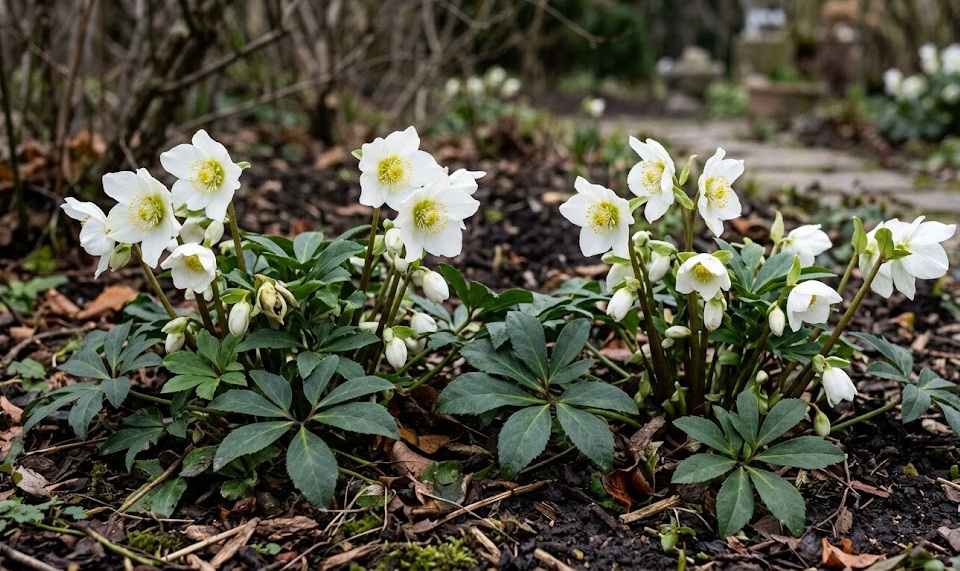

Finding the right balance for your Christmas rose requires a subtle understanding of its unique lifecycle and environmental preferences. Unlike many other perennials that retreat during the colder months, this plant chooses the dead of winter to showcase its pristine white blossoms. Achieving success starts with recognizing that while it is incredibly hardy, it demands a specific level of consistency in its daily management. By mimicking its native alpine habitat, you can ensure that your garden remains vibrant even when most other plants are dormant.
Maintaining a stable environment is the cornerstone of effective care for these winter-blooming beauties. They prefer to stay in one place for many years, as their root systems do not respond well to frequent relocation or disturbance. You should keep a close eye on the soil moisture levels, ensuring they never fully dry out but also never sit in stagnant water. Providing a layer of leaf mold or well-rotted compost each spring will go a long way in sustaining their health throughout the year.
Optimal soil conditions for long-term health
The foundation of any healthy plant is the medium in which it grows, and for this species, a heavy, alkaline soil is usually the best choice. It thrives in ground that is rich in organic matter, which helps to retain moisture while still allowing for adequate drainage. If your garden has naturally acidic soil, you might find it beneficial to add a bit of lime to bring the pH level closer to neutral or slightly alkaline. A deep, loamy texture allows the roots to penetrate far enough into the ground to survive both summer heat and winter frosts.
Preparing the ground before the plant even arrives is a step that many gardeners unfortunately overlook. You should dig a hole that is significantly wider than the root ball to allow for the incorporation of aged manure or organic compost. This creates a nutrient-rich reservoir that the plant can tap into as it establishes itself in its new home. Ensure that the soil is friable and not compacted, as oxygen flow to the roots is just as important as water and nutrients.
Ongoing soil maintenance involves more than just the initial preparation of the planting hole. Every year, the natural decomposition of organic matter will deplete the soil’s structure, necessitating a top-dressing of fresh mulch. This mulch should ideally consist of shredded leaves or bark, which will break down slowly and provide a steady supply of nutrients. Avoid using peat-based products, as they can sometimes lower the pH too much for this specific plant’s liking.
More articles on this topic
In areas where the soil is naturally sandy and drains too quickly, you will need to be more proactive in your care routine. Adding clay-based amendments or significantly more organic matter can help stabilize the environment for the roots. You might also consider using a slow-release organic fertilizer in the early spring to compensate for any nutrients that might leach away during heavy rains. Always remember that a healthy soil biome leads to a more resilient plant that can better withstand environmental stresses.
Seasonal management across the year
As the seasons transition from the heat of summer to the chill of autumn, the needs of your plants will shift significantly. During the height of summer, the primary goal is to prevent heat stress and dehydration, which can cause the leaves to wilt and turn brown. Providing a bit of extra shade during the hottest part of the day can be a lifesaver for these alpine natives. Once the temperatures begin to drop in the autumn, the plant starts its most active growth phase in preparation for winter flowering.
Winter is when the black hellebore truly takes center stage, and your care routine should reflect this shift. You should regularly clear away any fallen leaves from other trees that might be smothering the plant’s crown. This ensures that the emerging flower buds have plenty of space and light to develop properly without being hindered by rotting debris. If a particularly heavy snowfall occurs, gently brush it off the foliage to prevent the stems from snapping under the weight.
When spring arrives and the flowers finally begin to fade, it is time to focus on the development of new foliage. This is the best period to remove any old, tattered leaves that might have been damaged by the winter elements. Cutting back the previous year’s growth not only makes the plant look tidier but also helps to prevent the spread of fungal diseases. New leaves will quickly emerge, providing a lush green backdrop for the rest of your spring garden.
More articles on this topic
The dormant period in late spring and early summer is often a time when gardeners forget about their winter stars. However, this is when the plant is quietly building energy in its rhizomes for the next spectacular display. You should continue to monitor the area for weeds that might compete for moisture and nutrients during these months. Even if the plant isn’t doing much visibly, maintaining a clean and hydrated environment is essential for its long-term vitality.
Selecting companion plants for aesthetic appeal
Choosing the right neighbors for your winter roses can transform a simple garden bed into a professional-looking landscape. Since these plants enjoy semi-shaded areas, they pair exceptionally well with other woodland species that share similar requirements. Ferns, for instance, provide a wonderful contrast in texture with their delicate fronds against the leathery leaves of the hellebore. Early spring bulbs like snowdrops and winter aconites can also be tucked in around them to create a multi-layered floral display.
Hostas are another excellent companion, as their broad leaves fill in the gaps during the summer months when the hellebores are less prominent. Since hostas emerge later in the spring, they don’t compete with the winter blooms but provide a lush green canopy just when it is needed. Epimediums and wild ginger also make fantastic groundcovers that thrive in the same cool, moist conditions. These combinations ensure that the garden bed remains attractive throughout every month of the year.
When planning your layout, consider the height and spread of each companion to avoid overcrowding the hellebores. You want to create a sense of harmony where each plant has enough space to breathe and display its natural form. Using plants with variegated foliage can help to brighten up the darker corners of a shaded garden. Heucheras, with their wide range of leaf colors, can provide a stunning backdrop that makes the white flowers of the black hellebore really pop.
The overall goal of companion planting is to mimic the diversity found in natural forest floors. By layering different heights and textures, you create a more resilient ecosystem that can better manage moisture and soil health. Tall shrubs like witch hazel or daphne can provide the necessary dappled shade while also adding their own winter fragrance to the air. This holistic approach to gardening results in a space that feels lived-in and naturally curated by a human hand.
Longevity and sustainable garden practices
A well-cared-for black hellebore can live for several decades, making it a true investment in your garden’s future. To ensure this longevity, you must avoid the temptation to constantly move the plant to new locations. Each time you dig it up, you risk damaging the sensitive roots and setting back its growth by a year or more. Instead, focus on perfecting the environment in its permanent spot right from the beginning.
Sustainable gardening practices, such as composting on-site and using organic fertilizers, are highly beneficial for these plants. By returning organic matter to the soil, you are feeding the earthworms and beneficial microbes that keep the soil healthy. This natural cycle reduces the need for chemical interventions and creates a more robust plant. You should also practice water conservation by using mulches to keep the ground cool and moist for longer periods.
Monitoring your plants regularly allows you to catch any potential issues before they become major problems. A quick walk through the garden once a week is often enough to spot a stray pest or the first signs of a nutrient deficiency. Taking a proactive rather than a reactive approach is much easier on both the gardener and the plant. This attentive care fosters a deep connection between the person and the living landscape they are cultivating.
As the years go by, you will notice that your plants become more established and produce even more flowers each season. They truly reward patience and consistency more than any other quality a gardener might possess. Sharing divisions with friends and neighbors once the plant is large enough is a wonderful way to pass on the joy of gardening. By following these simple but professional steps, you ensure that your green space remains a sanctuary for years to come.
Avoiding common mistakes in daily care
One of the most frequent errors made by beginners is planting the crown of the hellebore too deeply in the soil. If the center of the plant is buried, it can lead to rot and a significant decrease in flower production. Always aim to have the crown sitting just at the surface of the soil level, much like you would with a strawberry plant. This allows for better air circulation and prevents moisture from being trapped against the main stem.
Another common pitfall is over-fertilizing with high-nitrogen products, which can lead to lush leaf growth but very few flowers. The black hellebore is a slow-growing plant that prefers a steady, modest supply of nutrients rather than a sudden surge. Using a balanced organic feed once a year is usually more than enough to satisfy its requirements. Excessive chemicals can also harm the beneficial fungi in the soil that the plant relies on for nutrient uptake.
Neglecting to water during dry spells in late summer is another mistake that can have delayed consequences. While the plant might look hardy, drought stress in August can lead to poor bud development for the coming winter. Even if the foliage looks okay, the internal processes of the plant may be suffering. Make it a habit to check the soil moisture deeply, rather than just looking at the surface, during those hot and dry weeks.
Finally, some gardeners are too aggressive when it comes to cleaning up the foliage in the autumn. While removing dead leaves is good, cutting off healthy green leaves too early can deprive the plant of the energy it needs for flowering. Wait until the new flower stalks are visible before you start removing the old leaves from the previous year. This timing ensures the plant has maximum energy reserves to put into its winter display.
Diverse varieties for the enthusiast
While the standard white-flowered variety is the most common, there are several interesting cultivars available for those who want more variety. Some selections have been bred for larger flowers, while others feature unique speckling or tinges of pink as the blooms age. Exploring these different options can add a new dimension to your winter garden collection. Always look for plants that have been propagated through division or tissue culture to ensure they remain true to the parent variety.
The ‘Praecox’ variety is particularly popular because it often begins blooming much earlier than the standard species. In some regions, it can even start showing its white stars as early as November, providing a very early start to the winter season. Other cultivars might have slightly different leaf shapes or a more compact growth habit, making them suitable for smaller garden spaces. It is always worth checking with local specialty nurseries for the most reliable performers in your specific climate.
When selecting a new variety, pay close attention to the descriptions of its stem strength and flower orientation. Some hellebores have a tendency to nod their heads toward the ground, which can make it harder to see the beautiful centers of the flowers. Modern breeding has produced several upright varieties that hold their blossoms high above the foliage. These are often preferred for visual impact when viewed from a distance or from a window.
Regardless of the variety you choose, the basic care requirements remain largely the same. This consistency makes it easy to grow a diverse collection of winter roses without having to learn a dozen different sets of rules. Mixing and matching different cultivars can create a long-blooming season that lasts from late autumn all the way into the first hints of spring. It is this versatility and resilience that makes the plant such a favorite among professional horticulturalists and home gardeners alike.