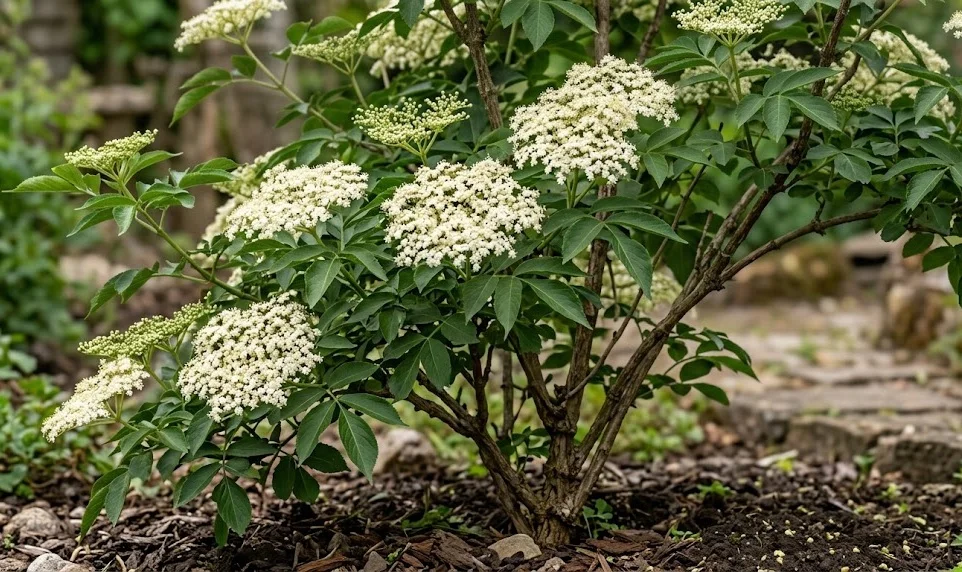

Preparing your black elderberry for the harsh conditions of winter is a critical task that ensures the survival and productivity of the plant for the following season. While the black elderberry is known for its impressive cold hardiness, young or recently transplanted shrubs still benefit from extra protection against extreme temperature fluctuations. You should begin your winter preparations long before the first hard freeze arrives to allow the plant to enter its dormant state naturally and safely. A well-prepared elderberry will wake up in the spring with more vigor and a much better chance of producing a heavy crop of fruit.
The process of “hardening off” is a physiological change where the plant stops active growth and prepares its tissues for the freezing temperatures that are coming soon. You can help this process along by stopping all fertilization and reducing the amount of water you provide as the days begin to shorten in late summer. This signals to the shrub that it is time to move its energy stores down into the roots and the thickest parts of its woody stems for safe keeping. Respecting this natural cycle is the most important thing you can do to prevent winter injury to the tender new growth of your plants.
Mulching for the winter provides a vital layer of insulation for the root system, which is the most sensitive part of the elderberry during the coldest months of the year. Apply a fresh layer of organic material, such as wood chips, straw, or shredded leaves, to a depth of at least ten to fifteen centimeters around the base of the plant. This mulch helps to stabilize the soil temperature and prevents the ground from repeatedly freezing and thawing, which can push the roots out of the earth. By keeping the roots dormant and protected, you ensure that the plant remains healthy and ready to grow as soon as the spring warmth returns.
Hydration before the ground freezes is a step that many gardeners overlook, but it is essential for preventing the winter desiccation of the woody branches and buds. If the autumn has been particularly dry, you should give your elderberries several deep soakings before the first significant freeze of the year arrives in your area. Moist soil stays warmer than dry soil and provides the plant with the internal hydration it needs to survive the drying effects of cold winter winds. A well-watered plant is much less likely to suffer from “dieback” or the death of the smaller twigs and branches during a long and difficult winter season.
Late autumn preparation and cleaning
Cleaning up the area around your elderberry bushes in late autumn is a professional practice that reduces the risk of pests and diseases the following year. You should remove any remaining clusters of dried fruit, as these can harbor fungal spores and provide a winter home for harmful insects like the spotted wing drosophila. Rake away any fallen leaves that show signs of disease and either burn them or dispose of them far away from your garden beds. Starting the winter with a clean slate prevents many problems from waking up alongside your plants when the spring sunshine finally returns.
More articles on this topic
Inspect the structural integrity of your shrubs and remove any broken or crossing branches that could be damaged further by the weight of heavy snow or ice. While major pruning should wait until late winter, these minor structural corrections prevent mechanical injury during winter storms that could lead to infection sites in the spring. You want the plant to have a balanced and sturdy silhouette that can easily shed the snow and withstand the pressure of strong winter gusts. A quick walk through your orchard with a pair of sharp shears in November can save you a lot of trouble and heartbreak later in the season.
Protecting the base of your young elderberries from hungry rodents is a vital part of winter care in areas where rabbits or voles are common residents. These animals often chew on the bark of woody shrubs during the winter when other food sources become scarce and difficult for them to find under the snow. You can wrap the lower part of the trunk with a simple wire mesh or a plastic tree guard to create a physical barrier that prevents these animals from girdling your plants. This simple and inexpensive precaution can be the difference between a thriving shrub and a dead one by the time the spring thaw finally arrives.
Marking the location of your smaller or recently planted elderberries with tall stakes can prevent accidental damage during snow removal or winter maintenance tasks. If you use a snowblower or a plow near your garden, it is very easy to lose track of where your dormant shrubs are located beneath a deep blanket of white snow. Stakes help you and others visualize the boundaries of your planting beds and keep the heavy equipment safely away from the sensitive branches and roots. Taking a few minutes to flag your plants today will provide peace of mind throughout the long and unpredictable months of the winter season.
Mulching and root protection strategies
The type of mulch you choose for the winter can have a significant impact on the health of the soil and the protection of your black elderberry’s root system. Straw is an excellent insulator because it traps air within its hollow stems, creating a warm blanket for the ground beneath it during the cold nights. Wood chips are more durable and provide a heavier layer that stays in place even in very windy locations where lighter materials might blow away. Experiment with what is locally available to you and find the material that offers the best balance of insulation and ease of use for your specific garden site.
More articles on this topic
When applying winter mulch, it is important to pull the material a few centimeters away from the actual stem of the shrub to ensure that the bark can breathe. If the mulch is piled directly against the wood, it can create a moist environment that encourages rot and provides a perfect hiding spot for small chewing rodents. Think of the mulch as a donut shape around the plant, with the thickest protection over the root zone and a clear space in the center. This professional application technique maximizes the benefits of the mulch while minimizing the potential risks to the health of the elderberry’s main trunk.
In very cold climates, you might consider an even wider mulch circle that extends well beyond the drip line of the shrub’s outer branches to protect the entire root footprint. The roots of an established elderberry can spread quite far, and protecting as many of them as possible will result in a much stronger growth spurt in the following spring. This extra layer of organic matter will also break down over the winter, providing a fresh boost of nutrients just as the plant begins to wake up. Winter mulching is not just about protection; it is a long-term investment in the fertility and structure of your garden soil.
Monitoring the mulch layer throughout the winter is a good habit, especially after heavy rains or periods of strong wind that can displace the protective material. You might need to add a bit more straw or wood chips in February to maintain the necessary depth of insulation until the danger of hard frost has passed. If you notice any signs of animal tunnels or nesting in the mulch, you should take steps to discourage these visitors before they cause damage to the plant. A proactive approach to mulch maintenance ensures that your elderberries remain safe and cozy until the very last day of the cold winter season.
Trunk protection for young plants
Young black elderberries have relatively thin and sensitive bark that is much more susceptible to the effects of “sunscald” during the bright but cold days of winter. Sunscald occurs when the dark bark absorbs the heat of the afternoon sun, causing the cells to wake up, only to be killed when the temperature drops rapidly at night. You can prevent this by using a white tree wrap or even a light-colored spiral guard that reflects the sun’s rays and keeps the trunk at a more stable temperature. This protection is especially important for plants located on the south or southwest side of buildings or fences where the winter sun is most intense.
Providing a windbreak for your elderberries can significantly reduce the amount of physical stress and moisture loss they experience during the long winter months. In very exposed locations, you can create a simple temporary screen using burlap and wooden stakes to block the prevailing winter winds from hitting the plants directly. This screen should be placed on the windward side of the shrubs and be tall enough to protect the majority of the dormant branches from the drying effects of the gusts. A little bit of shelter goes a long way in preserving the health of the delicate flower buds that are already formed and waiting for the spring.
If you live in an area with extremely heavy snowfall, you might need to gently knock the snow off the branches of your elderberries to prevent them from bending or breaking. Use a soft broom or your gloved hand to brush the snow away, always moving in an upward motion to avoid putting even more downward pressure on the wood. It is better to do this while the snow is still light and fluffy before it has a chance to freeze into a heavy and destructive layer of ice. Keeping the weight off the branches preserves the natural shape of the shrub and prevents the loss of valuable fruiting wood for the coming year.
During the late winter, as the days begin to lengthen, you should keep an eye on the temperature and resist the urge to remove the winter protection too early. Late-season cold snaps can be particularly damaging to plants that have already begun to sense the coming of spring and are starting to lose their winter dormancy. Wait until you are confident that the most severe weather has passed and the ground has begun to thaw permanently before you pull back the mulch and remove the tree wraps. Patience during this transition period is the final key to a successful overwintering strategy for your beautiful black elderberry garden.
Early spring awakening and recovery
As the first signs of spring appear, you should gradually pull the thick winter mulch away from the center of the plant to allow the soil to warm up more quickly. This encourages the roots to wake up and begin the process of taking up the water and nutrients needed for the new year’s growth. You can leave the mulch in the pathways and between the plants to continue suppressing weeds and maintaining moisture as the season progresses into the summer. This transition from winter protection to spring growth is an exciting time for every gardener as the elderberries begin to show their first green tips.
The first task of the new season is to perform a thorough inspection and remove any wood that was damaged or killed by the winter weather. Use a sharp, clean pair of pruners to cut back to healthy, green tissue, making sure to follow the professional rules of good pruning technique. Removing this “winter kill” as early as possible prevents the entry of diseases and allows the plant to direct its energy into healthy new shoots. You will be amazed at how quickly the black elderberry can recover from a difficult winter once the warm spring rains and sunshine return to your garden.
Applying a fresh layer of finished compost in the early spring provides the newly awakened elderberry with the energy it needs for its impressive growth spurt. The nutrients from the compost will filter down into the soil just as the roots are becoming most active and hungry for food. You can simply spread the compost over the remaining winter mulch and let the earthworms do the work of incorporating it into the ground for you. This simple feeding routine mimics the natural cycles of the forest and ensures that your plants have everything they need for a record-breaking harvest.
Finally, take a moment to record the successes and challenges of your winter care routine in your garden journal for future reference and improvement. Note down which varieties handled the cold the best and which protection methods seemed to provide the most benefit for your specific site. This knowledge is incredibly valuable as you expand your garden and continue to refine your skills as a master of the black elderberry. Every winter is a learning experience that makes you a more capable and confident gardener, ready to face whatever the next season may bring to your productive agricultural landscape.