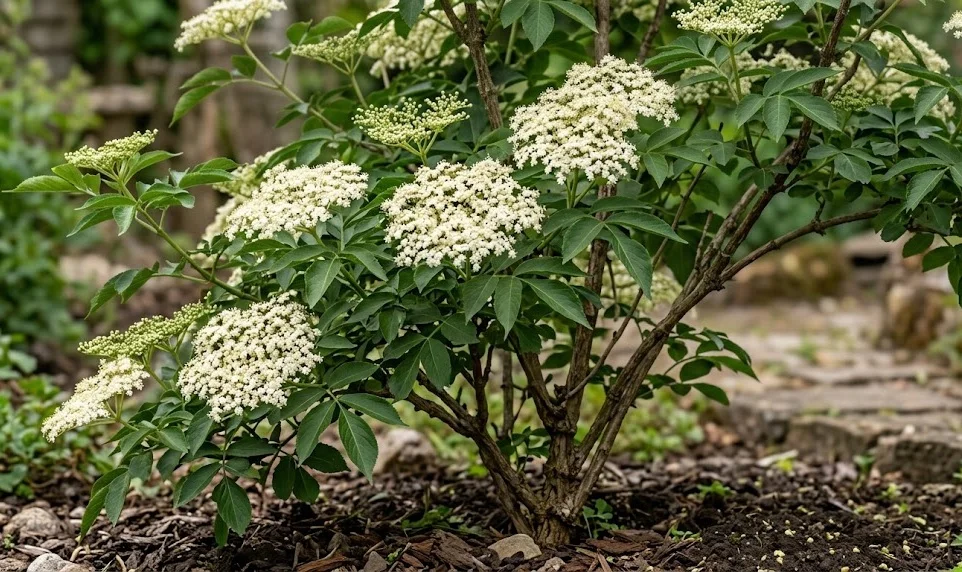

Developing a precise irrigation strategy is essential for anyone who wants to see their black elderberry reach its full potential in the garden. These shrubs have a shallow root system that makes them particularly sensitive to periods of drought and high soil temperatures during the summer. You must ensure that the moisture levels in the ground remain consistent without ever reaching the point of complete saturation or waterlogging. A well-hydrated plant is not only more productive but also much more capable of defending itself against common pests and diseases.
Watering should always be done at the base of the plant to keep the foliage as dry as possible and reduce the risk of fungal infections. Using a soaker hose or a drip irrigation system is the professional way to deliver water directly to the roots where it is needed most. This method also minimizes water waste due to evaporation and ensures that the moisture penetrates deep into the soil profile. Avoiding overhead sprinklers is a simple but effective way to maintain the long-term health of your elderberry’s beautiful and delicate canopy.
The frequency of your watering sessions will depend heavily on your soil type, the local weather conditions, and the age of your plants. Newly planted elderberries might need water every other day, while established shrubs can often go a week or more between deep soakings in moderate weather. You should always check the soil moisture by hand, digging down a few centimeters to see if the earth feels damp or dry to the touch. Let the needs of the plant guide your schedule rather than relying on a rigid and unyielding calendar of tasks.
During the peak of the fruiting season, the demand for water increases significantly as the berries swell and ripen on the branches. If the plant experiences water stress during this time, the fruit may be small, dry, or even drop off the plant before it is fully mature. Providing extra hydration during heatwaves will pay off in the form of a much more bountiful and high-quality harvest of juicy black berries. Your attention to detail in the watering process is the difference between a struggling shrub and a thriving, productive orchard.
Hydration needs and environmental factors
Understanding the microclimate of your garden will help you predict when your black elderberry will need an extra drink of water. Plants located in full sun or in areas with constant wind will naturally lose moisture much faster than those in sheltered or partially shaded spots. You should adjust your irrigation volume to compensate for these environmental stresses and keep the root zone cool. A happy elderberry is one that never feels the panic of a completely dry root system during the hottest parts of the year.
More articles on this topic
Soil texture plays a massive role in how water moves and is stored in the ground around your valuable elderberry shrubs. Sandy soils drain very quickly and will require more frequent, smaller applications of water to keep the plants properly hydrated over time. Conversely, heavy clay soils hold onto water for a long time and can become stagnant if you are not careful with the amount you apply. Knowing your soil’s personality allows you to customize your watering technique to match the physical realities of your specific garden site.
Mulching acts as a natural regulator that helps balance the hydration levels in the soil by slowing down the process of surface evaporation. A thick layer of organic mulch can reduce the amount of water you need to apply by up to fifty percent in some climate zones. It also prevents the surface of the ground from crusting over, which allows rainwater and irrigation to soak in more easily and deeply. By managing the soil surface, you create a more stable and forgiving environment for the shallow roots of the elderberry to thrive in.
Observe the behavior of the leaves as a primary indicator of the plant’s current hydration status and overall physiological health. If the leaves begin to droop or lose their vibrant green color during the afternoon, it is a clear sign that the plant is struggling to keep up with its water needs. While some midday wilting can be normal in extreme heat, persistent wilting into the evening indicates a serious lack of moisture in the root zone. Being an observant gardener allows you to intervene before the stress causes permanent damage to the growth or the fruit.
Irrigation methods and best practices
Drip irrigation is widely considered the gold standard for black elderberry cultivation because it provides such high levels of control and efficiency. By delivering small amounts of water slowly over several hours, you allow the soil to absorb every drop without any runoff or surface erosion. This method also keeps the walkways between your plants dry, which makes maintenance tasks much cleaner and easier for you to perform. Setting your system on a timer can automate much of this work while still allowing for manual adjustments based on the current weather.
More articles on this topic
Soaker hoses are a more affordable but still very effective alternative for home gardeners who want to move away from hand-watering their shrubs. These hoses weep water along their entire length, creating a wide band of moisture that is perfect for the spreading root systems of the elderberry. You should lay the hoses in a spiral pattern around the base of the plant, extending out to the drip line of the outer branches. This ensures that the entire root zone receives an even distribution of water during each and every irrigation cycle.
Hand-watering remains a viable option for those with only a few plants, provided it is done with patience and a focus on deep penetration. Avoid the temptation to just spray the surface of the ground for a few minutes, as this only encourages roots to stay near the surface where they are vulnerable. Instead, use a soft flow of water and give each plant several liters, allowing it to soak in before moving on to the next one in your garden. The goal is to reach the deeper layers of the soil where the moisture will last much longer for the plant to use.
Rainwater harvesting is an environmentally friendly way to supplement your irrigation needs and provide your elderberries with high-quality water. Setting up rain barrels or a larger cistern allows you to collect the runoff from your roof and use it during the drier parts of the summer. Rainwater is naturally soft and free from the chlorine and minerals often found in municipal tap water that can sometimes build up in the soil. Using the resources that nature provides is a smart and sustainable way to manage a productive and beautiful agricultural landscape.
Organic fertilizers and soil amendments
Feeding your black elderberry with organic materials is the best way to ensure long-term health and a steady supply of essential macro and micronutrients. Well-rotted compost is perhaps the most versatile amendment, as it improves soil structure while slowly releasing a wide variety of minerals to the roots. You should spread a layer of compost at least five centimeters thick around each plant every year in the early spring months. This mimics the natural forest floor and provides a constant source of energy for the beneficial microbes that support the shrub.
Manure from herbivorous animals, such as cows, horses, or chickens, can be a powerful fertilizer if it is properly aged or composted before use. Fresh manure is too “hot” and contains high levels of ammonia that can burn the sensitive roots and stems of your elderberry plants. Once it has broken down and smells like rich earth, it becomes an excellent source of nitrogen, which is vital for the production of lush green foliage. Applying aged manure in the fall allows the nutrients to work their way into the soil profile just in time for the spring growth spurt.
Bone meal and kelp meal are specialized organic additives that can help address specific nutritional needs of the elderberry at different stages of its life. Bone meal is rich in phosphorus, which is essential for strong root development and the production of a massive amount of flowers and fruit. Kelp meal provides a vast array of trace minerals and plant hormones that can help the shrub better handle the stresses of heat, cold, and drought. Using a variety of organic sources ensures a balanced diet that supports every aspect of the plant’s complex biological functions.
Liquid organic fertilizers, such as compost tea or seaweed extract, can provide a quick boost of nutrients during periods of rapid growth or fruit development. These “foliar feeds” or soil drenches are easily absorbed by the plant and can help correct minor deficiencies almost immediately after they are applied to the garden. You can apply these liquids every few weeks during the early summer to keep the energy levels high as the berries begin to form on the branches. This supplemental feeding strategy is a professional secret for achieving record-breaking yields and exceptionally healthy plants.
Mineral supplements and nutrient balance
Nitrogen is the primary driver of vegetative growth, but you must be careful not to over-apply it, as too much can lead to excessive leaves and very little fruit. An over-fertilized elderberry might look beautiful and green, but it will often produce fewer berries and have weaker branches that are prone to breaking. The key is to provide just enough nitrogen to maintain a healthy canopy without triggering an uncontrolled explosion of soft and watery growth. Observing the length of the new shoots each year will tell you if your nitrogen levels are in the right range for your plants.
Potassium is critical for the overall health of the plant and plays a major role in the development of the sugar content and flavor of the berries. A deficiency in potassium can lead to weak stems, small fruit, and a plant that is more susceptible to damage from freezing temperatures in the winter. You can add potassium to your soil using organic sources like wood ashes or greensand, which release the mineral slowly over several months of time. Ensuring a steady supply of potassium is the best way to guarantee that your harvest is as delicious and nutritious as possible.
Secondary minerals like calcium and magnesium are often overlooked but are essential for the structural integrity of the plant’s cell walls and the process of photosynthesis. If your soil is too acidic, you might find that these minerals are less available to the plant, leading to stunted growth and yellowing between the leaf veins. Adding dolomitic lime can help raise the Ph and provide both calcium and magnesium at the same time to your garden soil. Keeping these minor elements in balance is what separates the expert grower from the casual hobbyist in the world of agriculture.
Micronutrients such as iron, zinc, and manganese are only needed in tiny amounts, yet their absence can cause significant problems for the health of the black elderberry. Most high-quality organic composts and mulches will provide enough of these trace elements to satisfy the needs of the plants for many years. However, if you notice strange leaf patterns or a general lack of vigor that cannot be explained by water or major nutrients, a detailed soil test might be necessary. Addressing these micro-deficiencies is the final step in creating a truly optimized growing environment for your beautiful elderberry shrubs.
Seasonal feeding schedules
The most important feeding session of the year happens in the early spring, just as the first green tips begin to emerge from the dormant buds. This is when the plant is preparing for its most intensive period of energy expenditure and needs a full cupboard of nutrients to draw from. Apply your main dose of compost and organic fertilizer at this time to fuel the production of new leaves and the upcoming floral displays. A strong start in the spring is the foundation for everything that happens later in the growing season for your plants.
A second, lighter feeding in the early summer can help support the plant as it shifts its energy from leaf production to the development of the fruit clusters. This is a great time to apply some liquid seaweed or a thin layer of worm castings to provide a gentle but effective nutritional boost. Avoid using high-nitrogen fertilizers at this stage, as you want the plant to focus on its berries rather than making even more green branches. Tailoring your fertilizer choice to the plant’s current life stage is a hallmark of professional agricultural management.
In the late summer and early autumn, you should stop all fertilization to allow the plant to begin the natural process of hardening off for the winter. Applying fertilizer too late in the year can stimulate new, tender growth that will be easily killed by the first hard frosts of the season. The goal during this time is to let the elderberry slow down and store its remaining energy in its roots and woody stems for the cold months ahead. Respecting the natural dormancy cycle of the plant is essential for its long-term survival in colder climate zones.
Late fall is a good time for a “dormant feeding” where you apply slow-release amendments like rock phosphate or lime that take months to break down in the soil. These materials will sit in the ground over the winter, gradually becoming available to the plant just as it wakes up the following spring. This practice ensures that the minerals are already in place and ready to go when the roots begin their first growth spurt of the new year. By thinking ahead, you stay one step ahead of the plant’s needs and ensure a continuous cycle of health and productivity.