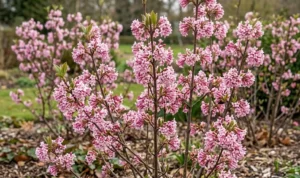
Maintaining the proper balance of hydration and nutrition is the most critical aspect of ongoing plant care for these ornamentals. A professional approach to watering ensures that the roots remain healthy without suffering from the effects of excess moisture. Similarly, a structured fertilization schedule provides the necessary elements for consistent growth and spectacular floral production. Understanding the interaction between water and soil nutrients allows for a more efficient and effective gardening routine.
Establishing a watering schedule
The frequency of irrigation should be dictated by the local weather conditions and the specific type of soil in your garden. During the heat of the summer, these plants may require more frequent attention to prevent the soil from drying out completely. However, it is always better to water deeply and less often rather than providing shallow daily mists. Deep watering encourages the roots to grow further down into the earth, making the plant more drought-tolerant.
Monitoring the moisture levels by feeling the soil a few inches below the surface is the most reliable method. If the top inch of soil feels dry to the touch, it is generally time to provide another round of hydration. Morning is the ideal time to water because it allows the foliage to dry before the cooler evening temperatures arrive. Dry leaves are significantly less likely to develop fungal infections or attract certain moisture-loving pests.
Automatic irrigation systems can be a great convenience, but they must be calibrated correctly to avoid overwatering. Drip lines are particularly effective because they deliver moisture directly to the root zone without wetting the leaves. If using a sprinkler, ensure it is set to run early enough in the day to prevent overnight dampness. Regularly checking the system for leaks or clogged emitters ensures that every plant receives its fair share of water.
Container plants require a much more diligent watering routine because their limited soil volume dries out much faster. In extreme heat, pots may need to be checked twice a day to prevent the plants from wilting beyond recovery. Ensure that all containers have adequate drainage holes to allow excess water to escape freely. Using a high-quality potting mix designed for moisture retention can help bridge the gap between watering sessions.
More articles on this topic
Preventing root rot and drainage issues
The greatest threat to these flowers is often an excess of water rather than a lack of it. Root rot occurs when the soil remains saturated for extended periods, cutting off the oxygen supply to the roots. Symptoms often include yellowing leaves, a soft stem base, and a general decline in the plant’s overall vigor. Once established, this condition can be very difficult to reverse without significant intervention.
To prevent these issues, always ensure that the planting site has excellent natural drainage or has been amended accordingly. If you notice water pooling after a heavy rain, it may be necessary to move the plants to a higher location. Incorporating organic matter can help improve the structure of clay soils, allowing water to move through more efficiently. Never leave decorative pots sitting in saucers full of stagnant water for more than an hour or two.
If a plant shows signs of moisture stress, it is important to diagnose whether it is from too much or too little water. Wilting can occur in both scenarios, which often confuses novice gardeners into adding even more water to a dying plant. Check the soil moisture levels before reaching for the hose to ensure you are solving the correct problem. If the soil is already wet, stop watering immediately and allow the area to dry out completely.
In areas with high rainfall, consider using raised beds to keep the root systems above the saturation zone. This design naturally facilitates gravity-based drainage and keeps the plants’ crowns dry and healthy. You can also mix in extra grit or perlite during the initial planting phase to create more air space within the soil. A proactive approach to moisture management is the best defense against the most common causes of plant failure.
More articles on this topic
Basic nutrient requirements for growth
A successful fertilization program begins with an understanding of the three primary nutrients: nitrogen, phosphorus, and potassium. Nitrogen is responsible for the lush green growth of the foliage and the overall size of the plant. Phosphorus is critical for root development and the initiation of the blooming cycle during the spring and summer. Potassium helps regulate water movement and strengthens the plant’s natural resistance to diseases and environmental stress.
For these specific flowers, a balanced all-purpose fertilizer with an NPK ratio like 10-10-10 is often recommended. This provides a steady supply of all essential elements without favoring one type of growth over another. Slow-release granules are particularly effective because they break down over several months, providing a consistent feed. This reduces the risk of nutrient leaching, especially in sandy soils where water moves quickly through the profile.
Applying the fertilizer correctly is just as important as choosing the right product for your garden. Always follow the manufacturer’s instructions regarding the amount to use for the square footage of your flower beds. Scatter the granules evenly around the base of the plants, being careful not to let them touch the stems directly. Watering the area immediately after application helps dissolve the nutrients and carry them down to the root zone.
Early spring, just as the new growth appears, is the best time to apply the first round of supplemental nutrition. This gives the plants the energy they need to build a strong foundation for the upcoming flowering season. A second application in mid-summer can help maintain the momentum and support the production of later blooms. Consistent feeding throughout the active growing phase results in healthier, more aesthetically pleasing specimens.
Advanced nutrition and micro-elements
Beyond the primary nutrients, plants also require smaller amounts of secondary elements like calcium, magnesium, and sulfur. These minerals are involved in various metabolic processes, including photosynthesis and enzyme activation within the cells. Most high-quality garden soils already contain these elements, but they can become depleted over time in intensive flower beds. Adding a specialized micro-nutrient spray can help correct any subtle deficiencies that might be holding back growth.
Iron is particularly important for maintaining the deep green color of the leaves, especially in alkaline soil conditions. If the soil pH is too high, iron becomes chemically locked away and unavailable to the plant’s roots. This often results in interveinal chlorosis, where the leaves turn pale yellow while the veins stay dark green. Using an acidified fertilizer or applying chelated iron can quickly resolve this common horticultural issue.
Trace elements like zinc, copper, and boron also play tiny but vital roles in the long-term health of your ornamental garden. These are often included in premium liquid fertilizers designed for flowering plants and specialty crops. While they are needed in very small quantities, their absence can lead to distorted growth or poor flower development. A diverse feeding strategy that includes both organic and mineral sources usually covers all the bases.
Using compost and organic mulches is a great way to naturally replenish these trace elements over time. As the organic matter breaks down, it releases a complex cocktail of minerals and beneficial microbes into the soil. This biological activity makes the existing nutrients more available to the plants and improves the overall soil health. A holistic approach to nutrition creates a more resilient garden that requires fewer synthetic chemical inputs.
Seasonal feeding and growth cycles
Adjusting your fertilization strategy according to the natural seasons is a mark of an expert gardener. As the days begin to shorten in late summer, the nutritional needs of the plant change significantly. It is important to stop applying high-nitrogen fertilizers at this time to avoid stimulating soft, vulnerable growth. The plant should be allowed to focus its energy on strengthening its structure and preparing for the winter.
During the peak of the blooming season, a liquid fertilizer high in potassium can be used to enhance the floral display. This “bloom booster” formula provides the extra energy required for the plant to produce larger and more vibrant petals. Apply this every two weeks for a noticeable improvement in the quality and quantity of the flowers. This targeted feeding is especially beneficial for container-grown plants that have limited access to natural soil minerals.
In the autumn, a final light application of a potassium-rich fertilizer can help improve the plant’s winter hardiness. Potassium helps thicken the cell walls, making them less likely to burst during a hard freeze. This simple step can significantly increase the survival rate of short-lived perennials in colder climates. Avoid any fertilizers containing nitrogen during this period, as it will only interfere with the natural dormancy process.
Winter is a time of rest, and no fertilization should be performed while the plants are dormant. The roots are not actively absorbing nutrients, and any added fertilizer will likely just wash away into the groundwater. Use this time to test your soil and plan your nutritional strategy for the upcoming spring season. A well-timed and carefully executed feeding plan is the secret to a professional and flourishing garden.