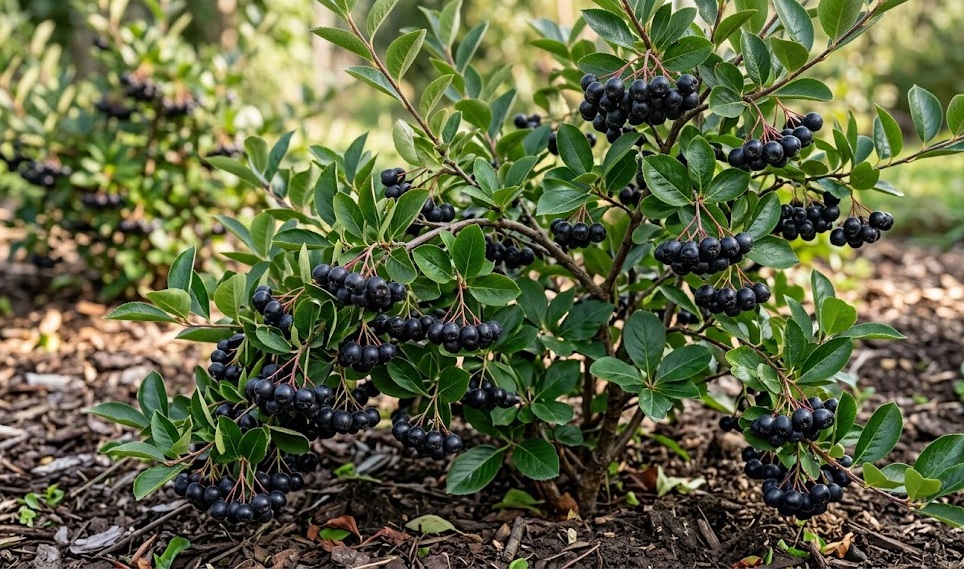

The foundation of a productive berry garden lies in the careful management of hydration and the strategic application of essential nutrients. While many woody shrubs are capable of surviving on natural rainfall alone, the black chokeberry requires consistent attention to reach its full potential. You must balance the needs of the plant throughout the different stages of its annual cycle to ensure both health and high yields. A professional approach to these tasks involves understanding the chemistry of the soil and the physiological demands of the fruit-bearing process.
Watering is not just about keeping the plant alive; it is about providing the medium through which all other life processes occur. You should recognize that the timing and volume of water can influence everything from the size of the berries to the color of the autumn leaves. During periods of drought, the plant’s natural defenses are lowered, making it more susceptible to environmental stress and opportunistic pests. Establishing a reliable irrigation routine is therefore one of the most important investments you can make in your agricultural success.
Fertilization provides the fuel that powers the rapid growth of spring and the intense energy requirements of ripening berries. You should aim for a balanced diet that supports root development, leafy growth, and fruit production without overstimulating the plant. Excessive nitrogen can lead to lush foliage at the expense of berries, which is a common mistake for those new to growing fruit shrubs. By observing the plant’s response to your interventions, you can fine-tune your nutrient program for maximum efficiency and sustainability.
A humanized approach to these technical tasks means staying connected to the rhythm of the seasons and the specific personality of your garden. You should walk your rows regularly, checking the soil moisture with your fingers and looking for the subtle signs of nutrient deficiencies. Professional gardening is a blend of scientific knowledge and intuitive observation that allows you to anticipate the needs of your plants. This dedication to excellence is what ensures a harvest that is both bountiful and of the highest possible quality.
Hydration during establishment
The first year of a shrub’s life in your garden is the most critical period for establishing a deep and resilient root system. You should ensure that the root ball stays consistently moist but never sits in stagnant water that could lead to rot. During the first few weeks after planting, you may need to water every few days if the weather is warm and dry. This initial support allows the plant to focus its energy on underground expansion rather than merely trying to survive the day.
More articles on this topic
Deep watering is far more effective than frequent shallow applications when you are trying to encourage roots to grow downward. You should apply water slowly at the base of the plant so that it has time to soak deep into the earth where the roots are located. Shallow watering encourages the roots to stay near the surface, where they are more vulnerable to heat and sudden dry spells. A well-established, deep root system is the best insurance policy against the unpredictable nature of summer weather.
Monitoring the moisture levels of the soil requires more than just looking at the surface, which can often be deceiving. You should use a simple probe or even a long screwdriver to check how far down the moisture has actually penetrated. If the soil is dry more than an inch below the surface, it is time to provide a thorough soaking to the entire root zone. Developing this habit of checking before you water prevents the waste of resources and protects the health of the soil biology.
Young plants also benefit from being watered early in the morning when evaporation rates are at their lowest point of the day. You should avoid getting water on the leaves during the evening, as this can create a humid environment that encourages fungal growth. Morning watering allows the foliage to dry quickly while ensuring that the roots have a full supply of moisture to face the afternoon sun. This simple timing adjustment can make a noticeable difference in the overall vitality of your developing berry patch.
Summer irrigation strategy
As the temperatures rise and the berries begin to swell, the plant’s demand for water reaches its annual peak. You should increase the frequency of your irrigation to compensate for the higher transpiration rates from the large, green leaves. A lack of water during the fruiting stage often results in small, bitter berries that lack the juice and sweetness you are looking for. Consistency is the key here, as erratic watering can cause the skins of the fruit to crack or drop prematurely.
More articles on this topic
Drip irrigation is one of the most efficient ways to deliver water directly to the root zone while minimizing waste through evaporation. You should consider installing a simple system that can be automated to provide a steady supply of moisture during the hottest months. This technology allows you to maintain a precise environment that favors the health of the shrub over the growth of nearby weeds. Investing in a good irrigation setup pays for itself through increased yields and a reduction in manual labor.
Mulching acts as a vital partner to your irrigation efforts by trapping moisture in the soil and preventing it from being lost to the air. You should maintain a thick layer of organic mulch around your plants to keep the root zone cool and hydrated throughout the summer. This natural barrier also prevents the soil from crusting over, which can make it difficult for water to penetrate during a rainstorm. The combination of targeted watering and effective mulching creates a stable microclimate that the berries will truly appreciate.
Extreme heat events require a flexible approach to your normal watering routine to protect the plants from scorched leaves. You should be prepared to provide an extra deep soak if a prolonged heatwave is predicted for your region. Watching the leaves for signs of drooping in the afternoon will tell you if the plant is struggling to keep up with the environmental demands. A little extra attention during these stressful periods ensures that your crop remains healthy and on track for a successful harvest.
Primary nutrient needs
Understanding what your plants need to grow is the first step toward building a successful and professional fertilization program. You should focus on the three primary macronutrients—nitrogen, phosphorus, and potassium—but also pay attention to essential micronutrients. Nitrogen is responsible for the lush, green growth of the stems and leaves that provides the energy for the entire shrub. Without a healthy canopy, the plant will never have the resources it needs to produce a significant crop of berries.
Phosphorus plays a crucial role in root development and the formation of healthy flowers and fruit later in the season. You should ensure that this nutrient is available in the soil during the early spring when the plant is preparing for its reproductive cycle. Potassium, on the other hand, is essential for the overall structural integrity of the plant and its ability to resist diseases. A deficiency in any of these areas can lead to a visible decline in the health and productivity of your berry bushes.
Micronutrients like iron, magnesium, and manganese are needed in smaller quantities but are just as vital for the plant’s internal chemistry. You should watch for signs of chlorosis, where the leaves turn yellow while the veins remain green, as this often indicates a mineral imbalance. Correcting these minor deficiencies early prevents long-term damage and keeps the plant functioning at its highest level. A healthy plant is much better equipped to handle the stresses of the growing season than one that is struggling for basic minerals.
Soil testing is the only way to know for sure what your land is missing and what it already has in abundance. You should send a sample to a laboratory every few years to get a detailed report on the nutrient levels and the pH of your ground. This scientific data allows you to apply only what is necessary, which saves money and prevents the buildup of excess salts in the soil. Professional growers never guess when it comes to the health of their earth; they rely on hard facts and data.
Fertilizer application techniques
The way you apply nutrients to the soil can be just as important as the type of fertilizer you choose to use. You should always spread the material evenly around the drip line of the plant, which is the area directly beneath the outer edge of the branches. This is where the most active feeder roots are located, waiting to absorb the minerals as they wash into the ground. Avoiding direct contact between the fertilizer and the main stem prevents the risk of chemical burns to the sensitive bark.
Timing your applications to match the plant’s natural growth spurts ensures that the nutrients are used efficiently. You should provide the first dose of the year in early spring as the buds begin to swell and the roots wake up from dormancy. A second, lighter application can be beneficial in early summer to support the developing fruit and the new growth of the branches. Following this seasonal rhythm helps the plant maintain its momentum throughout the entire productive period.
Watering immediately after applying dry fertilizer is a critical step that many gardeners overlook in their hurry to finish. You should ensure that the granules are washed into the top layer of the soil where they can begin to break down and reach the roots. If the fertilizer sits on the surface, it can be lost to the wind or cause damage to any low-hanging foliage. Proper integration of the nutrients into the soil is the final part of a professional and effective application process.
Foliar feeding is a supplementary technique that involves spraying a diluted nutrient solution directly onto the leaves of the plant. You should use this method to provide a quick boost of micronutrients if you notice immediate signs of a deficiency in the canopy. While it is not a replacement for healthy soil, it can be a powerful tool in your management kit for fine-tuning plant health. Always apply these sprays during the cool parts of the day to prevent the sun from scorching the damp leaves.
Post harvest nutrition
Once the berries have been picked, the shrub enters a phase where it must rebuild its internal reserves for the coming winter. You should avoid heavy nitrogen applications late in the season, as this can encourage new growth that won’t have time to harden off before the frost. Instead, focus on providing potassium and phosphorus to strengthen the roots and the overall structure of the plant. This late-season care is an investment in the success of the following year’s crop and the long-term health of the bush.
Adding a layer of compost to the base of the plant in the autumn provides a slow-release source of organic matter and nutrients. You should recognize that healthy soil is a living ecosystem that requires constant feeding with natural materials. This practice not only provides food for the plant but also encourages the growth of beneficial fungi and bacteria in the root zone. As the compost breaks down, it improves the structure of the earth and its ability to hold onto water and minerals.
Reviewing your fertilization and irrigation records at the end of the season helps you identify what worked and what didn’t. You should take note of any areas where the plants seemed to struggle or where the yields were particularly high. This reflection allows you to refine your approach for the next year and continue your growth as an expert berry producer. Every season is a learning opportunity that brings you closer to mastering the art of professional horticulture.
Final thoughts on water and nutrition involve a commitment to observing the natural world and responding with care and precision. You should remember that your role is to support the plant’s natural processes rather than to force them through excessive intervention. By providing a stable foundation of moisture and minerals, you allow the black chokeberry to display its full range of beauty and productivity. This harmonious relationship between the gardener and the garden is the ultimate goal of any agricultural endeavor.