
The black chokeberry is a remarkably resilient shrub that has gained immense popularity among home gardeners and commercial growers alike due to its high nutritional value. This plant does not require constant supervision, yet a consistent maintenance routine ensures the highest yield and healthiest foliage throughout the growing season. Understanding the specific physiological needs of the bush allows you to create an environment where it can truly thrive without excessive chemical interventions. By focusing on the foundational aspects of its lifecycle, you can enjoy a productive harvest for many years to come.
Fundamental care begins with observing the plant’s reaction to its immediate surroundings during the first few weeks of spring. You should look for vigorous bud development and the absence of any lingering winter damage on the tips of the branches. Regular inspections allow you to identify minor issues before they escalate into significant problems that might affect fruit production. A proactive approach to plant health is always more effective than reactive treatments after the plant shows signs of distress.
Maintaining a clean area around the base of the shrub is essential for preventing competition for vital resources like water and minerals. You should ensure that weeds are kept at bay through manual removal or the application of organic mulch layers. Air circulation is another critical factor that gardeners often overlook when they are managing dense shrubbery in a small space. Thinning out any overcrowded branches helps to reduce the humidity levels within the canopy, which naturally discourages the growth of unwanted pathogens.
Consistency is the secret to successful gardening when dealing with hardy species that can sometimes be neglected because of their toughness. While the chokeberry can survive in less than ideal conditions, it will only reach its full genetic potential with balanced care. You should document the growth stages of your plants to better understand when they need the most support from you. Sharing these observations with other enthusiasts can often lead to discovering localized tips that improve the quality of your specific harvest.
Introduction to chokeberry maintenance
Starting a maintenance plan requires a deep understanding of how the plant interacts with the soil and the local climate. You should recognize that every garden has a unique microclimate that influences the speed of growth and the timing of the bloom. Setting realistic goals for your garden helps you stay organized throughout the busy spring and summer months. By establishing a routine, you make the work feel less like a chore and more like a rewarding hobby.
More articles on this topic
The structural integrity of the bush is a primary concern for anyone looking to maintain a long-lived specimen. You should check the main stems for any cracks or signs of weakening, especially after heavy wind or rain events. Supporting the plant during its heavy fruiting stage may be necessary if the branches begin to sag significantly. Using natural supports or gentle ties ensures that the plant remains upright and the fruit stays away from the damp ground.
Soil health is the bedrock of any successful agricultural endeavor, including the cultivation of these berry-producing shrubs. You should periodically test the earth to ensure that the nutrient levels remain within the optimal range for acidic-loving plants. Adding compost or well-rotted manure to the topsoil provides a slow-release source of energy for the roots. This practice not only feeds the plant but also improves the texture and drainage of the ground itself.
Cleanliness in the garden extends to the tools you use for everyday tasks like deadheading or light trimming. You should always disinfect your shears before moving from one plant to another to prevent the spread of invisible spores. High-quality tools make the job easier and result in cleaner cuts that heal much faster than jagged edges. Investing in good equipment is a long-term strategy that pays off in the health and appearance of your entire landscape.
Soil and site considerations
Choosing the right spot for your shrub is the most important decision you will make in the entire care process. You should look for a location that offers a balance of stability and the specific resources the plant craves. While these bushes are adaptable, they prefer a site where the earth remains consistently moist but never waterlogged. Analyzing the drainage patterns of your land during a heavy rain can reveal the perfect spot for planting.
More articles on this topic
The composition of the earth should be slightly acidic to neutral to facilitate the easy uptake of essential micronutrients. You should avoid areas with high limestone content, as this can lead to yellowing leaves and stunted growth over time. Amending the soil with peat moss or sulfur can help lower the pH if your garden is naturally alkaline. Understanding the chemistry of your land is a professional skill that will elevate your success in all areas of horticulture.
Compacted soil is a common enemy of root development and should be addressed before the plant becomes fully established. You should use a garden fork to gently aerate the ground around the drip line of the shrub to allow oxygen to reach the roots. Avoiding heavy foot traffic near the base of the plant protects the delicate root hairs from being crushed or suffocated. Healthy roots are the foundation of a healthy canopy, so prioritizing the underground environment is essential for every grower.
Organic matter plays a dual role by providing nutrients and acting as a sponge for moisture in the top layers of the earth. You should aim to incorporate organic materials that break down slowly over several months rather than weeks. This gradual decomposition mirrors the natural floor of a forest, which is where many of these species originally evolved. By mimicking natural systems, you create a sustainable environment that requires fewer synthetic inputs from your side.
Managing the growth environment
The space between your plants dictates how much light and air each individual shrub receives during the peak of summer. You should follow recommended spacing guidelines to ensure that each bush has enough room to expand without encroaching on its neighbors. Overcrowded gardens often suffer from poor yields because the plants are forced to compete for the same limited sunlight. Giving each plant its own territory allows for symmetrical growth and much easier access during the harvest season.
Wind protection can be a significant factor in preventing mechanical damage to the delicate flowers and developing berries. You should consider planting a windbreak or placing the shrubs near a fence if your area is prone to strong seasonal gusts. While the plants are sturdy, repeated battering by the wind can cause them to drop their fruit prematurely. Creating a sheltered microclimate often results in larger berries and a much more pleasant experience for the gardener.
Temperature fluctuations are a natural part of the growing season, but extreme spikes can still cause stress to the foliage. You should watch for signs of wilting during heatwaves and provide extra shade if the midday sun becomes too intense. Using light-colored mulches can help reflect some of the heat away from the root zone during the hottest months. Monitoring the local weather forecast allows you to prepare for these events and mitigate their impact on your berry crop.
The presence of beneficial insects is a sign of a healthy and well-managed garden environment. You should encourage pollinators like bees and butterflies by planting a variety of flowers nearby that bloom at different times. These insects are vital for the successful fertilization of the chokeberry blossoms, which directly translates to a better yield. Avoiding broad-spectrum insecticides helps protect these tiny helpers and maintains the natural balance of your local ecosystem.
Seasonal maintenance cycles
Spring is the time for awakening and requires a focus on cleaning up the debris left behind by the winter cold. You should remove any dead leaves or fallen twigs that have accumulated around the base of the shrubs. This simple task reduces the hiding places for pests and makes it easier to apply fresh fertilizers. Seeing the first green shoots is always an exciting moment that marks the beginning of a new cycle of growth and care.
Summer shifts the focus toward water management and the protection of the ripening fruit from intense environmental pressures. You should establish a regular schedule that accounts for the lack of rainfall and the high evaporation rates of the season. Keeping the foliage dry while watering the roots helps to prevent many common leaf diseases that thrive in damp conditions. Observing the color change of the berries provides a satisfying visual cue that your hard work is finally paying off.
Autumn is a period of transition where the plant begins to store energy for the coming months of dormancy. You should avoid heavy nitrogen applications during this time as it might encourage new growth that is too soft for the frost. Instead, focus on adding phosphorus and potassium to strengthen the root system and prepare the plant for the cold. The dramatic change in leaf color during the fall makes these shrubs a beautiful addition to any landscape design.
Winter is a time of rest for the plant, but it is also an opportunity for the gardener to plan for the next year. You should take this time to review your garden notes and decide if any changes need to be made to your maintenance routine. Inspecting the dormant structure of the bush allows you to see the branch patterns clearly without the distraction of leaves. Planning ahead ensures that you are ready to start the next season with confidence and a clear strategy.
Monitoring for vitality
A vibrant plant is easy to recognize by its dark green leaves and steady rate of expansion throughout the early summer. You should compare the growth of your shrubs to standard benchmarks for the species to ensure they are on the right track. If the leaves appear pale or the stems are unusually thin, it might be time to investigate the nutrient levels or watering habits. Trusting your intuition as a gardener is often just as important as following a strict set of rules.
Leaf health is one of the most reliable indicators of the overall internal condition of the shrub. You should check both the upper and lower surfaces of the leaves for any unusual spots, discoloration, or signs of chewing. Catching these symptoms early can prevent a small localized issue from spreading across the entire plant or garden. Maintaining a photo log of your plants can help you track subtle changes over time that might otherwise go unnoticed.
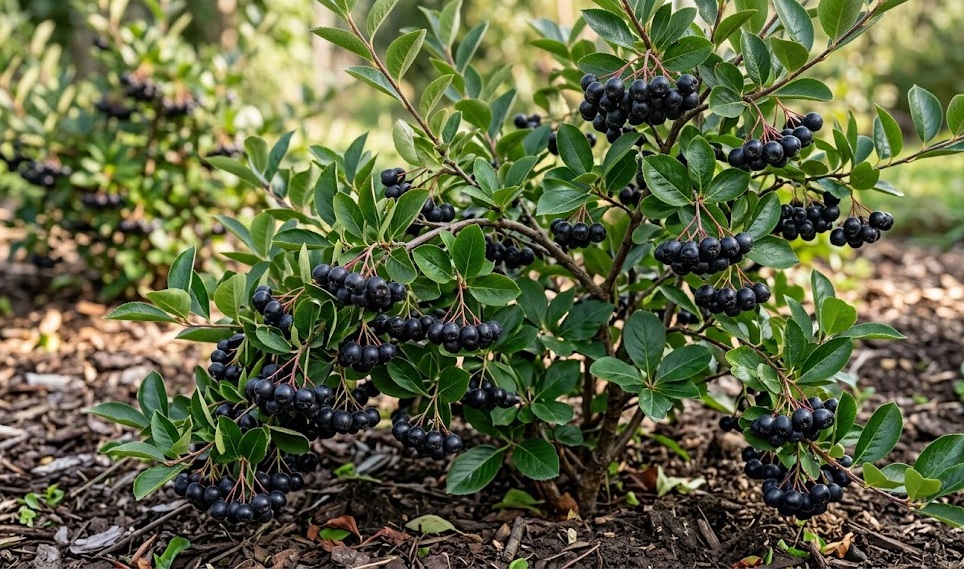
The quality of the fruit is the ultimate measure of your success in caring for these productive berry bushes. You should aim for berries that are uniform in size and possess the characteristic deep purple or black hue when fully ripe. If the fruit is shriveled or falls off before it matures, it usually indicates a stress factor related to water or nutrition. Tasting a few berries throughout the ripening process helps you determine the perfect moment for the final harvest.
Roots are the hidden engine of the plant, and their health is reflected in how well the shrub stands up to environmental stress. You should occasionally check the stability of the plant in the ground to ensure the roots are anchoring it firmly. If a shrub feels loose or begins to lean, it might indicate a problem with root rot or soil erosion. Addressing these structural issues early prevents the loss of the plant during more severe weather conditions later in the year.
Long term shrub health
Sustainability in the garden is about creating a system that can maintain itself with minimal intervention as it matures. You should aim to build up the soil quality over several years so that the plants become more self-sufficient. As the shrubs grow larger, they will naturally shade the ground, which helps to suppress weeds and retain moisture. This transition from a young seedling to an established shrub is a journey that requires patience and a long-term vision.
Rotating your focus between different areas of the garden prevents any single part from being neglected or over-managed. You should develop a multi-year plan that includes rejuvenation tasks every few seasons to keep the plants productive. Older branches eventually become less efficient at producing fruit and should be replaced by younger, more vigorous shoots. This constant cycle of renewal ensures that your berry patch remains a reliable source of food for decades.
Sharing your harvest and your knowledge with the local community is a rewarding part of being an expert gardener. You should keep records of which varieties perform best in your specific soil and share these findings with neighbors. Building a network of local growers helps everyone improve their techniques and fosters a sense of communal achievement. Horticulture is a social activity that connects people to the land and to each other through the shared love of growing.
Final thoughts on care involve recognizing that nature is dynamic and that your approach must be flexible enough to adapt. You should be prepared to change your tactics if the weather patterns shift or if a new challenge emerges in your region. Learning from your mistakes is just as valuable as celebrating your successes in the garden. Staying curious and engaged with your plants will ensure that your gardening journey remains fulfilling and productive for a lifetime.
Harvest preparation
Knowing exactly when to pick the berries is an art form that combines science with sensory experience. You should wait until the fruit has reached its full color and the tannins have softened slightly for the best flavor profile. Picking too early results in overly tart fruit, while waiting too long can lead to loss from birds or natural spoilage. A systematic approach to harvesting ensures that you get the most out of every single branch on your shrubs.
The tools you use for the harvest should be clean and ready for a long day of work in the garden. You should use shallow containers to prevent the weight of the berries from crushing the ones at the bottom of the pile. Having everything organized before you start makes the process much more efficient and reduces the stress on the plants. Gentle handling of the fruit preserves the skin and ensures a longer shelf life for your fresh produce.
Post-harvest care of the shrub is often forgotten but is vital for the success of the following year’s crop. You should provide a deep watering after the harvest to help the plant recover from the energy expenditure of fruiting. This is also a good time to do a final check for any damage that occurred during the picking process. Taking care of the plant after it has given you its fruit is a gesture of respect for the natural cycle.
Storing your bounty correctly is the final step in the seasonal journey of a professional berry grower. You should cool the berries as quickly as possible after they are removed from the sun to maintain their nutritional value. Whether you choose to freeze, dry, or process them into preserves, the quality of the starting material is what matters most. Enjoying the fruits of your labor during the winter months is the ultimate reward for a season of dedicated care.