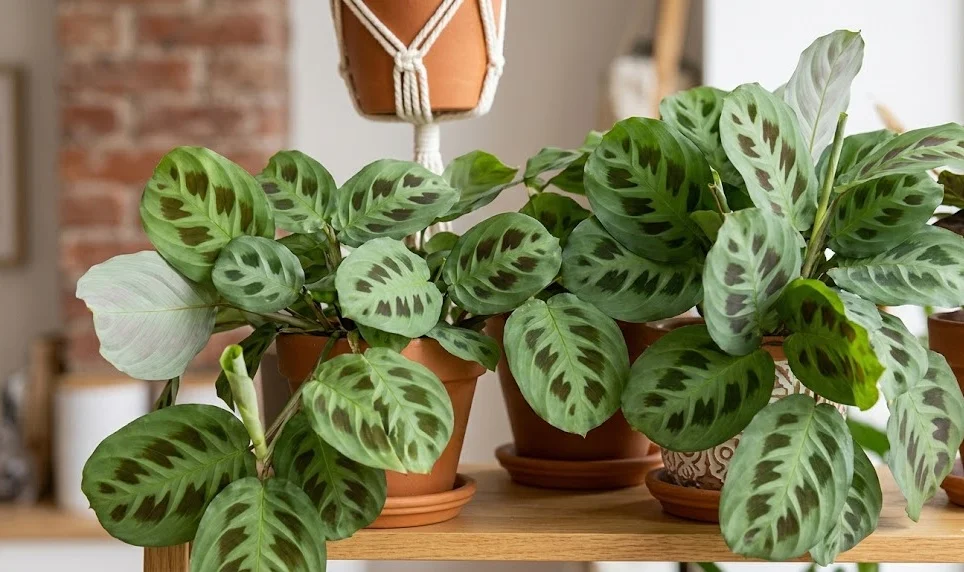

The rabbit’s foot prayer plant is a fascinating indoor species known for its unique foliage patterns and rhythmic movement throughout the day. Providing the right environment is essential for maintaining its vibrant colors and ensuring that the plant thrives in a domestic setting. Gardeners often appreciate how the leaves fold upward at night, resembling hands in prayer, which adds a dynamic element to any collection. Mastering the care of this botanical gem requires a deep understanding of its tropical origins and specific biological needs.
This plant belongs to the Marantaceae family and is native to the tropical rainforests of Brazil. In its natural habitat, it grows along the forest floor where it receives filtered light and high levels of humidity. Recreating these conditions indoors is the primary challenge for any enthusiast looking to cultivate a healthy specimen. By respecting its lineage, you can ensure that the plant remains resilient and visually stunning for many years.
The leaves of this variety are particularly striking with their dark green spots on a lighter green background. These spots often fade or change color if the plant is subjected to stress or improper lighting conditions. Observing the foliage closely allows you to interpret the plant’s health and make necessary adjustments to its routine. A healthy plant will produce new leaves consistently during the growing season while maintaining its characteristic nyctinastic movements.
General maintenance involves more than just periodic watering; it encompasses a holistic approach to the indoor ecosystem. You must consider the interaction between air flow, temperature stability, and the cleanliness of the leaf surfaces. Professional growers emphasize that consistency is the most important factor in long-term success with this species. Establishing a stable routine will prevent the common pitfalls associated with the sudden environmental changes that often stress tropical plants.
Creating the perfect humidity
Since this species originates from the rainforest, it requires a significant amount of moisture in the air to prevent leaf crisping. Standard household humidity levels are often too low, especially during the winter months when heating systems dry out the atmosphere. You should aim for a relative humidity of at least sixty percent to keep the foliage lush and vibrant. Using a dedicated hygrometer can help you monitor these levels accurately within your living space.
More articles on this topic
There are several effective ways to increase the moisture around your plant without saturating the soil excessively. Grouping several plants together creates a localized microclimate where moisture is naturally trapped between the leaves. You can also place the pot on a tray filled with pebbles and water, ensuring the bottom of the pot stays above the water line. This method allows for constant evaporation around the foliage, which mimics the plant’s natural humid environment.
Misting the leaves is a common practice, but it must be done correctly to avoid encouraging fungal growth or spotting. Use lukewarm, distilled water and mist early in the day so the leaves have time to dry before evening. However, misting is only a temporary fix and does not replace the need for a more permanent humidity solution. For many indoor gardeners, a high-quality humidifier is the most reliable way to maintain the necessary atmospheric conditions.
If you notice the edges of the leaves turning brown or becoming brittle, it is a clear sign that the air is too dry. This aesthetic damage is permanent on the existing leaves, so prevention is much better than trying to fix the issue later. High humidity also helps the plant resist certain pests like spider mites, which thrive in dry conditions. By prioritizing the air quality, you are building a strong foundation for the overall health of the plant.
Ideal temperature ranges
Temperature plays a vital role in the metabolic processes of this tropical inhabitant, affecting everything from growth rate to nutrient uptake. The ideal range for active growth is between eighteen and twenty-four degrees Celsius during the day. It is important to avoid extreme fluctuations, as the plant prefers a steady and predictable climate. Keeping the environment within these parameters will help the plant maintain its vigor throughout the year.
More articles on this topic
While it can tolerate slightly cooler temperatures at night, you should never let the room drop below fifteen degrees Celsius. Exposure to cold air can cause the plant to enter a state of shock, leading to wilting or leaf drop. Sudden chills are particularly dangerous during the winter when windows become cold spots in the home. Ensure that the plant is situated away from entryways where cold drafts might penetrate the room.
Heat stress is also a possibility if the plant is placed too close to radiators, fireplaces, or other heat sources. Excessive warmth can lead to rapid transpiration, causing the plant to lose moisture faster than it can be replaced. This often results in drooping leaves and a general loss of turgidity in the stems. Maintaining a safe distance from active heating elements is essential for preventing thermal damage to the delicate foliage.
During the summer months, you should be mindful of air conditioning units that can create localized cold zones. While the overall room temperature might seem fine, the direct blast from a vent can be detrimental. Always place your plant in a spot where the air is moving gently but is not subject to direct mechanical drafts. A stable temperature environment ensures that the plant can focus its energy on producing new, healthy growth.
Selecting the right growing medium
The substrate you choose for this plant must balance moisture retention with excellent drainage to prevent root issues. A heavy, clay-based soil will stay wet for too long, which can lead to the suffocation of the delicate root system. Most professional mixes for this species utilize a base of peat moss or coco coir combined with perlite or vermiculite. This combination ensures that the roots have access to both water and the oxygen they need to function.
Adding organic matter like well-composted bark can further improve the structure and nutrient profile of the soil. The goal is to create a medium that feels spongy and light rather than dense and compact. When you squeeze a handful of moist soil, it should hold its shape momentarily but crumble easily when touched. This physical property allows the roots to expand freely and penetrate the entire volume of the container.
Soil pH is another factor that can influence the health of the plant, with a slightly acidic range being the most beneficial. Aim for a pH level between five point five and six point zero to optimize nutrient availability. If the soil becomes too alkaline, the plant may struggle to absorb essential minerals like iron and manganese. Regular monitoring of the soil quality will help you identify when it is time to refresh the medium.
Over time, the soil structure will naturally break down and become compacted, reducing its ability to drain effectively. This process usually happens over the course of one to two years, depending on the quality of the original mix. You should plan to refresh the substrate periodically to ensure the roots remain healthy and aerated. Choosing a high-quality, professional-grade potting mix from the start will provide the best results for your indoor gardening efforts.
Routine leaf maintenance
The large, flat leaves of this species are prone to collecting dust, which can interfere with the plant’s ability to photosynthesize. Regularly cleaning the foliage is not just an aesthetic choice; it is a vital part of the plant’s physiological health. Dust layers act as a barrier to light and can also clog the stomata, which are the pores used for gas exchange. Keeping the leaves clean ensures that the plant can produce energy efficiently and remain resilient.
To clean the leaves, use a soft, damp cloth and gently wipe both the upper and lower surfaces. Avoid using commercial leaf shine products, as these often contain oils that can block the pores and cause damage. Plain, filtered water is usually sufficient for removing most household dust and debris. If the leaves are particularly dirty, a very mild soap solution can be used, but ensure it is rinsed off thoroughly.
While cleaning, you should also take the opportunity to inspect the plant for any signs of pests or disease. Early detection of issues like spider mites or mealybugs is much easier when you are looking at the leaves closely. Check the undersides and the crevices where the leaves meet the stems, as these are common hiding spots for insects. This proactive approach allows you to address problems before they become widespread and difficult to manage.
Removing dead or dying leaves is another important aspect of maintenance that keeps the plant looking its best. Use sterilized scissors to snip off any yellowed or brown foliage at the base of the stem. This prevents the plant from wasting energy on declining parts and improves the overall air circulation within the canopy. A clean plant is much less likely to harbor pathogens or attract unwanted pests.
Container selection and growth
Choosing the right pot is about more than just aesthetics; it significantly impacts the moisture levels and root health. The container must have adequate drainage holes at the bottom to allow excess water to escape freely. Without these holes, water will pool at the bottom, creating an anaerobic environment that leads to rot. Plastic or glazed ceramic pots are often preferred because they help retain moisture longer than unglazed terra cotta.
The size of the pot should be proportionate to the root system of the plant, rather than the size of the foliage. Moving a small plant into a very large pot can lead to “overpotting,” where the soil stays wet for too long because the roots cannot absorb all the moisture. Generally, you should only increase the pot size by two to three centimeters in diameter when repotting. This gradual increase provides enough space for growth without risking the health of the roots.
Repotting is typically necessary every one to two years, preferably during the spring when the plant is entering its active growth phase. If you see roots growing out of the drainage holes or the plant stops producing new leaves, it may be root-bound. During the repotting process, handle the root ball carefully to avoid causing unnecessary stress or damage. Loosening the outer roots gently will encourage them to grow into the new soil more quickly.
The shape of the pot also matters, as this species tends to have a relatively shallow and spreading root system. Wide, shallow containers often work better than deep, narrow ones for promoting a bushy and healthy habit. This allows the rhizomes to spread out horizontally, which is their natural way of expanding. Providing the right vessel ensures that the plant has the structural support it needs to flourish indoors.
Placement and environmental stability
Finding the right spot in your home is crucial for the long-term success of this tropical plant. It thrives in bright, indirect light, such as that found near a north-facing window or set back from an east-facing one. Direct sunlight must be avoided, as it can quickly scorch the delicate leaves and cause the colors to fade. A location with consistent lighting will encourage the plant to maintain its regular opening and closing movements.
Avoid placing the plant near areas with frequent temperature changes, such as doorways or air conditioning vents. Sudden shifts in the environment can cause the plant to droop or lose leaves as it struggles to adapt. It is also wise to keep it away from heavy traffic areas where the leaves might be frequently bumped or bruised. Providing a calm and stable environment allows the plant to focus its energy on healthy development.
If you move the plant to a new location, expect a brief period of adjustment where it might appear slightly less vibrant. Give it a week or two to settle in before making any further changes to its care routine. Observing how the plant reacts to its new spot will tell you if the light and temperature levels are appropriate. Most plants will signal their satisfaction by producing new growth and exhibiting strong leaf movements.
Integrating the plant into a collection of other moisture-loving species can help create a beneficial microclimate. However, ensure that there is still enough space for air to circulate around each individual plant. Proper spacing reduces the risk of pest transfer and fungal outbreaks while maintaining high humidity levels. A well-placed plant not only looks better but is also much easier to care for in the long run.