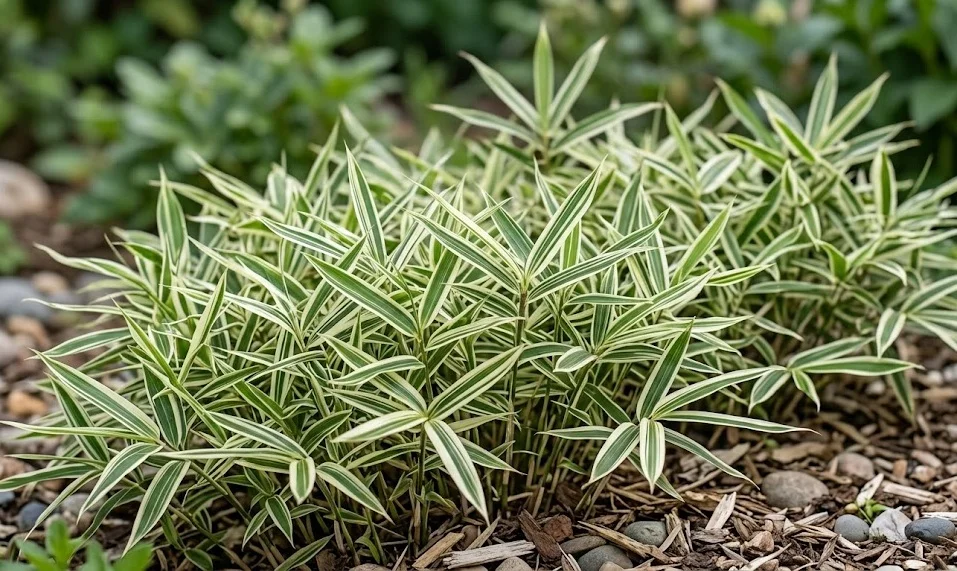

Preparing the white-striped dwarf bamboo for the colder months is a vital task for any gardener living in a temperate climate. While this variety is known for its hardiness, the combination of freezing temperatures and drying winds can challenge even the most resilient specimens. Effective overwintering involves protecting both the visible foliage and the underground rhizomes to ensure a vigorous return in the spring. This article outlines the professional methods for shielding this ornamental bamboo from the harshest winter conditions.
The primary danger during winter is not just the cold itself, but the lack of available moisture when the ground is frozen. Because this bamboo is evergreen, its leaves continue to lose water through transpiration even in the middle of winter. If the roots are locked in ice, they cannot replenish this lost moisture, leading to a condition known as winter desiccation. Professional gardeners focus on “pre-hydrating” the plant and insulating the soil to minimize this risk.
Snow can be both a blessing and a curse for dwarf bamboo depending on its consistency and weight. A light layer of snow acts as an excellent natural insulator, protecting the foliage from extreme temperature fluctuations and wind. However, heavy, wet snow can weigh down the thin canes, potentially causing them to snap or remain permanently bent. Understanding how to manage snow accumulation is an essential part of the winter care routine for this species.
The transition into and out of dormancy is a delicate time for the metabolic processes of the plant. Sudden cold snaps in late autumn or unexpected thaws in mid-winter can confuse the bamboo and lead to tissue damage. By implementing a consistent overwintering strategy, the gardener provides a stable environment that helps the plant navigate these fluctuations. A well-protected bamboo will emerge in the spring with its white-striped leaves ready to grow.
Frost protection basics
The first step in winter preparation is understanding the specific hardiness zone of your garden and how it relates to this bamboo’s limits. Most dwarf Sasa varieties can handle temperatures down to roughly negative fifteen to twenty degrees Celsius, but their foliage may suffer at higher temperatures. If you live in an area where temperatures regularly drop below this threshold, more intensive protection may be required. Knowing your local microclimate allows you to tailor your efforts to the actual risks present.
More articles on this topic
Windbreaks are incredibly effective at protecting the delicate leaves from the drying effects of cold winter gusts. Even a simple temporary structure made of burlap or garden fabric can significantly reduce the wind chill around the bamboo. This protection helps the plant retain its internal moisture and prevents the “burn” that often turns the edges of the white stripes brown. Placement near a fence or a larger hedge can also provide natural shelter from the prevailing winter winds.
In extremely cold regions, some gardeners choose to cover their dwarf bamboo with a layer of insulating material like straw or dry leaves. This creates a pocket of trapped air that stays slightly warmer than the surrounding atmosphere. It is important that these materials are dry when applied to prevent rot and fungal issues during the winter. This “blanket” can be held in place with a lightweight mesh to prevent it from blowing away in a storm.
Avoid the temptation to prune the bamboo late in the season, as this can stimulate new growth that is highly vulnerable to frost. The plant should be allowed to naturally slow its growth and harden its tissues as the days get shorter and the temperature drops. By working with the plant’s natural rhythm, you ensure that it is in the best possible physiological state to face the winter. A calm, undisturbed plant is much more likely to survive the cold unscathed.
Root zone insulation techniques
While the foliage may be the most visible part of the plant, the survival of the bamboo depends entirely on the health of its underground rhizomes. Insulating the root zone is the most effective way to prevent the ground from freezing too deeply and for too long. A thick layer of organic mulch, such as wood chips, bark, or compost, is the ideal tool for this job. This layer should be at least ten to fifteen centimeters thick and extend well beyond the edge of the bamboo patch.
More articles on this topic
Mulch acts as a thermal buffer, slowing the rate at which the soil loses heat to the air. This can keep the soil temperature several degrees warmer than the air temperature, which can make a life-or-death difference for the roots. As an added benefit, the mulch also helps to retain moisture in the soil, ensuring that the plant has access to water during temporary thaws. It is a simple, low-cost investment that pays huge dividends in plant health.
If you are growing this bamboo in containers, the roots are much more exposed to the cold than those planted in the ground. Pots should be moved to a sheltered location, such as against a south-facing wall or into an unheated garage, if possible. Alternatively, you can wrap the containers in insulating materials like bubble wrap, burlap, or specialized pot jackets. Grouping several pots together also helps them retain heat more effectively than if they were standing alone.
For high-value specimens in the ground, some professionals use “thermal blankets” or specialized garden fleeces to cover the entire root area. These materials are designed to let air and moisture through while trapping heat from the earth. This is particularly useful during extreme cold events where the usual mulch layer might not be enough. Protecting the roots ensures that even if the foliage is damaged, the plant has the energy to regrow in the spring.
Winter desiccation prevention
Desiccation is often the “silent killer” of evergreen bamboo during the winter months. To prevent this, the gardener should ensure that the plant is thoroughly hydrated before the first hard freeze of the season. Deeply watering the bamboo in late autumn, after the first light frosts but before the ground becomes solid, provides a critical reservoir of moisture. This allows the plant to enter the winter with full “tanks,” making it more resilient to the drying effects of the air.
In areas with dry winters and frequent thaws, it may be necessary to water the bamboo periodically during the winter. If the ground has thawed and there hasn’t been significant rain or snow, a gentle watering can be very beneficial. It is important to do this during the warmest part of the day so the water has time to soak in before the ground freezes again at night. Monitoring soil moisture even in the “off-season” is a sign of a truly dedicated gardener.
Anti-desiccant sprays are another tool that can be used to protect the foliage of white-striped dwarf bamboo. These products create a thin, waxy coating on the leaves that reduces the amount of moisture lost through transpiration. They are typically applied in late autumn and can provide an extra layer of protection for several months. However, they should be used sparingly and according to the instructions to avoid interfering with the plant’s natural gas exchange.
Maintaining high humidity around the plant can also help, though this is difficult to achieve in an outdoor garden. In small, sheltered courtyards, the presence of other plants or a small water feature can create a slightly more humid microclimate. If the bamboo is particularly exposed, adding a temporary windbreak is usually the most practical way to manage the local humidity. Every small step taken to preserve moisture helps the plant maintain its vibrant variegated look through the dark months.
Spring recovery steps
As the days begin to lengthen and the soil warms up, the white-striped dwarf bamboo will start to emerge from its winter rest. This is the time to remove any temporary winter protection, such as burlap screens or heavy leaf covers. It is important to do this gradually, as the plant needs time to adjust to the increased light and moving air. Removing covers too early can expose the plant to late-season frosts, while leaving them on too long can cause overheating.
Once the protection is removed, the gardener should assess the condition of the foliage and stems. Any leaves that have turned completely brown and brittle can be gently removed or pruned away. If the damage is extensive, don’t be discouraged; as long as the rhizomes are healthy, new shoots will soon appear. A light application of a balanced, slow-release fertilizer at this stage will provide the nutrients needed for a strong spring flush.
Checking the mulch layer and replenishing it if it has thinned out over the winter is another important spring task. This helps to maintain soil moisture as the plant enters its most active period of growth. You should also inspect any root barriers or garden edges for damage that may have occurred during the freezing and thawing cycles. Taking care of these small maintenance details early in the season sets the stage for a successful and beautiful year.
Watering should be increased as the temperature rises and the plant begins to produce new growth. The fresh, young shoots and leaves are very tender and have a high demand for moisture. If the spring is dry, regular irrigation is essential to support this critical phase of the bamboo’s lifecycle. With proper overwintering care and a careful spring restart, your white-striped dwarf bamboo will continue to be a highlight of your garden for years to come.