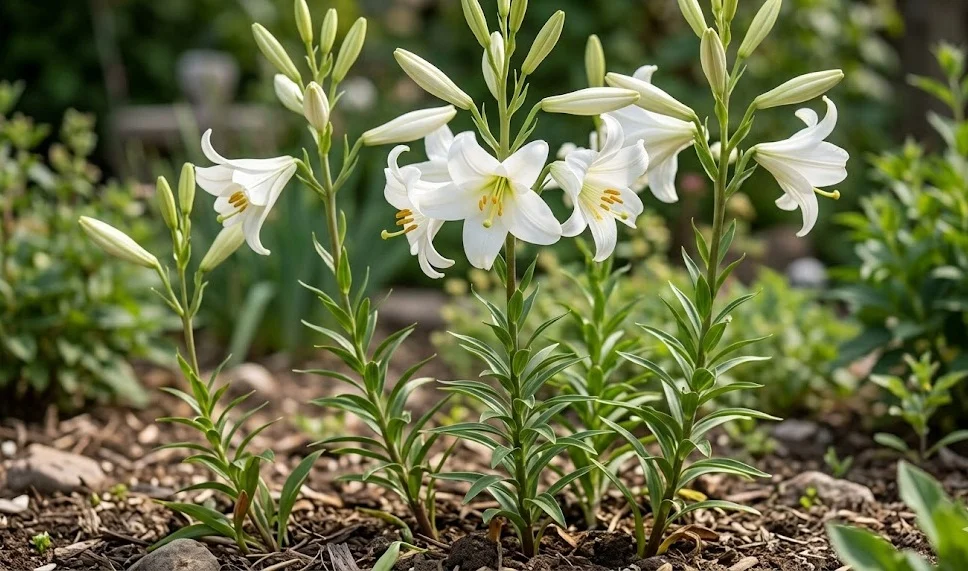

Preparation for the winter months is a vital phase in the life of the white lily, ensuring that the bulbs remain protected and dormant until the spring. This specific species, originating from a Mediterranean climate, has different requirements than the more common Asian or Oriental hybrids. Understanding the balance between providing enough protection and avoiding excessive moisture is the key to successful overwintering. A professional approach involves a combination of site management, protective covering, and careful monitoring as the temperatures drop.
The first step in the overwintering process begins long before the first frost arrives in the autumn. As the flowering season ends, the plant must be allowed to enter its dormant state naturally without interference. Reducing the amount of water and stopping all fertilization helps signal to the bulb that it is time to store energy for the coming cold. This period of transition is critical for the hardening of the bulb scales and the preparation of the internal tissues.
In regions with very harsh winters, additional measures may be necessary to prevent the ground from freezing too deeply around the shallow bulbs. While the white lily is surprisingly resilient, prolonged exposure to extreme cold can cause physical damage to the bulb structure. Creating a temporary microclimate through the use of mulches and covers can provide the necessary buffer. The goal is to maintain a stable, cool environment that prevents the bulb from both freezing and waking up too early during a winter thaw.
For those growing lilies in containers, the overwintering process requires a slightly different set of strategies to protect the more exposed root systems. Pots can freeze much more quickly and deeply than the open ground, putting the bulbs at higher risk of damage. Moving containers to a sheltered spot or wrapping them in insulating materials are common professional techniques for winter protection. Regardless of the method used, the focus remains on keeping the bulbs dormant, dry, and safe until the return of warmer weather.
Preparing the garden for the dormant phase
As the late summer fades into autumn, the gardener should observe the natural decline of the lily foliage with a patient eye. It is essential to wait until the leaves have completely turned yellow or brown before removing them from the plant. This ensures that every last bit of energy produced by the leaves has been successfully transferred back into the bulb for storage. Cutting back green foliage prematurely can weaken the bulb and result in a poor showing the following year.
More articles on this topic
Once the foliage is removed, the area around the bulbs should be cleared of any weeds or organic debris that could harbor pests over the winter. A clean surface makes it easier to apply protective layers and reduces the risk of fungal spores surviving until the spring. This is also an excellent time to double-check the labels and markers in the garden bed. It can be surprisingly difficult to remember exactly where the shallow bulbs are located once the ground is covered in snow or mulch.
The soil structure should be assessed one last time to ensure that drainage will remain effective during the wet winter months. If there are any areas where water tends to pool, adding a small amount of grit or adjusting the surface level can prevent bulb rot. Professional gardeners often use this time to perform a final, very light cultivation of the surrounding soil to improve aeration. Care must be taken not to disturb the shallow bulbs themselves during this process.
In areas where heavy snow is common, the weight of the snow can actually provide a natural insulating layer for the ground. However, in regions with cold winds and little snow cover, the risk of “frost heave” is much higher. This occurs when the soil repeatedly freezes and thaws, potentially pushing the shallow bulbs up toward the surface. Providing a stable covering of mulch is the most professional way to counteract this natural but destructive phenomenon.
Applying protective mulches and covers
The choice of mulching material can significantly impact the success of the overwintering process for the white lily. Light, airy materials like straw, pine boughs, or specialized horticultural fleece are preferred over heavy, wet leaves. These materials provide excellent insulation while still allowing for the necessary air circulation around the soil surface. Avoiding materials that become compacted and soggy prevents the buildup of moisture that can lead to fungal issues.
More articles on this topic
The timing of the mulch application is just as important as the material itself, as applying it too early can trap heat and delay dormancy. The best practice is to wait until the ground has started to cool significantly but before the first deep freeze occurs. A layer of three to four inches is usually sufficient to provide the necessary thermal buffer for the shallow-planted bulbs. This protective layer acts like a blanket, keeping the soil temperature more consistent throughout the fluctuating winter months.
In particularly exposed or cold locations, a more robust structure such as a cold frame or a low tunnel can be used. These structures offer a higher level of protection against wind and heavy rain while still providing a controlled environment. Professional growers often monitor the temperature inside these covers to ensure they do not become too warm on sunny winter days. The goal is to provide a sanctuary that mimics the protected rocky slopes where these lilies are found in the wild.
As the winter progresses, it is important to periodically check the state of the protective layers to ensure they have not been displaced by wind or animals. A quick walkthrough of the garden after a major storm allows for any necessary repairs to be made before the bulbs are exposed to the cold. This consistent attention to detail is what separates a professional maintenance plan from a casual one. A well-protected garden is the best insurance policy for a beautiful spring display.
Managing container-grown lilies in winter
Lilies grown in pots are particularly vulnerable to the winter elements because their root zones are not insulated by the mass of the earth. In many cases, it is best to move the containers to an unheated garage, shed, or a very sheltered corner of the garden. The location should remain cool enough to keep the bulbs dormant but offer protection from the most extreme freezing temperatures. It is important to avoid moving them into a heated house, as the warmth will trigger premature and weak growth.
The moisture level within the container must be managed with extreme care during the dormant period. The soil should be kept barely moist—just enough to prevent the bulbs from completely desiccating, but never wet. Over-watering a dormant container is a guaranteed way to cause bulb rot and lose the plant entirely. Checking the pots once a month is usually sufficient to ensure they are maintaining the correct balance of moisture.
If moving the pots is not an option, they can be “heeled in” by burying the entire container in a vacant garden bed for the winter. This utilizes the natural insulation of the ground to protect the roots while keeping the plants in their designated pots. Alternatively, wrapping the pots in several layers of bubble wrap or burlap can provide a significant amount of thermal protection. These professional techniques ensure that even containerized lilies can survive and thrive year after year.
As the spring approaches, container-grown lilies should be reintroduced to the light and warmer temperatures gradually. Moving them back to their flowering positions too early can expose the tender new shoots to late spring frosts. A gradual transition allows the plant to wake up at its own pace and develop the strength needed for the coming season. This careful management of the dormant phase is essential for the long-term health of any container-based lily collection.
Monitoring the transition to spring
The return of warmer weather in the late winter or early spring marks the end of the overwintering process and the beginning of a new cycle. The protective mulch should be removed gradually as the threat of deep freezing passes, allowing the soil to warm up in the sun. If a basal rosette of leaves has survived the winter, these should be cleaned of any debris to allow them to function properly. Observing the first signs of new green growth is one of the most rewarding moments for any dedicated gardener.
If a sudden late frost is forecasted after the mulch has been removed, a temporary covering may be needed to protect the new shoots. These early leaves are quite tender and can be easily damaged by a sharp drop in temperature. Using a light cloth or a plastic bucket to cover the plants overnight can provide the necessary protection without crushing the growth. This final bit of vigilance ensures that the hard work of the winter pays off in a successful start to the spring.
As the bulbs wake up, a light application of organic fertilizer can help support the initial burst of growth. The soil should be checked for any signs of compaction or erosion that may have occurred during the winter months. Gently loosening the surface and adding a small amount of fresh compost revitalizes the bed for the coming year. This transition from protection to active care is handled with the same professional precision as every other phase of lily cultivation.
A successful overwintering period is a testament to the gardener’s understanding of the plant’s needs and the local environment. Sharing your experiences and techniques with other enthusiasts helps to build a collective knowledge base for the horticultural community. Every winter provides new lessons and opportunities to refine the care routine for these magnificent flowers. With proper preparation, the white lily remains a permanent and thriving feature of the professional garden.