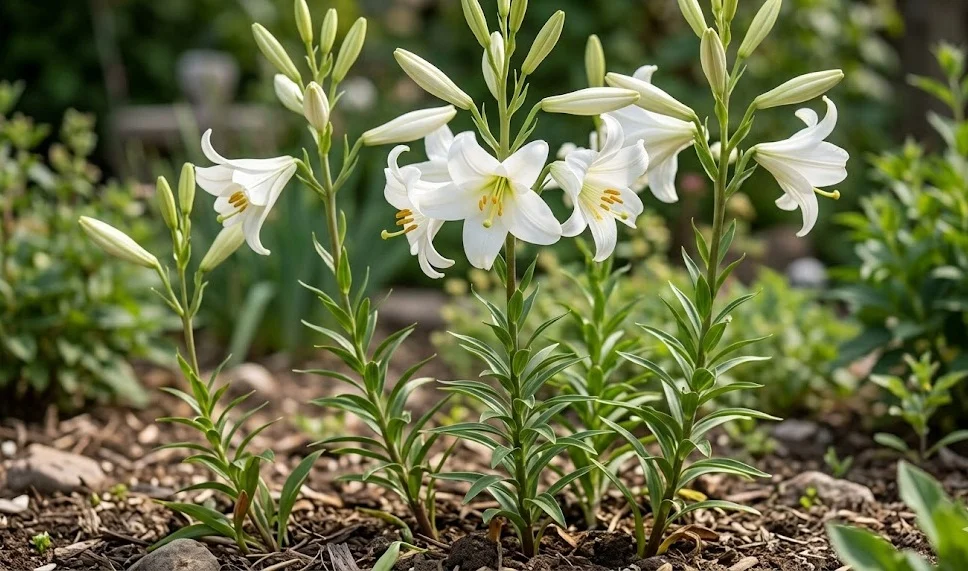

Maintaining a healthy garden environment is the most effective strategy for managing the various biological challenges that can affect lilies. The white lily is susceptible to a range of pathogens and insects that can compromise its aesthetic and structural health if left unchecked. A professional approach to pest and disease management involves regular scouting and a deep understanding of the life cycles of these organisms. Early intervention is the key to preventing a minor issue from becoming a widespread epidemic within the colony.
Fungal infections are among the most common problems encountered by lily growers, especially in humid or poorly ventilated gardens. These pathogens often manifest as spots on the leaves or a fuzzy mold on the stems and flowers. Understanding the conditions that favor fungal growth, such as stagnant air and wet foliage, allows the gardener to take preventive measures. A proactive stance on garden hygiene, including the removal of fallen debris, significantly reduces the risk of infection.
Viral diseases represent a more serious threat, as they are often incurable and can spread rapidly through a collection. These viruses are frequently transmitted by sap-sucking insects or contaminated gardening tools. Symptoms can include distorted growth, mottled leaf patterns, and a general decline in the plant’s vigor. Professional management of viral issues focuses on the immediate removal and destruction of infected plants to protect the remaining healthy ones.
Insects can cause both direct damage through feeding and indirect damage by acting as vectors for other diseases. From the notorious lily beetle to common aphids, each pest requires a specific strategy for control and eradication. Monitoring the plants daily during the peak growing season ensures that these visitors are caught before they can establish large populations. Integrated pest management, which combines biological, cultural, and chemical controls, is the professional standard for a sustainable garden.
Managing common fungal pathogens
Botrytis blight, often called gray mold, is a pervasive fungal disease that can quickly disfigure the beautiful white petals and green leaves. It typically appears during cool, wet weather and spreads rapidly through airborne spores. Providing ample space between plants for air circulation is the first line of defense against this opportunistic fungus. If infection occurs, removing the affected tissue and improving the ventilation in the area can help contain the spread.
More articles on this topic
Root and bulb rots are usually the result of soil-borne fungi that thrive in overly wet or compacted conditions. These pathogens attack the underground parts of the plant, often leading to a sudden collapse of the stem or yellowing of the entire plant. Improving the soil drainage and avoiding over-watering are the most effective ways to prevent these devastating issues. In heavy soils, planting the bulbs on a small mound of sand can provide a buffer against excess moisture.
Powdery mildew is another common fungal issue that presents as a white, flour-like coating on the surface of the leaves. While it is rarely fatal, it can significantly reduce the plant’s ability to photosynthesize and detract from its visual appeal. This fungus thrives in environments with high humidity but dry soil, making consistent watering a key part of prevention. Neem oil or a mild bicarbonate solution can be used as a professional-grade organic treatment for minor outbreaks.
Fungal spores can survive in the soil or on plant debris for several years, making garden cleanliness a top priority for serious horticulturists. At the end of every season, all old lily stems and leaves should be removed from the site and disposed of properly. Do not compost material that is suspected of being diseased, as most home compost piles do not reach high enough temperatures to kill the spores. A clean start each spring is the best way to ensure a healthy and productive growing season.
Identifying and controlling viral threats
Lily mosaic virus is perhaps the most well-known viral threat, causing distinct streaks or mottling on the foliage. The affected plants may also produce stunted or deformed flowers that lack the characteristic elegance of the species. Because there is no known cure for these viruses, prevention through the control of aphids and other vectors is essential. Buying certified virus-free bulbs from reputable suppliers is another critical step for any professional planting project.
More articles on this topic
A decline in the overall vigor of the plant without any obvious environmental cause can sometimes be a subtle sign of a viral infection. The plant might become shorter each year or produce fewer flowers despite receiving excellent care. If a virus is suspected, it is vital to isolate the plant from the rest of the collection immediately to prevent further spread. Testing the soil or plant tissue through a professional laboratory can provide a definitive diagnosis if needed.
Maintaining a strict hygiene protocol for all gardening tools is a simple but often overlooked aspect of viral disease management. Viruses can easily be transferred from an infected plant to a healthy one through the sap remaining on a pair of pruning shears. Disinfecting blades with a solution of bleach or alcohol between every plant is a standard practice in professional nurseries. This small extra step can save an entire collection from a devastating and preventable viral outbreak.
Educating oneself about the specific viruses that affect lilies in your local region can help in making better management decisions. Some viruses are host-specific, while others can move between different types of garden plants. Understanding the broader ecological context of the garden allows for a more comprehensive approach to health management. A professional gardener is always a student of the invisible world of pathogens and the complex ways they interact with their hosts.
Strategies for pest monitoring and control
The red lily beetle is the most significant insect pest for most growers, capable of stripping a plant of its foliage in a matter of days. Both the bright red adults and their mud-covered larvae are voracious feeders that should be removed as soon as they are spotted. Hand-picking is an effective control method for smaller gardens, but larger collections may require more intensive interventions. Understanding the beetle’s life cycle, which includes overwintering in the soil, is key to long-term control.
Aphids are another frequent visitor to the lily bed, often clustering on the tender new growth or under the flower buds. While they cause some direct feeding damage, their role as vectors for viral diseases is their most dangerous characteristic. A strong stream of water can often dislodge them, or a mild soap-based spray can be used for more persistent infestations. Encouraging natural predators like ladybugs and lacewings is a sustainable way to keep aphid populations under control.
Slugs and snails can be particularly damaging to emerging lily shoots in the early spring, sometimes eating the growing point before it even leaves the ground. These nocturnal pests thrive in damp, mulched environments and can be managed through a variety of cultural methods. Barriers such as copper tape or crushed eggshells can provide some protection, but regular nighttime patrols are often the most effective solution. Keeping the area around the lilies free of large debris reduces the number of hiding spots for these mollusks.
Thrips are tiny, slender insects that feed on the flower buds, often causing them to turn brown and fail to open properly. Because they are so small and hide deep within the plant tissues, they can be difficult to detect until the damage is already done. Monitoring with blue or yellow sticky traps can help in identifying their presence early in the season. Maintaining high humidity and avoiding water stress can make the plants less attractive to these destructive little pests.
Maintaining long-term garden resilience
Building a diverse and healthy garden ecosystem is the best long-term defense against any single pest or disease. Plants that are grown in the correct environment and receive proper nutrition are naturally more resistant to biological stressors. Avoiding the use of broad-spectrum pesticides preserves the populations of beneficial insects that provide natural pest control. A professional gardener works with nature rather than against it to create a stable and beautiful landscape.
Crop rotation, though more common in vegetable gardening, can also be applied to ornamental beds to prevent the buildup of soil-borne pathogens. If a particular area has suffered from persistent disease issues, it may be wise to avoid planting lilies there for several years. This gives the soil time to recover and allows the natural microbial balance to reset. Using this time to grow unrelated species can also add variety and interest to the garden design.
Regularly updating your knowledge of new pests and diseases entering your region is a hallmark of a true professional. Climate change and global trade are constantly introducing new challenges for horticulturists around the world. Subscribing to professional journals or participating in regional workshops can provide early warnings about emerging threats. Being part of a wider community of gardeners allows for the sharing of successful management strategies and moral support.
Ultimately, the goal of pest and disease management is not to achieve a sterile garden, but a balanced one where the lilies can thrive. Small amounts of damage are often a natural part of a living landscape and do not always require aggressive intervention. The professional gardener knows when to act decisively and when to let the natural processes of the garden take their course. A thriving, fragrant patch of white lilies is the ultimate reward for this thoughtful and dedicated approach to garden health.