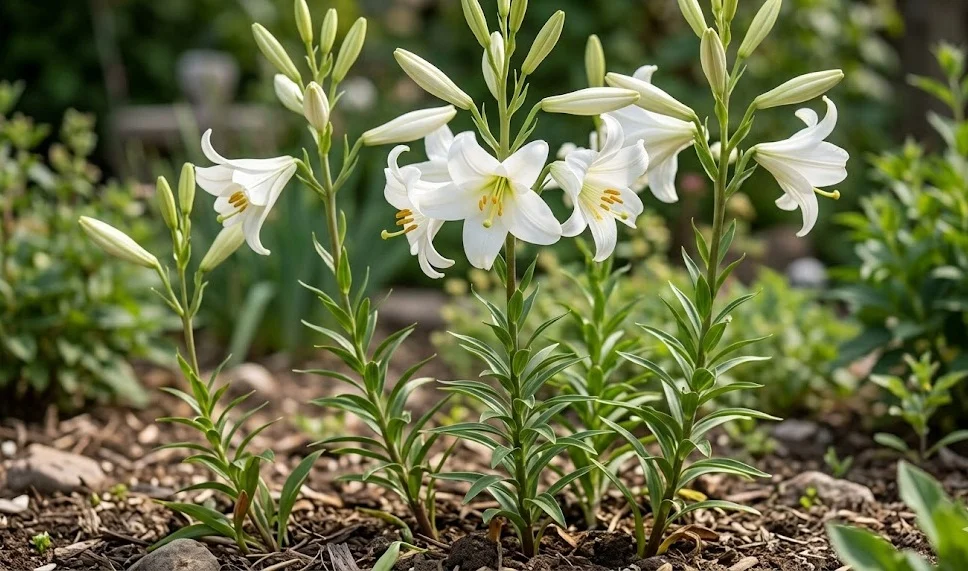

The white lily remains one of the most elegant additions to any professional landscape or home garden. Its distinct fragrance and pure white petals signify a level of horticultural mastery that many enthusiasts strive to achieve. Understanding the specific physiological needs of this bulbous plant is the first step toward a successful growing season. Practitioners must observe the plant’s reaction to its immediate environment to ensure longevity and vibrant blooms.
Successful maintenance begins with understanding the rhythm of the plant throughout the calendar year. Unlike many other summer-blooming bulbs, this species has a unique dormant period that starts earlier in the autumn. Gardeners should pay close attention to the foliage as it begins to yellow, indicating a shift in energy storage. Proper intervention during these transitional phases ensures that the bulb remains healthy for the following cycle.
Soil health is a non-negotiable factor when striving for professional-grade results in lily cultivation. The substrate should be rich in organic matter while maintaining a structure that allows for rapid drainage after heavy rainfall. Testing the soil pH periodically helps in maintaining a slightly alkaline to neutral environment which is ideal for nutrient uptake. Adding compost or well-rotted leaf mold annually can significantly improve the microbial activity around the root zone.
Environmental stressors such as extreme heat or unexpected frost can compromise the structural integrity of the lily. Providing a layer of organic mulch can help regulate soil temperature and prevent the bulbs from drying out too quickly. During periods of intense summer sun, temporary shading might be necessary to protect the delicate petals from scorching. Professional growers often use windbreaks to ensure that the tall stems do not snap under the pressure of strong gusts.
Establishing a routine for general care
Consistency in garden management is the key to preventing most common issues before they become systemic. A daily walkthrough of the garden allows for the early detection of physiological changes in the leaves. Noticing a slight wilt or a change in color can provide clues about the moisture levels deep within the soil. Maintaining a clean area around the base of the plant reduces the risk of accidental damage during other garden tasks.
More articles on this topic
Professional tools should always be cleaned and sharpened before they come into contact with the lily stems. Using dull blades can cause jagged cuts that serve as entry points for pathogens and unwanted fungi. It is advisable to designate specific tools for sensitive bulbous plants to minimize cross-contamination between different sections of the garden. Disinfecting equipment with a mild alcohol solution is a standard practice among high-level horticulturists.
Observation of the local climate patterns helps in adjusting the care routine to meet the plant’s specific needs. If the region experiences an unusually dry spring, the frequency of care tasks must increase to compensate for the lack of natural moisture. Conversely, a very wet season requires more focus on soil aeration and preventing waterlogged conditions. Keeping a garden journal can be an invaluable resource for tracking how the plants respond to these variables over several years.
Interaction with the plant should always be gentle to avoid bruising the foliage or the developing flower buds. The stems can be somewhat brittle, especially when they are heavy with multiple blooms at the peak of the season. Hand-weeding is preferred over using mechanical hoes near the base to avoid disturbing the shallow root system. Taking a meticulous approach to every small task results in a significantly more robust and aesthetically pleasing display.
Seasonal transitions and growth cycles
As the spring progresses, the initial emergence of the green shoots marks a critical phase in the life of the lily. This is the time when the plant is most vulnerable to sudden temperature fluctuations and requires close monitoring. Applying a balanced organic amendment during this stage supports the rapid expansion of the leaf surface area. Strong early growth is usually a reliable predictor of the quality and quantity of the eventual flowers.
More articles on this topic
The transition from vegetative growth to flowering requires a shift in how the gardener manages the surrounding resources. The plant’s demand for specific minerals increases as it prepares to produce the large, fragrant blossoms. Ensuring that there is no competition from aggressive weeds is vital during this high-energy period. Supporting the stems with discrete stakes may be necessary if the plant reaches its full height in an exposed location.
Once the flowering period concludes, the plant enters a phase where it focuses on replenishing the bulb’s energy reserves. It is a common mistake to cut the foliage back too early, which deprives the bulb of essential sugars produced through photosynthesis. The leaves should be allowed to remain until they have completely withered and turned brown naturally. This patience is rewarded with a larger and more productive bulb for the next growing season.
The late summer period is also an excellent time to assess the overall performance of the lilies in their current location. If the blooms were smaller than expected, it might indicate a need for more nutrients or a change in light exposure. Professional gardeners often use this time to plan any necessary adjustments to the garden layout for the coming year. Recording these observations while the details are still fresh is a hallmark of a professional approach.
Monitoring plant health and vitality
Vibrancy in the garden is often the result of proactive health management rather than reactive treatments. Examining the underside of the leaves periodically can reveal early signs of stress that might not be visible from above. A healthy lily should have turgid, deep green leaves that show no signs of spotting or localized yellowing. Any deviation from this appearance should be investigated immediately to determine the underlying cause.
The thickness and strength of the stem are excellent indicators of the plant’s access to light and minerals. A thin, leggy stem often suggests that the lily is stretching toward a distant light source or lacks structural nutrients. Providing the correct balance of environmental factors results in a sturdy stalk capable of supporting multiple large flowers. Ensuring that the plant has enough space for air to circulate freely around the foliage is another essential health requirement.
Water quality can also impact the long-term vitality of the white lily, especially in areas with very hard water. Using collected rainwater is often the best choice as it lacks the high mineral concentrations found in some municipal supplies. If rainwater is not available, allowing tap water to sit for a period can help reduce the impact of certain additives. Monitoring how the plant reacts to different water sources can lead to a more tailored and effective care plan.
The overall aesthetic of the plant should reflect its internal health and the quality of the care it receives. Professional magazines often highlight the importance of a clean, well-maintained appearance as a sign of horticultural expertise. Removing any dead or damaged tissue promptly keeps the plant looking its best while preventing the spread of decay. A thriving lily garden is a testament to the gardener’s dedication to the small, daily details of plant care.
Optimizing the growing environment
The microclimate surrounding the lily patch can be manipulated to create the most favorable conditions for growth. Utilizing natural features like stone walls or hedges can provide a buffer against harsh winds and temperature spikes. These structures can also retain heat during the day and release it slowly during the cooler nights. Understanding the movement of air and shadows across the garden allows for strategic placement of each individual bulb.
Companion planting is a sophisticated technique used by professionals to enhance the health of the white lily. Selecting plants that share similar cultural requirements but offer different benefits can create a more resilient ecosystem. For example, low-growing perennials can provide shade for the roots while allowing the lily stems to rise into the sun. Avoiding plants that are known to harbor similar pests is a crucial part of this planning process.
Soil compaction is a silent enemy of bulbous plants and should be managed with regular care and attention. Walking directly on the planting beds should be avoided to keep the soil structure loose and airy. Incorporating coarse sand or fine grit can help maintain long-term porosity in heavier soil types. A well-aerated soil allows the roots to breathe and prevents the buildup of harmful gases that can lead to rot.
Acoustics and vibrations in the garden are less commonly discussed but can still play a minor role in the overall environment. While plants do not hear in the human sense, extreme mechanical vibrations can sometimes affect the soil structure or root contact. Maintaining a peaceful and stable environment is generally beneficial for all sensitive ornamental species. Creating a sanctuary for the plants often results in a sanctuary for the gardener as well.
Managing competition and space
Every lily bulb requires a specific amount of space to reach its full potential without being crowded by its neighbors. Crowding leads to poor air circulation, which is a primary driver of many common fungal issues in lilies. Professional layouts prioritize adequate spacing to ensure that each plant receives its fair share of light and soil nutrients. This approach not only improves the health of the plants but also makes individual maintenance tasks much easier.
Weeds should be viewed as direct competitors for the limited resources available within the garden bed. They can quickly overshadow young lily shoots and deplete the soil of moisture during critical growth phases. A regular weeding schedule prevents these opportunistic plants from establishing deep root systems that are difficult to remove. Mulching is an effective professional strategy for suppressing weed growth while simultaneously improving the soil.
As the lily clump expands over several years, it may become necessary to reassess the space it occupies. Dividing the bulbs every few years prevents over-congestion and provides an opportunity to revitalize the soil in that area. This process also allows the gardener to spread the beauty of the white lily to other parts of the property. Knowing when to intervene in the natural expansion of the plant is an important skill for any serious horticulturist.
The relationship between the lily and its nearby shrubs or trees must also be monitored for signs of imbalance. Large woody plants can have extensive root systems that may invade the lily bed and steal moisture. Overhanging branches can also change the light levels significantly as they grow, potentially shading out the lilies. Regular pruning of surrounding vegetation ensures that the lilies continue to receive the environment they were originally planted in.
Professional documentation and planning
A successful gardener is also an observant historian who tracks the progress of the garden through the seasons. Detailed records of planting dates, flowering times, and weather events provide a roadmap for future success. This documentation allows the professional to identify patterns that might be missed during the busy growing season. Comparing notes from previous years helps in making informed decisions about changes to the care routine.
Photographic records are particularly useful for visualizing the development of the garden over a longer period. Seeing how the lilies interact with their neighbors throughout the year helps in fine-tuning the aesthetic and functional design. These images can also serve as a diagnostic tool if health issues arise, allowing for a visual comparison with healthy states. Many professionals use digital tools to organize these records for easy access and analysis.
Planning for the next season should begin while the current season is still in full bloom. Observing which varieties performed best and which areas of the garden provided the best results is crucial. This forward-looking approach ensures that any necessary materials or bulbs are ordered well in advance. It also allows for the gradual implementation of improvements rather than a rushed overhaul in the spring.
Sharing knowledge and observations with other enthusiasts can lead to new insights and improved techniques. The horticultural community is a valuable resource for learning about new trends or regional challenges specific to lilies. Participating in local garden clubs or online forums provides a platform for exchanging professional advice and experiences. Ultimately, the care of the white lily is a continuous learning process that rewards the dedicated practitioner with timeless beauty.