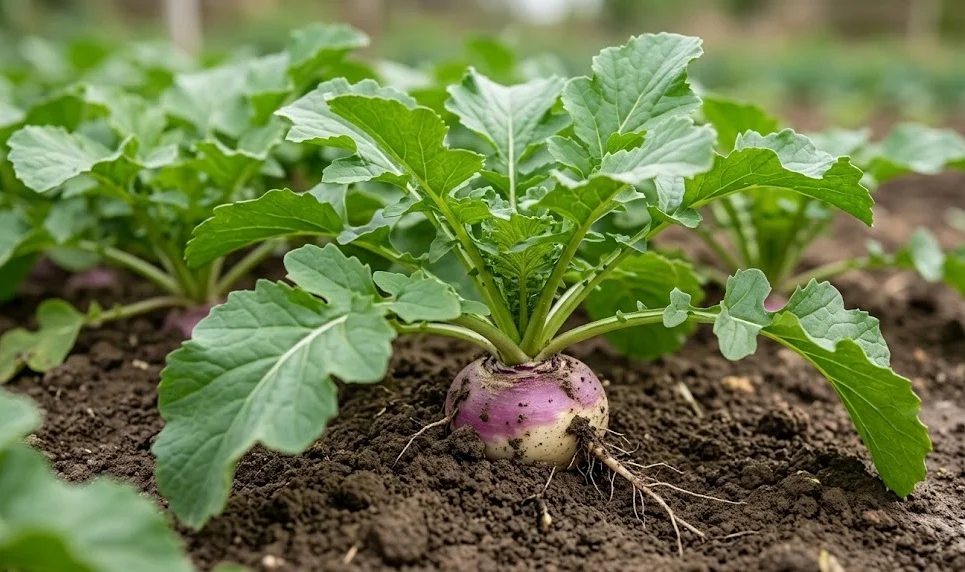

Effective maintenance of stubble turnips requires a nuanced understanding of their rapid growth cycle and specific physiological needs within an agricultural setting. These hardy brassicas are often utilized for late-season forage or soil improvement, meaning their care must be proactive to ensure maximum biomass production. An expert approach involves balancing environmental factors with targeted interventions to maintain plant health throughout the growing period. By focusing on these core principles, growers can achieve a high-quality yield that serves both nutritional and ecological purposes.
Consistency in soil monitoring is the first step toward a successful crop during the late summer months. You should regularly check the field for signs of soil compaction which can significantly hinder root expansion and nutrient uptake. Ideally, the ground should remain friable enough to allow the globular roots to swell without physical resistance from heavy clay or stones. Observation of the foliage will often indicate whether the underlying soil conditions are meeting the specific demands of the developing plants.
Weed management remains a critical component of care because stubble turnips are susceptible to competition during their early vegetative stages. You must ensure that the transition from seedling to established plant is not interrupted by invasive species that steal light and moisture. Mechanical cultivation should be handled with extreme care to avoid damaging the shallow root systems that are characteristic of this species. Once the canopy closes, the plants themselves will act as a natural suppressant, but early vigilance is absolutely mandatory for success.
The final phase of general care involves monitoring the transition from vegetative growth to the point of peak nutritional value. As the roots mature, their chemical composition shifts, making it vital to time any final inputs or management changes precisely. You should look for the characteristic sizing of the roots while ensuring the leaves remain vibrant and free from significant yellowing. Maintaining this balance ensures that the crop provides the intended benefits, whether it is destined for grazing or as a green manure.
Soil health and structure
Maintaining the ideal soil structure is paramount for the development of healthy stubble turnips across various field types. You should prioritize fields that offer good drainage while retaining enough organic matter to support rapid cellular expansion. Heavy soils can be improved with light aeration techniques that do not disturb the overall microbial balance of the site. It is often beneficial to assess the soil history of the plot to ensure that previous crops have not depleted essential trace elements.
More articles on this topic
Compaction is a major enemy of root crops, and stubble turnips are no exception to this fundamental agricultural rule. When the earth becomes too packed, the roots struggle to reach the necessary depth for stability and moisture access. You can identify these issues by observing stunted growth patterns or distorted root shapes during periodic field walkthroughs. Implementing controlled traffic farming can help minimize the impact of heavy machinery on the delicate soil architecture required for these plants.
The chemical balance of the growing medium directly influences how well the turnip can resist environmental stressors. A slightly acidic to neutral pH is generally preferred to maximize the bioavailability of minerals in the soil solution. You should conduct regular testing to ensure that the environment remains within the optimal range for brassica cultivation throughout the season. Adjustments to the soil chemistry should be made well in advance of the most intensive growth phases to allow for proper integration.
Biotic activity within the soil also plays a silent but crucial role in the overall care of the crop. Encouraging a healthy population of earthworms and beneficial fungi helps create the macropores necessary for oxygen exchange at the root level. You should avoid excessive chemical applications that might inadvertently harm these non-target organisms which provide free ecological services. A living soil is far more resilient and requires fewer external interventions to produce a high-quality agricultural output.
Thinning and spacing management
Proper spacing is essential to prevent overcrowding, which can lead to spindly plants and increased disease pressure within the stand. You should evaluate the density of the seedlings approximately three weeks after the initial emergence occurs in the field. If the plants are growing too closely together, they will compete for the same limited pool of resources and fail to reach their full potential. Thinning allows the remaining individuals to expand their root systems and develop a more robust leaf canopy for photosynthesis.
More articles on this topic
The process of adjusting plant density must be done with a focus on uniformity across the entire cultivated area. You should aim for a distribution that allows for adequate airflow between the plants while still covering the ground quickly. Uneven spacing often results in a variable harvest where some roots are oversized while others remain underdeveloped and poor in quality. Achieving the right balance requires a keen eye for detail and an understanding of the specific cultivar’s growth habits.
During the thinning process, you have an excellent opportunity to remove any weak or diseased individuals from the population. This selective removal acts as a primary defense mechanism against the spread of pathogens that thrive in dense vegetation. By keeping only the most vigorous plants, you increase the overall efficiency of the field and reduce the need for later chemical treatments. This proactive step is a hallmark of professional agricultural management that focuses on long-term sustainability and health.
Air circulation is often overlooked but is directly tied to the spacing decisions made during the early stages of care. When plants are allowed to breathe, the leaves dry more quickly after rain or dew, which significantly reduces the risk of fungal infections. You will notice that a well-spaced crop maintains a much healthier color and structure than one that is left to grow in a congested state. Investing time in proper spacing early on pays significant dividends in the form of a more resilient and productive crop.
Monitoring plant development
Regular field scouting is a fundamental part of caring for stubble turnips as they move through their rapid growth phases. You should establish a routine that involves checking different sections of the field for consistency in growth and color. Observations should include looking at the underside of leaves and checking the base of the stems for any early signs of trouble. This systematic approach allows you to detect subtle changes in the crop’s health before they become widespread problems.
The rate of leaf emergence can tell you a lot about the plant’s access to nitrogen and other essential growth factors. If you notice a slowdown in the production of new foliage, it may be time to investigate the moisture levels or nutrient availability in the soil. Healthy stubble turnips should exhibit a steady increase in leaf area index until they reach full maturity. Monitoring this progression helps you understand the internal clock of the crop and adjust your management strategy accordingly.
Root development should also be checked periodically by carefully lifting a few representative samples from various points in the field. You are looking for a smooth skin texture and a firm internal structure that indicates healthy cellular development. Any signs of woodiness or hollow centers might suggest that the plants are under stress or that the harvest window is approaching. These physical inspections provide data that digital sensors or visual canopy checks simply cannot replicate accurately.
Documenting these observations over the course of the season creates a valuable record for future planting decisions and adjustments. You should note how the crop responds to specific weather events or management actions taken during the care cycle. This historical perspective allows you to refine your techniques and become more attuned to the specific needs of your land. Professional care is an iterative process that relies on both current observation and past experience to achieve excellence.
Weed suppression and competition
Stubble turnips are particularly effective at suppressing weeds once they are established, but they need help in the beginning. You should ensure that the initial seedbed is as clean as possible to give the young turnips a significant head start. Any surviving weeds from the previous crop should be managed before they have a chance to outcompete the emerging brassica seedlings. This early intervention is the most cost-effective way to manage competition and ensure a pure stand of turnips.
The use of cover crops or specific rotation strategies can also help in the overall care of the field environment. By maintaining soil coverage throughout the year, you reduce the bank of weed seeds that are available to germinate alongside your turnips. You should view weed management as a continuous cycle rather than a one-time event that happens only during the growing season. This holistic approach makes the specific care of the stubble turnip crop much easier and more predictable.
When the turnip canopy begins to close, the shade created by the large leaves becomes your most powerful tool for weed control. You should monitor the field to ensure that the canopy remains dense and healthy enough to block out the light for lower-growing species. If gaps appear in the canopy due to pests or poor growth, weeds will quickly fill those spaces and compete for nutrients. Maintaining a healthy, full canopy is therefore a dual-purpose goal for both yield and natural weed suppression.
In cases where weeds do gain a foothold, you must decide on the most appropriate method of removal based on the crop’s stage. Manual or mechanical intervention is often preferred for smaller plots, while larger operations may require more targeted approaches. You should always prioritize methods that do not leave harmful residues or damage the root structure of the turnips. Keeping the field clean ensures that all the energy of the soil is directed toward the desired agricultural outcome.
Environmental stress management
Temperature fluctuations can significantly impact the growth and overall health of a stubble turnip crop during the autumn months. You should be aware of the specific thresholds where growth might slow down or where the plant might begin to bolting prematurely. While these plants are generally frost-tolerant, extreme cold or unexpected heat waves require different management responses to protect the yield. Understanding the local climate patterns helps you anticipate these stressors and take steps to mitigate their negative effects.
Drought stress is another factor that requires careful management, especially during the critical stages of root swelling. You should monitor soil moisture sensors or use manual checks to ensure the plants have access to consistent hydration. When the soil becomes too dry, the plants may prioritize survival over growth, leading to a significant reduction in final biomass. Maintaining a steady supply of moisture is essential for keeping the tissues hydrated and the metabolic processes functioning at their peak.
Excessive rainfall can be just as damaging as drought if it leads to waterlogged conditions and anaerobic soil environments. You should ensure that your drainage systems are clear and that the field topography allows for the shedding of excess water. Stubble turnips sitting in standing water are highly susceptible to root rots and other moisture-related pathogens that can destroy a crop quickly. Good care involves preparing the land to handle both ends of the moisture spectrum with minimal disruption to the plants.
Wind protection can also play a role in care, especially in exposed fields where high winds can cause physical damage to the large leaves. You might consider using natural windbreaks or strategic planting patterns to reduce the impact of mechanical stress on the foliage. When leaves are torn or battered by the wind, the plant must expend energy on repairs rather than on developing the roots. Minimizing these physical stressors allows the turnip to focus all its resources on productive growth and development.
Seasonal transitions and harvest timing
As the season progresses, the care of stubble turnips shifts from promoting growth to preparing for the final harvest or grazing period. You should begin to evaluate the nutritional profile of the crop as it nears its intended size and maturity level. The sugar content and dry matter percentage will change as the days get shorter and the temperatures begin to drop consistently. Timing the harvest correctly ensures that you capture the maximum value from the effort invested in the care of the crop.
The physical appearance of the field will change as the plants reach their peak, with the canopy often taking on a slightly different hue. You should look for the point where the growth rate plateaued, indicating that the plant has shifted its energy storage to the roots. Continuing to provide heavy inputs at this stage is often counterproductive and can lead to unnecessary leaching of nutrients. Transitioning to a monitoring phase allows you to watch for the optimal window for utilization without wasting resources.
You should also consider the impact of the harvest on the soil for the following year’s planting cycle. Careful removal of the crop, whether by machine or by grazing livestock, should be done in a way that preserves the soil structure you worked so hard to maintain. If the ground is too wet during harvest, the resulting compaction can take years to remediate and will negatively affect future crops. A professional approach considers the entire life cycle of the land, not just the current crop being cared for.
Finally, a post-harvest assessment is a critical part of the care cycle that prepares you for the next season. You should evaluate the success of your care strategies and identify any areas where improvements could be made based on the final yield. This reflection turns a single season of growth into a learning experience that enhances your expertise as a grower. High-quality care is a continuous journey of observation, action, and refinement in the pursuit of agricultural excellence.

