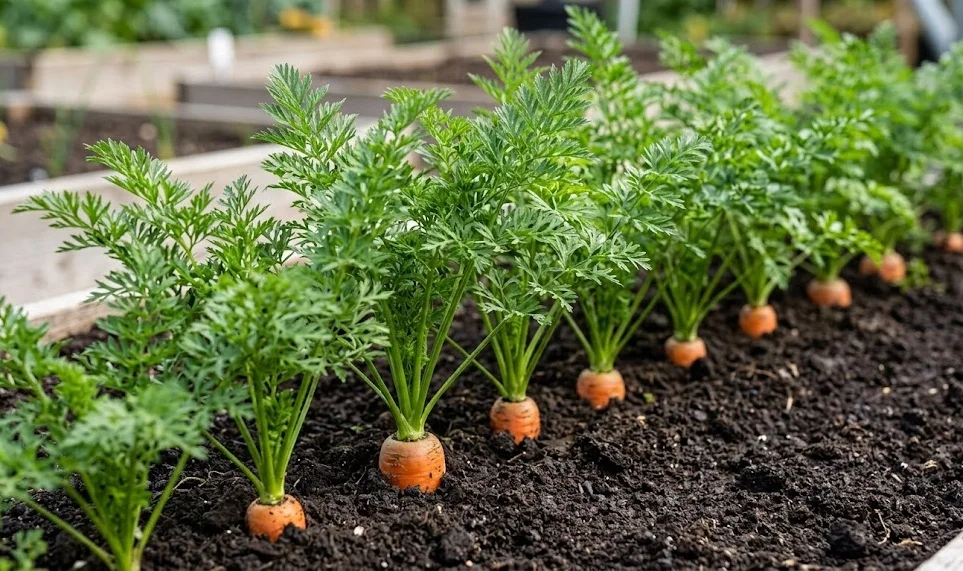

Leaving carrots in the ground over the winter is a time-tested technique for extending the harvest and improving the flavor of the roots. As the temperatures drop, the carrot plant converts its stored starches into sugars as a natural antifreeze, resulting in an exceptionally sweet vegetable. For many professional growers, the “frost-sweetened” carrot is considered the pinnacle of culinary quality. Successfully overwintering this crop requires a clear understanding of your local climate and the physical protection needed to keep the roots viable.
The primary challenge of overwintering is protecting the roots from the cycle of freezing and thawing, which can damage the cellular structure. If the ground freezes solid and then thaws rapidly multiple times, the carrots may become mushy and prone to rot. Your goal is to keep the soil temperature as stable as possible, ideally just above the freezing point. With the right preparation, you can continue to pull fresh carrots from the garden even when there is snow on the ground.
Selecting the right variety for overwintering is a professional necessity, as some types are much more cold-hardy than others. Maincrop and storage varieties, such as Danvers or certain Nantes hybrids, have thicker skins and a denser structure that resists cold damage. These varieties are also bred to hold their quality for several months without becoming woody or losing their crunch. Avoiding early or “baby” varieties for this purpose is essential, as they lack the stamina for a long winter stay.
In addition to ground storage, you should consider the logistical aspects of harvesting in the winter. If the ground freezes too hard, it becomes physically impossible to dig the carrots out without a pickaxe, which will destroy the roots. Preparing the beds with a thick insulating layer not only protects the plants but also keeps the soil underneath soft enough to work. This forward-thinking approach ensures that your winter harvest is a pleasure rather than a frustrating struggle against the elements.
Preparing the garden for the first frost
As autumn progresses and the first light frosts begin to appear, you should start monitoring the weather closely. A light frost will not harm the carrots and, in fact, marks the beginning of the sugar accumulation process. However, you must be ready to act before a “killing frost” or a deep freeze arrives. The foliage will start to die back as the plant enters dormancy, which is a normal part of the seasonal transition.
More articles on this topic
Before applying any insulation, you should give your carrot beds one final thorough weeding and a deep watering. Moist soil holds heat better than dry soil, providing a small but important thermal buffer against the cold. Removing any remaining weeds prevents them from harboring pests or diseases that could affect the carrots during their long winter rest. This clean slate ensures that all your protective measures are focused solely on the crop you intend to save.
You should also check the shoulders of the carrots to ensure they are well-covered by soil. If any part of the root is exposed to the air, it will be the first to freeze and rot, which can then spread to the rest of the plant. Gently pull some loose soil or compost over any exposed crowns to provide an extra layer of direct protection. This simple step, combined with the upcoming insulation, creates a secure environment for the roots.
The use of row covers or low tunnels can provide an initial layer of protection that extends the growing season by several weeks. These structures trap the heat of the day and shield the plants from the drying effects of cold winter winds. While they are not a substitute for heavy mulching in very cold climates, they are an excellent professional tool for the transition period. Keeping the environment stable during the onset of winter is the key to a successful overwintering outcome.
Insulation techniques for in-ground storage
The secret to successful in-ground overwintering is a thick, insulating “blanket” applied over the entire bed. You should aim for a layer of mulch that is at least thirty to forty centimeters deep to be truly effective in colder regions. Suitable materials include clean straw, shredded leaves, or even bags of dry leaves laid side-by-side. The goal is to create a barrier of trapped air that prevents the freezing air from penetrating deep into the soil.
More articles on this topic
To prevent your insulation from blowing away in winter storms, you should secure it with a layer of horticultural fleece or a weighted net. Some professional growers also use old pieces of plywood or heavy tarps to keep the mulch dry and in place. Keeping the insulation dry is important, as wet straw or leaves lose much of their insulating value and can promote fungal growth. A well-constructed winter cover acts like a giant thermos for your carrot patch.
One of the benefits of this heavy mulching is that it also suppresses any early spring weeds that might try to germinate. When you finally remove the mulch in the spring, you are often greeted with a perfectly clean and weed-free garden bed. This makes the transition to the new growing season much smoother and less labor-intensive. The mulch itself can then be composted or used as a base for your summer mulch in other parts of the garden.
You should mark your rows with tall stakes before applying the insulation so you know exactly where to dig in the winter. Once the entire area is covered in forty centimeters of straw and potentially a layer of snow, it is very easy to lose track of where the carrots are. Tall, sturdy stakes that stick out above the snow line are a simple but essential professional detail. This ensures that you don’t spend hours digging around blindly in the cold.
Monitoring and harvesting winter carrots
Harvesting carrots from under a thick layer of mulch requires a slightly different technique than your summer harvest. You will need to pull back the insulation in a small area, dig up the carrots you need for the week, and then immediately replace the cover. This “patchwork” harvesting keeps the rest of the crop protected from the cold air. It is best to do this during a midday thaw if possible, when the air is at its warmest.
Check the condition of a few carrots each time you harvest to ensure they are still firm and healthy. If you notice any signs of soft rot or rodent damage, you may need to harvest the remaining crop more quickly. Rodents such as voles can sometimes take up residence in the warm mulch and find your carrots to be a perfect winter food source. Keeping the area around your garden clear of tall grass and debris can help discourage these unwanted guests.
In very cold climates, the quality of the carrots may begin to decline in the late winter as the plants start to exhaust their energy reserves. While they will still be edible, they may lose some of their characteristic sweetness and become slightly more fibrous. A professional grower learns to time their harvest so that the bulk of the overwintered crop is used by mid-winter. This ensures that you are always eating the carrots at their absolute peak of flavor.
If the winter is exceptionally mild, the carrots may try to start growing again in the early spring. You must harvest them before the new growth goes too far, as the plant will quickly draw energy out of the root to produce new leaves. Once the “heart” of the carrot starts to grow, the root becomes woody and loses its culinary value. Timing the final spring harvest is just as important as the initial winter preparation.
External storage as a professional alternative
While in-ground storage is excellent for flavor, there are times when a traditional root cellar or external storage is a more professional choice. If your soil has poor drainage, overwintering in the ground can lead to a high rate of rot during wet winters. In this case, harvesting the carrots in late autumn and storing them in a controlled environment is the safer option. A root cellar provides the ideal conditions of high humidity and temperatures just above freezing.
To store carrots externally, you should pack them in containers filled with damp sand, sawdust, or peat moss. The packing material prevents the roots from drying out while also cushioning them and preventing the spread of any potential rot. You must ensure that the carrots do not touch each other within the container for the best results. This method mimics the underground environment and can keep carrots fresh for up to six months.
The storage area should be dark and well-ventilated to prevent the buildup of ethylene gas, which can cause carrots to become bitter. You should also keep your carrots away from ripening fruits like apples or pears, which produce high amounts of this gas. Checking your stored roots every few weeks allows you to remove any that show signs of spoilage before they affect the rest of the batch. This level of oversight is a key part of professional post-harvest management.
Ultimately, the choice between in-ground and external storage depends on your personal preference and the specific constraints of your site. Many experts do a bit of both, keeping a few rows under mulch for the superior flavor of fresh-pulled roots while having a backup supply in the root cellar. This diversified approach ensures that you have a reliable supply of carrots regardless of what the winter weather brings. Mastery of both techniques gives you the ultimate flexibility as a vegetable grower.