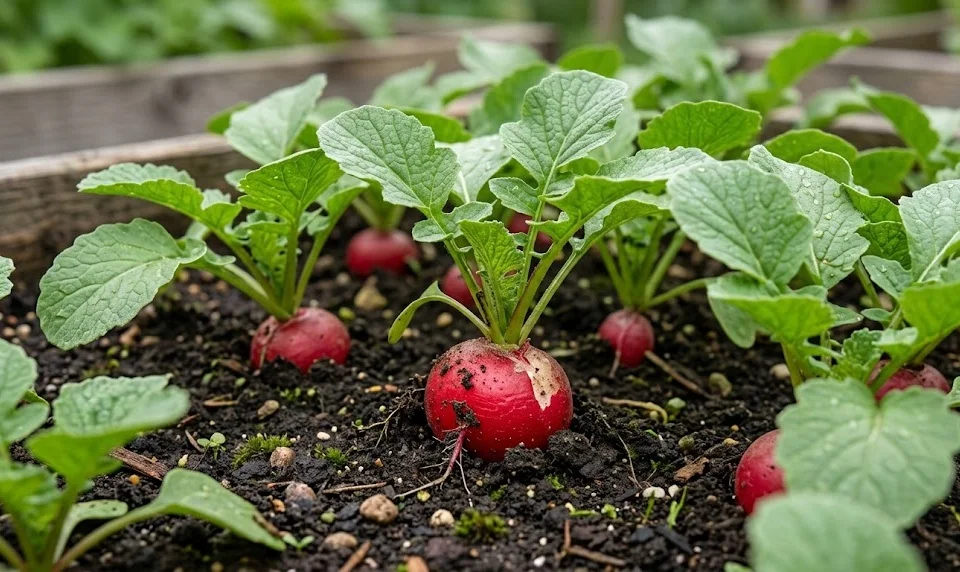

Providing the right balance of water and nutrients is the secret to growing radishes that are both tender and flavorful. You must establish a routine that keeps the soil consistently moist without allowing it to become waterlogged or stagnant. Proper fertilization ensures that the plants have the energy required to grow rapidly during their short life cycle in your garden. By mastering these two aspects of care, you will consistently produce high-quality harvests that outperform store-bought alternatives.
The hydration needs of radishes are unique because of their rapid growth rate and shallow root systems in the soil. You should check the moisture level of your garden beds daily, especially during periods of dry or windy weather. A simple finger test can tell you if the top inch of soil is dry and needs a fresh application of water. Maintaining this steady supply of hydration prevents the roots from becoming tough, woody, or excessively spicy.
Fertilization should be approached with a focus on supporting the overall health of the plant rather than just pushing for size. You should use a balanced organic fertilizer that provides a steady release of nutrients over several weeks of growth. Avoiding excessive nitrogen is crucial because it can lead to beautiful green leaves but very small or non-existent radish bulbs. The goal is to provide enough fuel for the plant to complete its development without causing any nutritional imbalances.
Environmental factors like humidity and sun exposure will influence how often you need to water and fertilize your crops. You should adjust your care routine based on the specific conditions of your garden and the current weather patterns. High temperatures will increase the rate of evaporation, requiring more frequent watering to keep the roots cool and hydrated. Paying attention to these subtle changes will help you become a more intuitive and successful gardener over time.
Consistent moisture requirements
Radishes are composed mostly of water, which explains why they are so sensitive to any fluctuations in soil moisture. You should strive to keep the ground feeling like a wrung-out sponge—moist but never dripping with excess liquid. If the soil dries out, the growth of the radish will stall, leading to a poor texture and a bitter taste. Consistent watering is the most effective way to ensure your radishes maintain their signature crunch and mild flavor.
More articles on this topic
The timing of your watering can make a significant difference in how effectively the plants use the moisture you provide. You should water in the early morning to allow the foliage to dry before the cooler temperatures of the evening arrive. This practice helps to prevent the development of fungal diseases that thrive on wet leaves in the dark. It also ensures that the plants have a full reservoir of water to draw from during the heat of the day.
Deep watering is generally more effective than light sprinkling because it encourages the roots to grow further down into the soil. You should aim to soak the ground so that the moisture reaches a depth of at least four to six inches. This deeper moisture stays in the soil longer and provides a more stable environment for the developing radish bulbs. Even though radishes are shallow-rooted, they benefit greatly from having a reliable source of water below the surface.
Using a rain gauge in your garden can help you track exactly how much water your plants are receiving from natural sources. You should aim for about one inch of water per week, whether it comes from the sky or from your garden hose. If you experience a heavy rainstorm, you may be able to skip a few days of manual watering to let the soil drain. Monitoring the actual conditions prevents you from overwatering and causing potential root rot or other moisture-related issues.
Optimal irrigation methods
Choosing the right irrigation method can save you time and improve the overall health of your radish crop throughout the season. You might consider installing a soaker hose system that delivers water directly to the soil surface along the rows. This method keeps the leaves dry and reduces the amount of water lost to evaporation in the open air. It is a very efficient way to maintain the consistent moisture levels that radishes require for rapid growth.
More articles on this topic
Drip irrigation is another highly effective option that provides precise control over the amount of water each plant receives. You can set up a timer to automate the process, ensuring that your garden stays hydrated even when you are busy elsewhere. This system is particularly useful for larger garden beds where hand-watering would be too time-consuming or physically demanding. Drip systems also help to prevent soil erosion by delivering water at a slow and steady rate.
Hand-watering with a wand or a watering can allows for a more personal and observant approach to garden care. You should use a gentle spray setting to avoid washing away the soil or damaging the delicate young seedlings in the bed. This time spent in the garden allows you to check for pests or diseases while you move between the different rows. Many gardeners find this direct interaction to be one of the most relaxing and rewarding parts of the growing process.
Mulching around your irrigation lines can further enhance the efficiency of your watering routine in the vegetable garden. You should place a layer of organic material over the hoses to keep them cool and protected from the ultraviolet rays of the sun. This mulch also helps to hold the moisture in the soil for a longer period after each irrigation cycle. By combining these methods, you create a highly sustainable and effective water management system for your crops.
Understanding nitrogen needs
Nitrogen is an essential macronutrient that fuels the growth of the green leaves that every radish plant needs to survive. You should provide a modest amount of nitrogen at the beginning of the season to help the seedlings get established. However, you must be careful not to overdo it, as too much nitrogen is a common mistake among home gardeners. When a radish plant has an excess of nitrogen, it focuses all its energy on leaf production rather than the root.
The source of your nitrogen can affect how quickly it becomes available to the plants in your garden soil. You should consider using organic sources like blood meal or well-composted poultry manure for a slow-release effect. These materials break down gradually, providing a steady supply of nutrients over the entire life of the radish crop. Synthetic fertilizers often provide a quick burst of nitrogen that can be too intense for these fast-growing vegetables.
Observing the color and size of the radish leaves can help you determine if your nitrogen levels are correct. You should look for leaves that are a healthy, vibrant green and appear proportional to the size of the developing bulb. If the leaves are pale or yellowish, it may be a sign that the plants are suffering from a nitrogen deficiency. Conversely, dark green and oversized leaves often indicate that there is too much nitrogen present in the soil.
Crop rotation is a natural way to manage the nitrogen levels in your garden beds without using external inputs. You should avoid planting radishes in the same spot where you recently grew heavy nitrogen feeders like corn or broccoli. Instead, try planting them after a crop that leaves the soil relatively balanced or slightly depleted of nitrogen. This cycle helps to prevent the buildup of specific nutrients and keeps your garden soil healthy and productive.
Role of phosphorus and potassium
Phosphorus plays a vital role in the development of a strong root system, which is the most important part of the radish. You should ensure that your soil has adequate phosphorus levels to support the rapid expansion of the radish bulbs below ground. This nutrient helps the plant transfer energy from the leaves down into the storage tissues of the root. A deficiency in phosphorus can lead to stunted growth and small, underdeveloped radishes that are disappointing to harvest.
Potassium is another key nutrient that contributes to the overall vigor and disease resistance of your garden plants. You should make sure your fertilizer includes a good amount of potassium to help the radishes withstand environmental stress. This mineral helps regulate the water balance within the plant cells and improves the quality and flavor of the final crop. Potassium also plays a role in the synthesis of sugars, which makes the radishes taste much better when eaten.
Using a balanced fertilizer with a formula like 5-10-10 can provide the right ratio of nutrients for root-heavy crops. You should look for products that emphasize the second and third numbers, which represent phosphorus and potassium respectively. This type of formulation is much better for radishes than a standard lawn fertilizer which is almost entirely composed of nitrogen. Applying the right balance of minerals ensures that your plants grow evenly and stay healthy throughout their cycle.
Bone meal is an excellent organic source of phosphorus that you can add to your garden beds before planting your seeds. You should mix it into the top few inches of soil where the young roots can easily access the nutrients they need. This natural amendment breaks down slowly and provides a long-lasting benefit to all of the root vegetables in your garden. Using organic minerals is a great way to build long-term soil fertility while growing healthy and delicious food.
Organic fertilization techniques
Organic fertilization focuses on feeding the soil life, which in turn provides the necessary nutrients to your radish plants. You should incorporate plenty of high-quality compost into your garden beds every year to maintain a healthy ecosystem. Compost provides a wide range of trace minerals and beneficial microbes that synthetic fertilizers often lack entirely. This natural approach creates a resilient garden environment that can produce high yields with minimal outside interference.
Compost tea is a liquid fertilizer that you can easily make at home to give your radishes a quick boost of energy. You should steep a bag of finished compost in a bucket of water for several days until the liquid becomes dark and rich. This nutrient-dense tea can be poured directly onto the soil around the base of the plants for immediate absorption. It is a gentle way to provide extra nutrition without the risk of burning the delicate roots of the radish.
Using green manures or cover crops is another effective way to naturally fertilize your garden during the off-season. You can plant clover or vetch in the fall and then till it into the soil before you plant your spring radishes. These plants capture nitrogen from the air and store it in their tissues, which then becomes available to your vegetables as they decompose. This cycle improves the structure of the soil and reduces the need for expensive bagged fertilizers from the store.
Seaweed and kelp extracts are fantastic organic supplements that provide a wealth of micronutrients to your growing radish crop. You should consider using a liquid seaweed spray on the leaves of the plants every few weeks for the best results. These extracts contain growth hormones and minerals that help the plants cope with heat stress and improve their overall flavor. Incorporating these natural marine products into your routine is a great way to enhance the quality of your garden harvest.