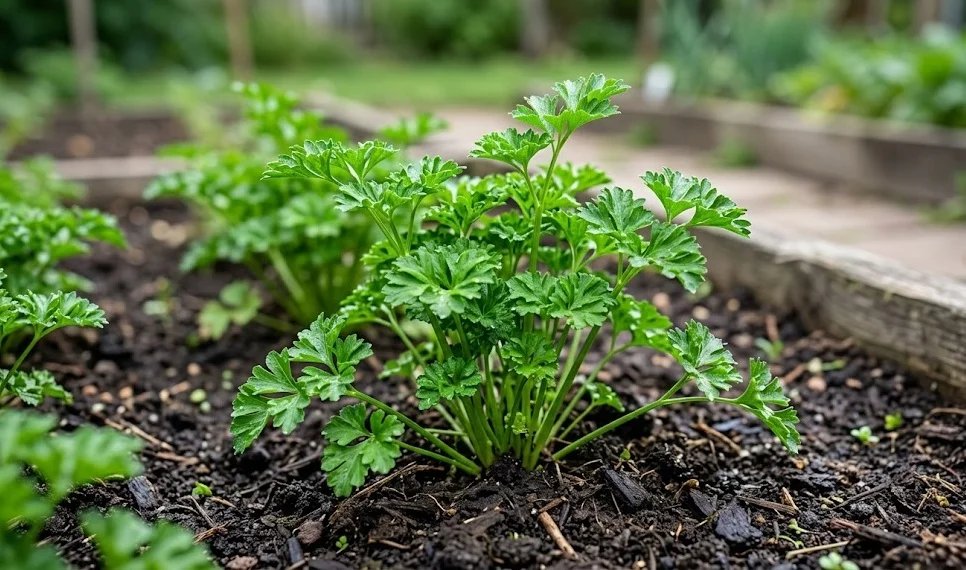

Planting and propagation represent the critical first steps in establishing a successful parsley crop. Because parsley seeds are notoriously slow to germinate, a professional gardener must employ specific techniques to ensure success. This process requires patience, precision, and an understanding of the plant’s unique biological requirements. By mastering these early stages, you set the foundation for a vigorous and high-yielding herb garden.
The journey begins with the selection of high-quality, fresh seeds from a reputable source. Parsley seeds have a relatively short shelf life and their germination rates drop significantly after the first year. Choosing the right variety is equally important, as curly-leaf types are often more ornamental while flat-leaf varieties offer a deeper flavor. Check the packaging for the “packed for” date to ensure you are starting with the most viable material.
Pre-soaking the seeds is a professional secret that can drastically reduce germination time. Because the seeds contain naturally occurring germination inhibitors, soaking them in warm water for twenty-four hours helps wash these away. Some growers even use a very dilute compost tea or a mild seaweed solution for this purpose. After soaking, the seeds should be patted dry and planted immediately to prevent them from drying out again.
Timing your planting is essential to align with the plant’s preference for cooler temperatures. In many regions, the best time to sow seeds directly outdoors is early spring, as soon as the soil can be worked. Alternatively, you can start seeds indoors six to eight weeks before the last expected frost. This head start allows the plants to reach a robust size before the arrival of the summer heat.
Techniques for successful sowing
When sowing parsley seeds, depth and spacing are the two most important factors to consider. The seeds are very small and should only be covered with about an eighth of an inch of fine soil. Planting them too deeply will prevent the tiny sprouts from reaching the surface before their energy reserves are exhausted. A light dusting of vermiculite can help keep the seeds moist without burying them too deeply.
More articles on this topic
Standard row spacing for parsley is usually around twelve to eighteen inches apart to allow for proper air circulation. Within the rows, you can sow seeds thickly and then thin the seedlings to about six inches apart once they have several true leaves. This approach ensures a full stand even if some seeds fail to germinate. Thinned seedlings can often be used as a delicate garnish, so nothing goes to waste.
Soil preparation prior to sowing involves creating a fine, crumbly tilth that allows for easy root penetration. Use a garden rake to remove any large clumps or debris that might obstruct the emerging seedlings. If you are planting in containers, use a high-quality potting mix that provides excellent drainage and aeration. Firm the soil gently after sowing to ensure good seed-to-soil contact, which is vital for moisture uptake.
Managing the environment during the germination phase requires constant attention to moisture levels. The soil must remain consistently damp but not saturated until the first green shoots appear. Using a fine misting spray is better than a heavy watering can, which might wash the tiny seeds away. In sunny areas, a light covering of burlap or horticultural fleece can prevent the soil surface from crusting over.
Managing the germination process
Patience is the primary virtue during the parsley germination period, which can take anywhere from two to four weeks. It is quite common for gardeners to worry when nothing happens after ten days, but this is normal for the species. Keeping the soil temperature between sixty and seventy degrees Fahrenheit provides the optimal conditions for the embryos to stir. If you are starting seeds indoors, a heat mat can help maintain a steady temperature.
More articles on this topic
Once the first “seed leaves” or cotyledons emerge, the plants need an immediate and reliable light source. If they are on a windowsill, they may become “leggy” as they stretch toward the light, so rotating the trays daily is helpful. Fluorescent or LED grow lights positioned just a few inches above the plants are even better for producing sturdy stems. Strong light at this stage prevents weak growth that could fail later in the season.
Thinning is a difficult but necessary task for any professional gardener aiming for the best results. When the seedlings are about two inches tall, identify the strongest individuals and remove their smaller neighbors. Instead of pulling them out, which could disturb the roots of the keepers, use small scissors to snip them off at soil level. This gives each remaining plant the space and resources it needs to develop a thick, healthy crown.
Transitioning indoor seedlings to the outdoor environment must be done gradually through a process called hardening off. Start by placing the trays in a sheltered, shady spot outside for just an hour or two each day. Slowly increase the time and the exposure to direct sunlight over the course of a week. This gradual adjustment prevents transplant shock and ensures that the delicate tissues are prepared for the wind and sun.
Vegetative propagation and alternatives
While seed sowing is the most common method, parsley can technically be propagated through other means under specific conditions. Root cuttings are sometimes attempted by experienced growers, though this is much less common than with other perennials. This involves taking a section of the taproot and encouraging it to produce new shoots in a controlled environment. However, the success rate for this method is generally lower than for seeds.
Dividing established parsley plants is generally not recommended because of the long, sensitive taproot. Unlike many other herbs that spread via runners or shallow roots, parsley does not take well to being split apart. If you attempt division, you must be extremely careful to keep the central root system intact. Most professionals find that simply sowing new seeds every year is more efficient and reliable.
Purchasing nursery-grown transplants is a valid alternative for those who want an immediate harvest. When selecting plants at a garden center, look for those with dark green leaves and no signs of yellowing or pests. Check the bottom of the pot to ensure the roots are not tightly coiled or “pot-bound.” These plants should be transplanted into the garden as soon as possible to minimize the time spent in small containers.
Growing parsley from kitchen scraps is a popular home experiment, though it is not a true propagation method for long-term production. If you place the top of a parsley root in a shallow dish of water, it will often produce new green growth. While this provides a quick garnish, the plant will not develop a new root system or grow into a full-sized herb. It is an interesting educational tool but not a substitute for professional planting techniques.