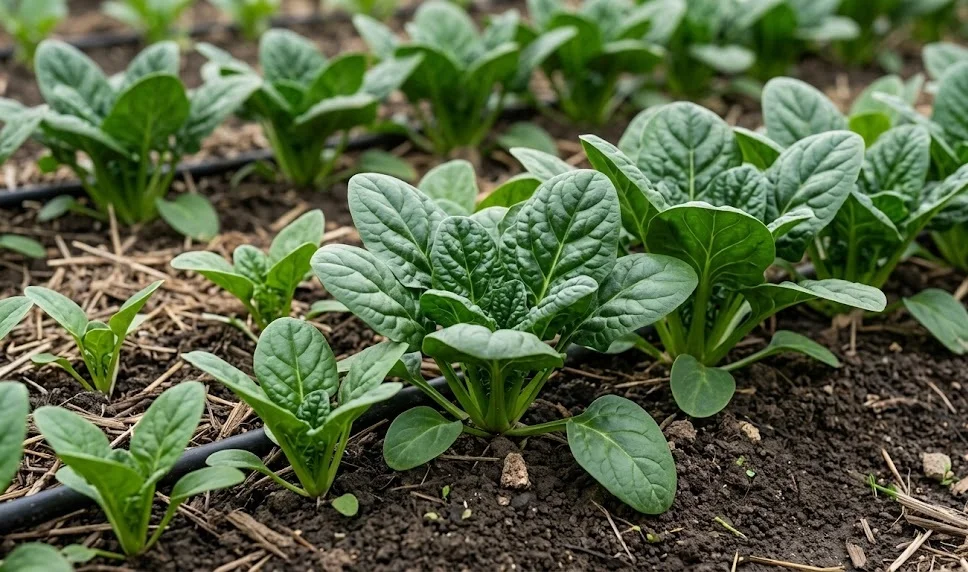

Protecting a spinach crop from the myriad of biological threats it faces requires a proactive and observant approach to garden management. Because of its tender leaves and preference for cool, moist conditions, spinach is a prime target for various fungal pathogens and opportunistic insects. A successful grower must be able to identify the early symptoms of distress and understand the underlying conditions that favor these problems. Through a combination of cultural practices, biological controls, and careful monitoring, it is possible to minimize damage and ensure a high-quality harvest.
Common fungal infections
Downy mildew is perhaps the most significant fungal challenge for spinach growers, particularly in humid or rainy climates. It manifests as pale yellow spots on the upper surface of the leaves, accompanied by a grayish, fuzzy growth on the undersides. This pathogen spreads rapidly through wind and water splashes, making it difficult to control once an outbreak begins. Selecting resistant varieties and ensuring excellent air circulation are the primary defenses against this destructive disease.
Damping-off is a common problem that affects young seedlings shortly after they emerge from the soil. Fungi like Rhizoctonia or Pythium attack the stem at the soil line, causing the seedling to wilt and collapse almost overnight. This usually occurs in soil that is too wet, cold, or high in nitrogen, which softens the plant tissues. Sterilizing seed starting equipment and avoiding over-watering during the germination phase can greatly reduce the incidence of damping-off.
Leaf spot diseases, caused by fungi such as Cercospora or Stemphylium, create small, dark lesions on the foliage that can eventually merge and kill the leaf. These spots often have a distinct border and can significantly reduce the aesthetic and market value of the crop. Like most fungi, these pathogens thrive in wet conditions and can survive on crop debris in the soil between seasons. Rotating crops and removing infected material promptly are essential strategies for breaking the disease cycle.
Fusarium wilt is a soil-borne fungal disease that attacks the vascular system of the spinach plant, preventing water transport. Infected plants often show yellowing of the lower leaves and a general stunted appearance before eventually wilting completely. Because the fungus can persist in the soil for many years, managing this disease requires long-term planning and the use of resistant cultivars. Improving soil drainage and maintaining a balanced pH can also help make the environment less hospitable for Fusarium.
More articles on this topic
Viral threats and symptoms
Spinach blight, often caused by the cucumber mosaic virus, is a serious concern that can decimate an entire crop. Symptoms include mottling of the leaves, yellowing, and a distinct curling or dwarfing of the new growth. In severe cases, the entire plant may turn yellow and die before it reaches a harvestable size. This virus is typically spread by aphids, making pest control an integral part of viral disease management.
Beet curly top virus is another significant threat, often characterized by thickened, stunted leaves that curl upward and inward. The veins on the underside of the leaves may also become prominent and rough to the touch. This virus is transmitted by the beet leafhopper, an insect that migrates into gardens from surrounding wild vegetation. While there are no chemical cures for viral infections, controlling the insect vectors can prevent the spread to healthy plants.
Mosaic viruses often produce a “patchwork” pattern of light and dark green on the leaves, which can be mistaken for nutrient deficiencies at first glance. These viruses interfere with the plant’s ability to photosynthesize effectively, leading to reduced vigor and smaller yields. Prevention relies heavily on using certified virus-free seeds and practicing strict garden hygiene. Tools should be cleaned regularly to avoid mechanical transmission of the virus from one plant to another.
Managing viral diseases is primarily a matter of prevention and exclusion rather than treatment. Once a plant is infected with a virus, it cannot be cured and should be removed and destroyed to protect the rest of the garden. Do not compost virus-infected plants, as some viruses can survive the composting process and return to the garden later. Focusing on the overall health of the ecosystem and maintaining a diverse garden can help buffer the impact of viral outbreaks.
More articles on this topic
Common insect pests
Aphids are small, soft-bodied insects that cluster on the undersides of leaves and suck the sap from the plant. Their feeding can cause leaves to curl and distort, and they also secrete a sticky substance called honeydew that encourages the growth of sooty mold. Beyond physical damage, aphids are notorious for being the primary vectors for many plant viruses. A strong stream of water can often dislodge them, but persistent infestations may require the use of insecticidal soaps or neem oil.
Leafminers are the larvae of small flies that tunnel between the upper and lower surfaces of the spinach leaves. These tunnels, or “mines,” appear as winding white or tan lines that eventually broaden into blotches as the larvae grow. While a few mines may only be a cosmetic issue, heavy infestations can reduce the plant’s photosynthetic capacity and make the leaves unappealing. Removing and destroying infested leaves as soon as the mines are spotted can help reduce the local population of these pests.
Slugs and snails are perhaps the most frustrating pests for spinach growers, especially during damp spring or autumn weather. They feed at night, leaving large, ragged holes in the leaves and telltale silvery slime trails across the soil and foliage. Because they prefer the same cool, moist conditions as spinach, they are often found hiding under mulch or at the base of the plants. Using copper tape, beer traps, or iron phosphate pellets can effectively manage these nocturnal raiders.
Flea beetles are tiny, jumping insects that chew numerous small, round holes in the leaves, often referred to as “shotholes.” While mature spinach can usually tolerate some damage, young seedlings can be quickly overwhelmed and killed by these pests. They are most active in the early spring and are attracted to the succulent growth of new greens. Row covers are an excellent physical barrier that can keep flea beetles away from the plants during their most vulnerable stage of growth.
Preventive measures and cultural controls
Crop rotation is a fundamental tool in the professional gardener’s arsenal for managing pests and diseases. By moving the spinach crop to a different part of the garden each year, you break the life cycle of soil-borne pathogens and specialized pests. Ideally, spinach should not be planted in the same location as related plants like beets or Swiss chard for at least three years. This simple practice significantly reduces the “background” pressure from recurring issues in the garden.
Sanitation is another critical component of disease prevention that is often overlooked. All plant debris from the previous season should be thoroughly removed or buried deep in the soil to prevent pathogens from overwintering. During the growing season, any leaves showing signs of disease should be removed and disposed of properly. Keeping the garden free of weeds also removes alternative hosts for many common spinach pests and viruses.
Proper plant spacing and row orientation can dramatically improve the microclimate around the spinach foliage. Maximizing air movement helps the leaves dry faster after dew or rain, which is the single most effective way to prevent fungal infections. In regions with high humidity, wider spacing between individual plants is recommended to ensure that air can reach every part of the canopy. Correct orientation of the rows to align with prevailing winds can also enhance this natural drying effect.
Using high-quality, disease-resistant varieties is one of the most proactive steps a gardener can take. Plant breeders have developed many cultivars that are specifically resistant to multiple strains of downy mildew and other common ailments. While these seeds may be slightly more expensive, the reduction in crop loss and the decreased need for chemical interventions make them a wise investment. Always check the seed packet or catalog for specific resistance codes before making a purchase.
Integrated pest management
Integrated Pest Management (IPM) is a holistic approach that combines multiple strategies to manage pests with the least possible impact on the environment. The first step in IPM is regular monitoring or “scouting” of the crop to identify problems before they reach a critical level. By understanding the life cycles of common pests, you can time your interventions for maximum effectiveness. This approach prioritizes mechanical and biological controls over the use of broad-spectrum chemical pesticides.
Encouraging beneficial insects, such as ladybugs, lacewings, and parasitic wasps, can provide natural control of aphid and leafminer populations. Providing a variety of flowering plants near the spinach patch can attract these “garden allies” and give them a place to live. When the ecosystem is in balance, these predatory insects can often keep pest numbers below the threshold of significant damage. Avoiding the use of harsh chemicals helps protect these beneficial populations and maintains the natural order of the garden.
Physical barriers, such as floating row covers, are incredibly effective at preventing insects like flea beetles and leafminer flies from reaching the crop. These lightweight fabrics allow light and water to pass through but act as a shield against many common pests. Row covers must be installed immediately after planting or thinning and secured tightly to the ground to be truly effective. This “exclusion” method is particularly useful for early-season crops when pest pressure is often at its peak.
As a last resort, organic or targeted pesticides may be used if pest populations exceed an acceptable level. Products like Bacillus thuringiensis (Bt) for caterpillars or neem oil for sucking insects are relatively safe and have a low impact on non-target species. Always follow the label instructions carefully and apply these products in the evening to avoid harming bees and other pollinators. The goal of IPM is not to eliminate every bug but to manage the garden so that the spinach remains healthy and productive.