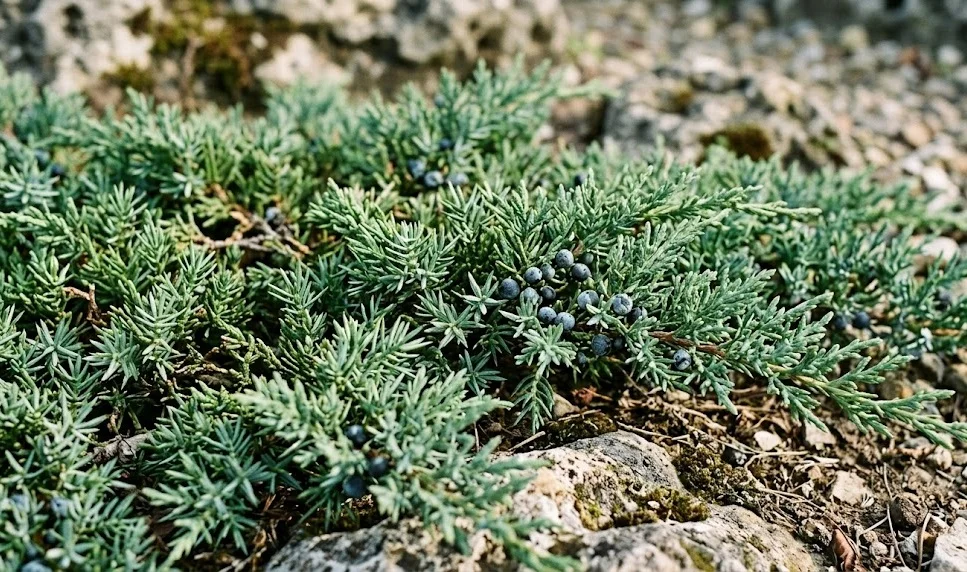

The growth and vitality of the savin juniper are deeply influenced by the amount of light it receives throughout the day. In its natural mountain habitat, this shrub is often found on open, sun-drenched slopes where it can soak up every bit of available solar energy. For the home gardener, replicating these conditions is essential for maintaining the dense, healthy foliage that defines the species. By understanding and respecting the plant’s light requirements, you can ensure it remains a beautiful and resilient part of your outdoor space.
Full sun is the gold standard for this species, generally defined as at least six to eight hours of direct, unfiltered sunlight each day. This level of exposure provides the energy needed for robust photosynthesis, which in turn supports the development of strong branches and vibrant needles. In lower light conditions, the plant may begin to struggle, showing signs of sparse growth and a loss of its characteristic compact form. Selecting the brightest possible spot in your garden is the best way to set your juniper up for long-term success.
Light also plays a critical role in managing the health and disease resistance of the shrub’s foliage. Direct sunlight helps to dry the needles quickly after rainfall or morning dew, which significantly reduces the risk of fungal infections. Pathogens that thrive in cool, damp conditions are much less likely to take hold on a plant that is frequently bathed in warm sun. This natural preventative measure is one of the many reasons why proper siting is so important for evergreens in any landscape.
While the plant is hardy and adaptable, its light needs are non-negotiable if you want to achieve the best aesthetic results. A juniper grown in too much shade will never reach its full potential and may eventually become a liability in the garden. By carefully observing the movement of the sun across your property, you can find the perfect location for this light-loving shrub. A professional approach to light management ensures a healthy, vibrant, and low-maintenance specimen for decades to come.
The importance of full sun exposure
When a savin juniper is given the full sun it craves, it responds with a growth habit that is both dense and structurally sound. The intense light triggers the production of more lateral buds, which leads to the thick, carpet-like appearance that many gardeners desire. This density is not just for show; it also helps the plant suppress weeds and protect the soil beneath its branches. Without enough light, the plant will focus its energy on growing toward the sun, resulting in long, thin branches that lack aesthetic appeal.
More articles on this topic
The color of the needles is another aspect of the plant’s beauty that is directly tied to the amount of sunlight it receives. In full sun, the foliage will maintain its deepest and most vibrant green, and in some cultivars, its unique blue or silver tones. If the light is insufficient, the needles may take on a dull, yellowish, or even pale green color as the plant struggles to photosynthesize effectively. Maintaining the right light levels is the easiest way to ensure your juniper remains a visually striking element in your landscape.
Full sun exposure also contributes to the overall hardiness and stress tolerance of the shrub throughout the year. The energy stored during the sunny summer months is what the plant uses to survive the winter and to push out new growth in the spring. A plant that is “light-starved” during the growing season will be much more susceptible to damage from pests, diseases, and extreme weather. Investing in a sunny location is essentially investing in the long-term health and resilience of your plant.
In a professional landscape design, the savin juniper can be used to anchor sunny borders or to provide a low-maintenance ground cover on open banks. Its ability to thrive in the heat and intensity of the midday sun makes it a valuable asset for difficult, south-facing sites. When you see a juniper thriving in a hot, dry, and sunny spot, you are seeing the plant in its most natural and healthy state. Embracing this light-loving nature is the key to successful juniper cultivation in any garden.
Effects of partial shade on foliage
While the savin juniper is relatively adaptable, placing it in partial shade will inevitably lead to changes in its growth and appearance. Partial shade is generally considered to be areas that receive between three and six hours of direct sun, or filtered light throughout the day. In these conditions, you may notice that the plant becomes more “leggy,” with greater distances between the clusters of needles on the branches. This is the plant’s way of stretching to reach more light, but it results in a less attractive and less dense shrub.
More articles on this topic
The interior branches are the first to show the negative effects of reduced light, often becoming bare and brown as the plant sheds its least productive needles. This thinning of the canopy can make the shrub look hollow and unattractive over time, especially if it is being used as a specimen plant. Once the internal foliage is lost due to shade, it is very difficult to encourage it to grow back, even if the light conditions are later improved. This is why getting the initial placement right is so critical for the long-term look of the plant.
Reduced light also means that the plant will stay wet for longer periods after rain or irrigation, which can lead to an increase in pest and disease problems. For example, spider mites often prefer the more sheltered and less intense light of a partially shaded plant. Fungal issues like tip blight can also become more prevalent when the foliage doesn’t have the chance to dry out completely in the sun. If you must plant in partial shade, you will need to be much more vigilant about monitoring for these issues.
If your garden only offers partial shade, you may want to consider other evergreen species that are more naturally adapted to lower light levels. While the savin juniper can survive in these conditions, it will rarely thrive or look its best compared to its sun-grown counterparts. However, if you already have a juniper in a shaded spot, you can help it by pruning away overhanging branches from other trees to let in more light. Small adjustments to the surrounding environment can sometimes make a big difference in the health of your shrub.
Managing light in crowded gardens
In a maturing garden, light levels can change over time as trees grow taller and other shrubs expand their footprints. What was once a full-sun location for your savin juniper may slowly become a shaded corner as the years go by. It is important to periodically reassess the light levels in your garden and to make adjustments to ensure your evergreens are still getting what they need. This dynamic approach to garden management is what keeps a landscape looking professional and well-cared-for over the long term.
One way to manage light in a crowded garden is through the selective thinning of the canopy of larger nearby trees. By removing a few strategic branches, you can allow “dappled” sunlight to reach the plants below without sacrificing the shade and beauty of the larger trees. This can provide enough extra energy to keep your juniper healthy and dense even as the garden becomes more established. It is a subtle but effective technique that requires a good eye for the movement of light and shadow.
The placement of hardscape elements, like walls and fences, can also influence the amount of light your plants receive through reflection. A light-colored wall can reflect a significant amount of extra solar energy onto a nearby juniper, helping it thrive even if the direct sun is limited. On the other hand, a dark-colored fence can absorb heat and create a microclimate that might be too intense for some plants. Considering these factors during the planning stage allows you to use your garden’s physical features to your advantage.
If you find that a juniper is truly struggling due to a lack of light, the best course of action may be to move it to a sunnier location. While transplanting a mature shrub is a significant task, it is often better than watching the plant slowly decline in the shade. Late autumn or early spring is the best time for such a move, giving the roots time to settle in before the heat of summer. Your willingness to respond to the changing needs of your plants is what will ensure your garden remains a success for many years to come.