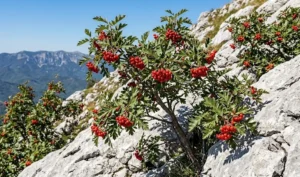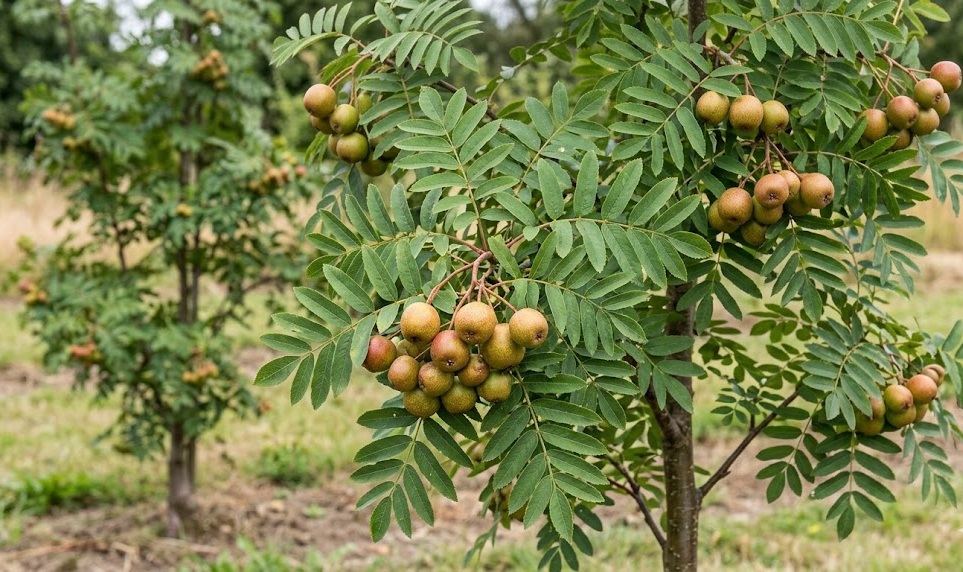

Maintaining a service tree requires a blend of patience and specific horticultural knowledge to ensure its longevity. This majestic species is known for its slow growth and exceptional wood quality, making it a valuable addition to any landscape or orchard. Successful cultivation begins with understanding the fundamental biological needs of the plant during its different life stages. By providing the right conditions, you can enjoy its unique foliage and historical significance for many decades to come.
Consistency is the most vital factor when it comes to the general well-being of this particular species. You must observe the tree regularly to identify any subtle changes in leaf color or growth patterns. These visual cues often signal the need for adjustments in environmental management or nutritional support. A proactive approach prevents minor issues from escalating into significant health problems for the specimen.
Soil management plays a central role in the long-term success of your horticultural efforts with this tree. The ground surrounding the root zone should be kept permeable to allow for proper gas exchange and moisture penetration. Compaction is a common enemy that can lead to root suffocation and a general decline in the tree’s vigor. Regularly aerating the top layer of the soil helps maintain an ideal environment for the root system to expand.
The surrounding vegetation must be managed carefully to reduce competition for essential resources. Grass and weeds should be kept away from the trunk base, especially during the first few years of establishment. This practice ensures that the tree receives the full benefit of any water or nutrients applied to the area. A clear zone also reduces the risk of mechanical damage from lawn maintenance equipment during the growing season.
Environmental requirements for optimal development
Selecting the right location is the first step in ensuring a healthy life for your service tree. These plants thrive in areas that offer deep, well-drained soil with a significant mineral content. They are particularly fond of calcareous environments, where the pH balance supports their natural metabolic processes. Avoiding waterlogged sites is essential, as the roots are sensitive to prolonged exposure to anaerobic conditions.
More articles on this topic
Air circulation is another factor that experts must consider when managing the environment of this species. Good airflow reduces the humidity around the canopy, which in turn minimizes the risk of fungal infections. You should avoid planting these trees in deep hollows where cold, damp air tends to stagnate for long periods. A slightly elevated position often provides the natural ventilation necessary for a robust and healthy specimen.
Microclimatic conditions can significantly influence the growth rate and fruit quality of the tree. While the species is quite hardy, it appreciates protection from harsh, drying winds that can damage young shoots. Strategic placement near windbreaks or within a diverse orchard setting can provide the necessary shelter. This protection allows the tree to focus its energy on structural development rather than environmental stress recovery.
Soil temperature also impacts the timing of biological activities such as bud burst and root expansion. Mulching the area around the base can help regulate these temperatures throughout the changing seasons. During the summer, a layer of organic material keeps the roots cool and moist, while in winter, it provides a buffer against extreme fluctuations. This thermal stability is a key component of professional care for high-value deciduous trees.
Supporting the structural integrity of young specimens
During the initial years after planting, the service tree requires physical support to grow straight and strong. Using sturdy stakes is a common practice to prevent the sapling from leaning due to wind or heavy snow. You must ensure that the ties used are flexible and do not cut into the bark as the trunk expands. Regularly checking these supports allows for timely adjustments as the tree gains its own structural stability.
More articles on this topic
The development of a strong central leader is essential for the future architecture of the canopy. You should monitor the growth of competing branches and make minor corrections to guide the tree’s form. This early intervention reduces the need for heavy pruning in later years, which can be stressful for the plant. A well-balanced structure ensures that light can reach all parts of the foliage during the growing season.
Trunk protection is often necessary to guard against physical damage from wildlife or environmental factors. In rural areas, deer or rodents can cause significant harm by stripping the bark from young trees. Installing a protective mesh or guard around the lower portion of the trunk is a simple yet effective preventative measure. This shield remains in place until the bark becomes thick and corky enough to withstand such pressure.
Monitoring the growth rate provides valuable data on whether the tree is receiving adequate care. You can measure the annual extension of the branches to gauge the overall health and vitality of the specimen. Slow or stunted growth might indicate a deficiency in nutrients or an issue with the local soil environment. Professional growers keep detailed records of these observations to refine their management techniques over time.
Mulching and moisture retention strategies
Applying a thick layer of organic mulch is one of the most beneficial actions you can take for a service tree. Materials such as wood chips, shredded bark, or well-rotted compost work perfectly for this purpose. The mulch layer should be several inches thick but kept a few inches away from the actual trunk. This gap prevents moisture from being trapped against the bark, which could lead to rot or fungal issues.
The primary function of mulching is to preserve the moisture levels within the soil profile. By reducing evaporation from the surface, you ensure that more water is available for the tree’s root system. This is particularly important during the hot summer months when the demand for hydration is at its peak. A consistent moisture level promotes steady growth and reduces the stress associated with periodic drought.
As the organic mulch breaks down, it slowly releases essential nutrients into the soil. This natural fertilization process mimics the forest floor environment where these trees originally evolved. It encourages the growth of beneficial microorganisms and earthworms that improve the overall soil structure. Over time, this creates a rich, fertile zone that supports the long-term nutritional needs of the tree.
Mulch also serves as a natural barrier against the growth of competing weeds and grasses. By blocking sunlight from reaching the soil surface, it prevents weed seeds from germinating and taking hold. This reduces the need for manual weeding or the application of herbicides around the base of the tree. Maintaining a clean mulch ring is a hallmark of professional horticultural care and aesthetic management.
Harvesting and fruit management techniques
The fruits of the service tree are unique and require specific handling to be useful for consumption. They are typically harvested in late autumn when they have reached their full size and characteristic color. However, at this stage, they are often still firm and astringent due to high tannin levels. You must understand the process of bletting, which involves letting the fruit over-ripen until it becomes soft and sweet.
Proper harvesting involves picking the fruit clusters carefully to avoid damaging the fruiting spurs. These spurs are responsible for future crops, so rough handling can negatively impact the yield in subsequent years. Using a ladder or specialized fruit pickers allows you to reach the higher branches without putting stress on the limbs. Collecting the fruit before the first hard frost is generally recommended for the best results.
Once harvested, the fruits should be spread out in a cool, dry place to begin the softening process. You can store them in shallow crates or on straw mats to ensure adequate air circulation between the individual fruits. During this period, the internal chemistry of the fruit changes, making it palatable and aromatic. Regularly checking the stock allows you to remove any spoiled items before they affect the rest of the harvest.
Managing the fruit load is also important for the overall health and longevity of the tree. In years with an exceptionally heavy crop, the weight of the fruit can put significant stress on the branches. Thinning the fruit early in the season can help prevent limb breakage and ensure that the remaining fruits reach a better size. This practice also helps in maintaining a consistent annual production and prevents biennial bearing patterns.
Seasonal care and annual maintenance cycles
The care of a service tree follows a distinct rhythm dictated by the changing seasons. In the spring, your focus should be on monitoring the new growth and checking for any signs of winter damage. This is also the ideal time to apply a balanced fertilizer if the soil tests indicate a need for supplements. Ensuring adequate hydration as the leaves begin to unfurl is crucial for a strong start to the season.
During the summer, the main task is managing moisture levels and protecting the tree from heat stress. You should check the soil moisture regularly, especially during extended periods of dry weather or extreme heat. Deep watering is more effective than frequent shallow applications, as it encourages the roots to grow deeper into the soil. Monitoring for pests and diseases is also a high priority during these warm, active months.
Autumn brings the tasks of harvesting and preparing the tree for its period of dormancy. You should clean up any fallen fruit or debris from around the base of the tree to reduce overwintering sites for pests. This is also a good time to refresh the mulch layer and ensure the trunk protection is in good condition. Assessing the overall growth achieved during the year helps in planning for the upcoming dormant season.
In winter, the tree is dormant, but the work of a professional gardener does not stop entirely. This is the best time for structural pruning while the absence of leaves allows for a clear view of the branch framework. You should also check for any physical damage caused by storms or ice and make necessary repairs. Planning for the next growing season and ordering any necessary supplies ensures that you are ready when spring arrives.
Long-term health monitoring and vitality
Keeping a service tree healthy over several decades requires a commitment to regular observation and data collection. You should take note of any recurring issues or patterns that appear in the tree’s development over the years. Changes in leaf size, canopy density, or the timing of flowering can all provide insights into the tree’s internal state. These records are invaluable for making informed decisions about care and intervention strategies.
Soil health should be assessed periodically through professional testing to ensure nutrient levels remain balanced. Over time, the tree may deplete certain minerals, or the soil pH might shift due to environmental factors. Adjusting the fertilization program based on these tests ensures that the tree always has access to what it needs. A healthy soil environment is the foundation upon which the entire vitality of the tree is built.
As the tree reaches maturity, its care requirements may shift from growth promotion to maintenance and preservation. Older specimens may require more attention to deadwood removal and canopy thinning to maintain their vigor. You must be careful not to over-prune mature trees, as their ability to recover from large cuts decreases with age. Gentle, consistent care is the key to preserving these living monuments for future generations.
Finally, staying informed about regional pests or diseases that might affect the species is a part of professional care. New threats can emerge due to climate change or the movement of plant materials across borders. By being aware of these risks, you can take preventative measures or act quickly if an infestation occurs. Protecting a service tree is not just about the individual plant, but also about preserving a piece of natural and cultural heritage.