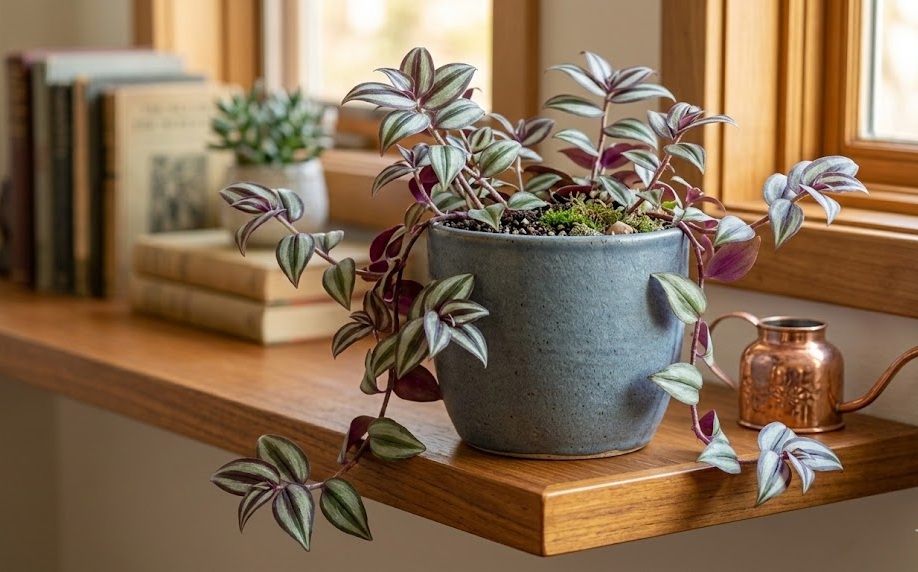

Preparing your indoor garden for the colder months is a crucial task that ensures your tropical species survive the drastic changes in light and temperature. You must acknowledge that the silver inch plant enters a state of semi-dormancy when the days shorten and the ambient heat levels fluctuate. This transition requires a fundamental shift in your care philosophy, moving from encouraging growth to prioritizing stability and protection. By making these adjustments early in the autumn, you can prevent the common winter setbacks that often lead to the loss of established specimens.
The primary challenge during the winter is the significant reduction in natural light intensity and duration, which directly affects the plant’s metabolic rate. You should move your plants as close to south-facing windows as possible to maximize the limited sunlight available during the short days. If your home is naturally dark, consider supplementing with full-spectrum LED grow lights to maintain the plant’s health and prevent excessive leggy growth. Without adequate light, the plant will produce weak, pale stems that are highly susceptible to breakage and disease.
Temperature stability is equally important, as the silver inch plant is extremely sensitive to cold drafts and sudden drops in the thermometer. You must ensure that the plant is kept in a room where the temperature remains consistently above fifteen degrees Celsius at all times. Avoid placing the pot on cold windowsills at night or near external doors that are frequently opened to the freezing winter air. Providing a stable, warm environment allows the plant to maintain its cellular integrity and avoid the stress of thermal shock.
Humidity management becomes a significant concern when central heating systems are activated, as they tend to strip the moisture from the indoor air. The resulting dry atmosphere can cause the delicate leaves to turn brown at the edges or even drop off entirely in severe cases. You should use all available methods, from pebble trays to room humidifiers, to keep the moisture levels around sixty percent. Grouping your plants together can also create a beneficial microclimate that helps everyone survive the drying effects of the winter season.
Adjusting the watering and feeding schedule
The most important change you must make during the overwintering period is to drastically reduce the frequency of your watering routine. Because the plant is growing much more slowly and the light levels are lower, it uses far less water than it does during the summer. You should wait until the soil is dry at least halfway down the pot before you even think about picking up the watering can. Over-watering during the winter is the fastest way to cause root rot and the eventual death of your prized collection.
More articles on this topic
Fertilizing should be completely suspended from late autumn until the first signs of vigorous growth appear in the early spring. Providing nutrients when the plant is not actively growing can lead to a toxic buildup of salts in the soil and can force weak, unnatural expansion. The plant needs this period of rest to recharge its energy reserves and prepare for the next season of rapid development. Trust in the natural cycle of the species and resist the urge to “help” the plant with chemicals during its dormant phase.
When you do water, make sure the liquid is at room temperature to avoid shocking the root system with a cold blast. The roots are less active and more sensitive during the winter, so any additional stress can have a disproportionate impact on their health. You should also water earlier in the day to allow any moisture on the soil surface to evaporate before the cooler night temperatures arrive. This simple timing adjustment can significantly reduce the risk of fungal development in the pot during the damp winter months.
Monitoring the weight of the pot is an excellent way to judge the moisture levels without constantly sticking your finger into the soil. A dry pot will feel remarkably light, while one that still has moisture in the root zone will have a noticeable heft to it. You will soon learn to recognize the “empty” weight of your specific containers, making the watering process more intuitive and less prone to error. This non-invasive method is particularly helpful during the winter when the plant’s systems are most delicate and prone to disturbance.
Protecting the foliage from winter stressors
Physical placement within the home can make the difference between a thriving plant and one that merely survives until the spring. You should keep the vines away from direct contact with cold glass surfaces, as the temperature right next to the window can be many degrees lower than the rest of the room. At the same time, make sure the plant is not too close to radiators or heat vents, as the direct heat can scorch the leaves and dry out the soil too quickly. Finding a “goldilocks” spot with indirect light and stable air is your main goal for the winter.
More articles on this topic
Dust accumulation on the leaves is a more serious problem in the winter because the plant already has so little light to work with for photosynthesis. You should make it a habit to gently wipe the leaves with a soft, damp cloth every few weeks to keep the stomata clear and the silver patterns bright. This also gives you a chance to inspect the vines closely for any signs of winter pests like spider mites that thrive in dry air. A clean plant is better equipped to handle the stresses of the season and will look much more attractive in your living space.
If you notice the plant starting to look thin or leggy despite your best efforts, resist the urge to perform heavy pruning during the winter. Removing large amounts of foliage when the plant is dormant can be very stressful and may lead to a slow recovery in the spring. Instead, wait until the days begin to lengthen in March before you do any significant shaping or cutting back of the vines. Small, strategic pinches to remove dead leaves are perfectly fine, but major interventions should be saved for the active growing season.
Winter is the perfect time to plan for the coming year and to prepare your tools and supplies for the spring rush. You can clean and sterilize your pots, stock up on high-quality potting soil, and research new propagation techniques you want to try. By focusing on the administrative side of gardening during the dormant months, you ensure that you are ready to hit the ground running when the first signs of spring appear. This proactive mindset keeps you connected to your hobby even when the garden outside is covered in snow.
Recognizing and reacting to winter problems
One of the most common signs of winter stress is the yellowing and dropping of the older leaves near the base of the stems. While this can be alarming, it is often just a natural reaction as the plant reallocates its limited resources to the most important growth points. If the loss is gradual and the rest of the plant looks healthy, there is usually no need for panic or drastic changes to your routine. Simply remove the dead leaves to keep the area clean and continue providing consistent, moderate care to the rest of the vines.
If the plant begins to wilt despite the soil being moist, you may be facing the early stages of cold-induced root rot. This occurs when the roots are too cold to function properly and the soil remains wet for too long, allowing pathogens to take hold. In this situation, you must move the plant to a warmer location immediately and stop all watering until the soil has dried out completely. You may also need to check the drainage holes to ensure they are not blocked by compacted soil or debris.
Leggy, stretched-out growth is a clear indicator that the plant is not receiving enough light to maintain its compact form. While this is common in the winter, you can mitigate the effect by moving the plant to a brighter spot or by adding a simple LED light nearby. Do not try to fix the problem with more water or fertilizer, as this will only exacerbate the issue and lead to even weaker stems. Understanding that the plant is simply doing its best to reach for the light will help you respond with the correct environmental adjustments.
Finally, keep a close watch for the sudden appearance of pests like spider mites, which can explode in population during the dry winter months. If you see fine webbing or stippling on the leaves, treat the plant immediately with a gentle insecticidal soap or neem oil spray. Increasing the local humidity will also help prevent the mites from returning and will make the environment much more comfortable for the plant. By staying alert and reacting quickly, you can ensure your silver inch plant makes it through the winter and returns to its full glory in the spring.