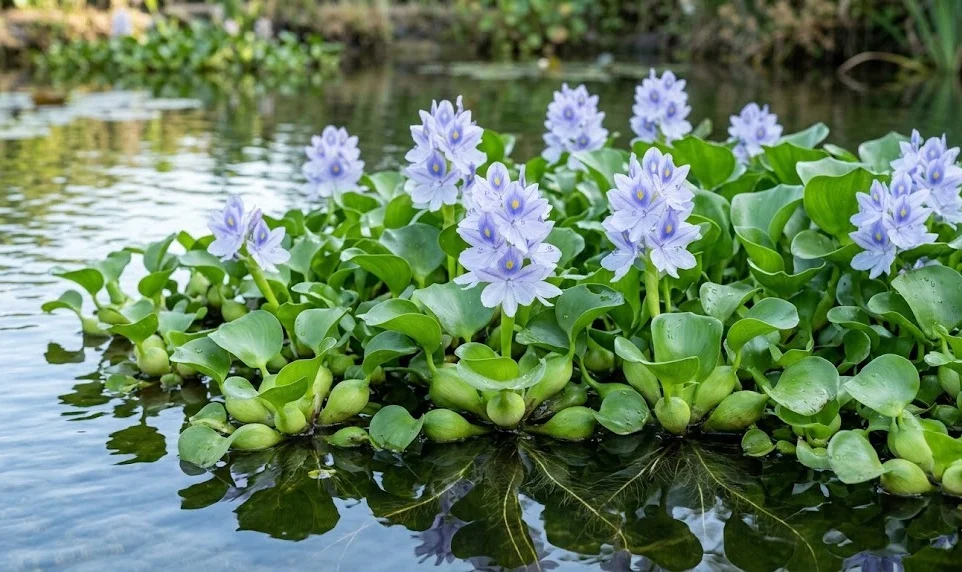

Overwintering water hyacinth is challenging because the plant is naturally adapted to warm conditions and active aquatic growth. In cold climates, it usually cannot survive outdoors through freezing weather, so growers must either treat it as a seasonal plant or bring selected specimens indoors. Successful overwintering depends on warmth, strong light, clean water, and realistic expectations. The goal is not lush winter growth but keeping a small number of healthy crowns alive until outdoor conditions return.
Deciding whether overwintering is worthwhile
Water hyacinth is often inexpensive and fast-growing, so many gardeners replace it each spring. Overwintering can still be worthwhile when good specimens are available, when local supply is uncertain, or when a grower wants continuity from year to year. It can also be useful for maintaining plants in a controlled educational or display collection. The decision depends on available indoor space and the ability to provide enough light.
The plant should not be overwintered in large numbers. A few compact, healthy rosettes are easier to manage than a crowded mass. Dense indoor plantings quickly produce decay because winter light is weaker and water volume is often limited. Selecting the strongest plants before frost gives the best chance of success.
Outdoor overwintering is only possible in climates where water remains warm enough and does not freeze. Even brief exposure to frost can severely damage foliage. Cold water slows root function and can lead to rot even before ice forms. In temperate regions, plants should be moved before nights become consistently cold.
Legal and ecological considerations still apply during overwintering. Plants should not be moved between natural water bodies or released after indoor storage. Any discarded material must be handled responsibly. Keeping the plant through winter does not remove the need for careful containment.
More articles on this topic
Preparing plants before bringing them indoors
Choose plants with firm crowns, active central growth, and roots that do not smell rotten. Avoid bringing in weak, overcrowded, or pest-infested specimens. Damaged leaves can be trimmed before the plant is moved. Starting with clean plant material reduces winter losses.
Rinse the roots gently in pond water or dechlorinated water to remove loose debris. Do not scrub aggressively because roots are easily damaged. Check for snails, insect clusters, and decaying plant parts. This inspection helps prevent pests and sludge from entering the indoor container.
Shortening very long roots can make handling easier, but heavy root pruning should be avoided. A modest trim of tangled or decaying root ends is usually enough. Healthy root mass supports nutrient uptake during the transition indoors. Plants with no functional roots often struggle in winter.
The indoor container should be ready before the plants are moved. Use a clean tub, aquarium, or wide basin that allows the rosettes to float naturally. The water should be deep enough for roots to hang freely. Crowns must remain above the surface to reduce the risk of rot.
More articles on this topic
Indoor light, temperature, and water care
Light is the most difficult indoor requirement. Water hyacinth needs bright conditions even when it is only being maintained. A sunny window may be enough in mild winter regions, but many homes are too dim. Supplemental grow lights greatly improve the chance of survival.
Temperature should remain consistently warm. Cool rooms, unheated porches, and drafty windowsills often cause decline. The plant performs best when water and air temperatures remain comfortably above cold-stress levels. Stable warmth is more important than brief daytime heat followed by cold nights.
Water must be kept clean without becoming sterile and nutrient-free. Remove yellowing leaves immediately because decay spreads quickly in indoor containers. Partial water changes can prevent odor and stagnation. Use water that is not drastically colder than the container water to avoid shocking the roots.
Fertiliser should be used sparingly indoors. Weak winter light limits growth, so heavy feeding can lead to algae and soft, unhealthy tissue. If new leaves are pale despite warmth and good light, a very dilute aquatic plant fertiliser may help. Feeding should always be followed by observation rather than repeated automatically.
Returning plants outdoors in spring
Spring reintroduction should be gradual. Plants kept indoors have softer leaves and may scorch if placed immediately in intense sun. Begin with sheltered outdoor conditions during warm days and bring plants back inside if nights are cold. Gradual acclimation helps the leaves adjust to stronger light and temperature fluctuations.
Wait until water temperatures are reliably warm before permanent placement. Air warmth alone can be misleading if the pond water remains cold. Cold water can stall growth and trigger yellowing even after the plant survived winter indoors. Patience usually produces better results than early placement.
Inspect plants carefully before returning them to a pond. Remove weak leaves, check roots, and discard any rosettes with soft crowns. A small healthy plant will recover faster than a larger plant carrying decaying tissue. Clean starting material also protects pond water quality.
Once outdoor growth resumes, normal care can begin again. Provide bright light, maintain water quality, and thin daughter plants as they appear. Do not overcompensate for winter weakness with excessive fertiliser. With warmth and sunlight, surviving crowns usually regain vigor quickly.