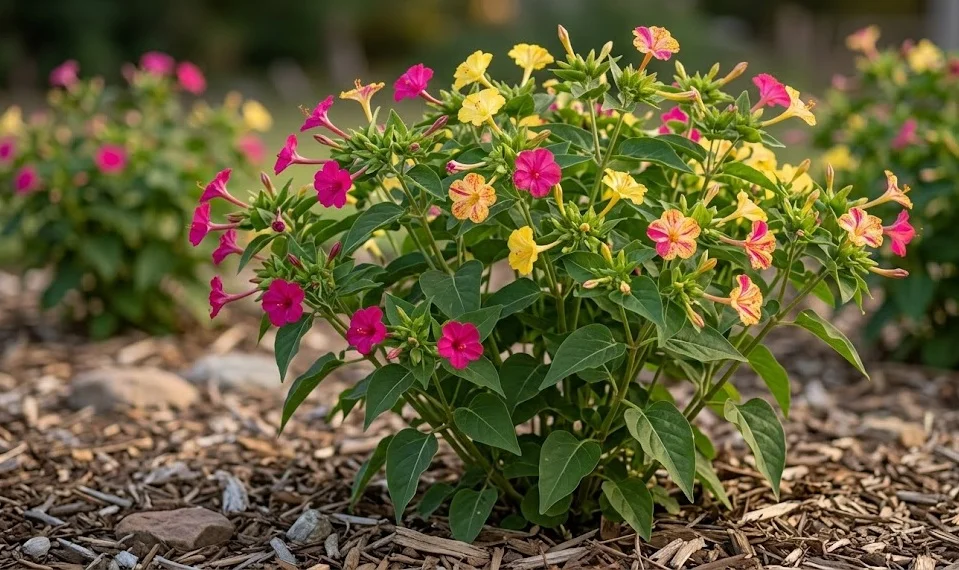

While these plants are remarkably hardy, they can occasionally attract various unwanted insect pests. Identifying these pests early is essential for preventing widespread damage to your beautiful flower beds. Regular inspections of the undersides of leaves help you catch infestations before they multiply out of control. Understanding your enemy allows you to choose the most effective and targeted control methods.
Aphids are tiny, soft-bodied insects that frequently cluster on tender new growth and flower buds. They suck vital sap from the plant tissues, causing leaves to curl and distort strangely. You might also notice a sticky residue called honeydew on the lower foliage surfaces. This residue can attract ants and encourage the growth of unsightly black sooty mold.
Spider mites are another common nuisance, especially during hot, dry summer weather spells. These microscopic pests cause fine yellow speckling on the leaves, which eventually turn bronze and drop. You may detect delicate webbing on the stems when the infestation becomes severe. Increasing humidity around the plants helps discourage these pests from establishing large colonies.
Leaf miners can sometimes create winding white trails inside the layers of the leaves. While this damage is mostly cosmetic, severe cases can weaken the plant’s photosynthetic capacity. Snipping off and destroying the affected leaves keeps the population from spreading to healthy foliage. Knowing what to look for keeps your evening garden looking pristine and vibrant.
Organic pest control solutions
Controlling pests using organic methods protects beneficial insects like bees and butterflies in your garden. A strong blast of water from the garden hose can dislodge aphids and spider mites effectively. This simple mechanical control method is surprisingly efficient when repeated over a few consecutive days. It removes the pests immediately without introducing harsh chemicals into the local environment.
More articles on this topic
Insecticidal soap sprays are excellent organic options for managing soft-bodied insect infestations safely. These sprays work on contact by disrupting the outer cellular membranes of the targeted pests. Apply the solution during the cool morning or evening hours to avoid burning the leaves. Ensure thorough coverage of all plant surfaces, including the hidden undersides of leaves.
Neem oil is another highly effective natural treatment that disrupts the life cycles of many pests. It acts as a systemic deterrent that prevents insects from feeding and reproducing normally. Regular applications can also help suppress certain fungal spores on the leaf surfaces simultaneously. Using these natural remedies maintains a healthy ecological balance in your backyard sanctuary.
Encouraging natural predators like ladybugs and lacewings provides continuous, effortless pest control for you. Planting a diverse variety of flowers attracts these beneficial insects to your yard permanently. They will happily feast on aphids and mites, keeping pest populations under control naturally. Partnering with nature reduces your workload while protecting the environment beautifully.
Fungal infections and prevention
Fungal diseases can occasionally affect the appearance and health of your evening blooming plants. Powdery mildew is a common fungal issue that manifests as a white, dusty coating on leaves. It typically thrives in warm, humid conditions with poor air circulation around the branches. Preventing this issue involves proper plant spacing and avoiding overhead watering practices completely.
More articles on this topic
Leaf spot diseases can cause brown or black circles to form on mature foliage. These spots expand gradually and can cause affected leaves to drop off prematurely. Collect and destroy any fallen diseased leaves to prevent the spores from overwintering in soil. Keeping the ground clean around the base reduces the risk of reinfection next spring.
Applying organic copper fungicides can help manage severe fungal outbreaks if preventive measures fail. Treat the plants at the first sign of disease to halt the spread effectively. Always follow application instructions carefully to ensure safety and maximum product effectiveness. Consistency in treatment protects the remaining healthy green tissues from becoming infected.
Improving air circulation by thinning dense inner branches helps keep the foliage dry and healthy. Sunlight penetration also helps destroy fungal spores before they can germinate on wet leaves. Choosing a bright, sunny planting location is your best defense against fungal issues. A clean and well-ventilated garden environment naturally resists most common plant diseases.
Managing root rot issues
Root rot is a serious condition caused by fungal pathogens thriving in excessively wet soil. It directly attacks the fleshy tuberous root system, causing it to decay and turn mushy. The above-ground parts of the plant will wilt, yellow, and eventually collapse completely. Preventing this deadly issue requires careful attention to soil drainage and watering habits.
If you suspect root rot, stop watering immediately and evaluate the soil condition. Heavy clay soils that hold water for long periods are primary zones for rot development. You may need to dig up affected plants to inspect the condition of tubers. Healthy roots are firm and pale, while rotted ones are dark, soft, and foul-smelling.
Cut away any rotted sections of the tuber using a sharp, sterilized knife carefully. Replant the remaining healthy portion into well-draining soil mixed with fresh compost or sand. Treating the remaining root with a fungicide powder can provide extra protection against recurring rot. This emergency intervention can sometimes save a valuable plant from total destruction.
The best management strategy for root rot is always strict and consistent prevention. Never plant these flowers in low-lying areas where water puddles after heavy summer rainstorms. Utilize raised beds or containers if your garden soil naturally drains too slowly. Proper moisture management keeps the tuberous root system healthy, strong, and highly resilient.
Building long term plant resilience
Building long-term resilience is the ultimate goal of a comprehensive plant protection strategy. Healthy, vigorous plants are naturally better equipped to resist pests and diseases without help. Providing optimal sunlight, water, and nutrients forms the foundation of this natural immunity. A stressed plant is always the first to attract insects and infections.
Rotating the location of annual plantings helps break the life cycles of soil-borne pathogens. Avoid planting similar species in the exact same spot year after consecutive year. This practice prevents the buildup of specific pests and diseases in the garden soil. Thoughtful crop rotation keeps the garden ecosystem dynamic, healthy, and beautifully balanced.
Regular cleaning of your garden tools prevents the accidental spread of diseases between plants. Wipe your pruners with rubbing alcohol after working on a suspect or infected specimen. This quick habit prevents you from introducing pathogens into healthy tissues during routine maintenance. Good garden hygiene is a simple yet powerful tool for disease prevention.
Monitoring your garden regularly allows you to intervene before minor issues become major disasters. A quick daily walkthrough keeps you informed about the changing health of your plants. Embracing a proactive mindset ensures your evening garden remains a beautiful and stress-free space. Healthy plants reward your efforts with spectacular displays of color every single afternoon.