
The four o’clock flower is a stunning and resilient perennial that adds vibrant color to any garden landscape. Growing these plants provides a unique experience because their blossoms open in the late afternoon and fill the air with a sweet fragrance. Cultivating them successfully requires an understanding of their basic growth habits and preferences. Gardeners love them because they are incredibly adaptable and thrive with minimal intervention.
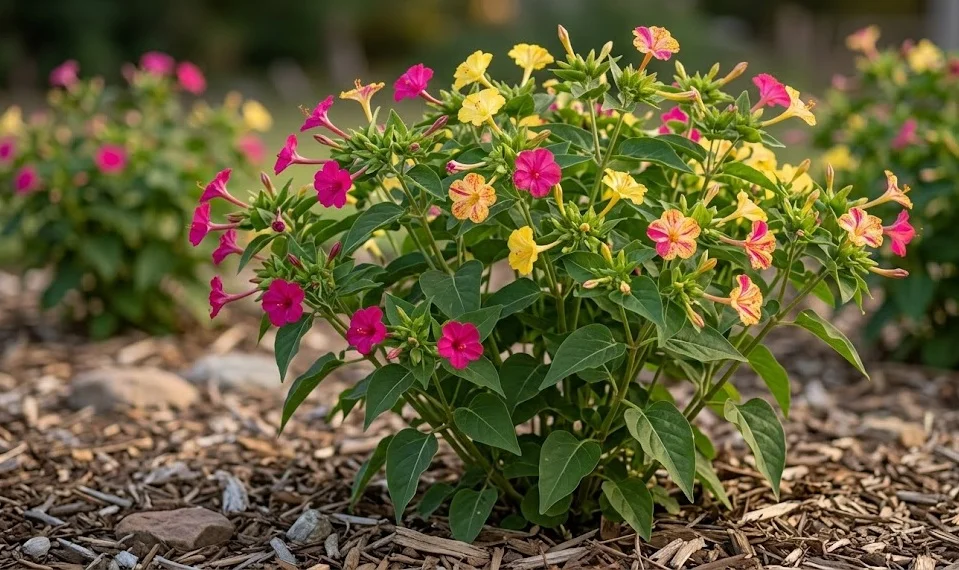
These plants feature bushy foliage that can quickly fill up empty spaces in borders or beds. Their trumpet-shaped flowers come in a wide variety of colors ranging from bright yellow to deep magenta. Sometimes a single plant can even produce flowers of different colors simultaneously. This fascinating genetic trait makes them a popular conversation piece among horticulture enthusiasts.
Establishing these plants in your garden ensures a continuous display of color from mid-summer until the first frost. They grow rapidly from seeds or tubers, making them an excellent choice for impatient gardeners. The lush green leaves provide a beautiful backdrop for the colorful blooms throughout the entire season. By choosing the right spot, you can enjoy their evening display year after year.
While they are native to tropical regions, they adjust remarkably well to temperate climates as annuals or tender perennials. Their rugged nature allows them to withstand various urban challenges like poor air quality or compacted soil. Understanding their lifecycle is the first step toward creating a flourishing display. With just a little background knowledge, anyone can successfully integrate these beauties into their landscape design.
Soil preferences and preparation
Creating the perfect soil environment is essential for the long-term health of these robust plants. They generally prefer well-draining soil that prevents water from collecting around their thick, fleshy roots. Heavy clay soils can be modified with organic matter to improve structure and drainage. A slightly acidic to neutral pH level is ideal for optimal nutrient absorption.
More articles on this topic
Preparing the planting site involves loosening the earth to a depth of at least twelve inches. This allows the extensive root system to expand freely without encountering hard barriers. Incorporating well-rot compost into the native soil enhances fertility and moisture retention capabilities. Good soil preparation early in the season saves substantial maintenance effort later on.
Sandy loam is often considered the perfect medium for cultivating these specific flowers. It provides the necessary balance of aeration and moisture holding capacity that the roots crave. If your garden soil is naturally heavy, consider planting in raised beds to ensure proper drainage. This proactive approach prevents many root-related issues before they ever have a chance to begin.
Testing your garden soil before planting can provide valuable insights into its nutrient composition. You can add organic amendments based on the test results to create a balanced growing environment. Avoid over-enriching the soil with excessive amounts of nitrogen, as this promotes foliage at the expense of blossoms. A balanced foundation ensures steady growth and abundant flowering throughout the summer months.
General seasonal maintenance
Regular maintenance tasks for these flowers are pleasantly simple and straightforward for any gardener. Keeping the surrounding area free of aggressive weeds reduces competition for vital resources. Applying a thin layer of organic mulch helps retain soil moisture and suppresses weed germination. Monitoring the overall health of the foliage helps you catch any minor issues early.
More articles on this topic
As the plants mature into large bushes, they might require some light structural support. Strong winds or heavy summer rainstorms can sometimes cause the heavy stems to split or lean. Inserting simple bamboo stakes around the perimeter provides a hidden grid that keeps them upright. This simple task keeps your garden beds looking neat and organized during stormy weather.
Mid-season care involves observing the flower production and adjusting your routine accordingly. If the plants appear sluggish, a light application of compost tea can provide a safe boost. Removing damaged or yellowing leaves maintains a fresh appearance and improves air circulation through the canopy. These small interventions ensure the plants remain vigorous during the hottest weeks of summer.
As autumn approaches, the maintenance strategy shifts toward preparing the plants for cooler temperatures. You should gradually reduce any supplemental feeding to allow the growth to naturally slow down. Allowing the late-season flowers to mature can provide seeds for next year’s planting project. Observing these natural cycles helps you manage your garden tasks efficiently throughout the year.
Managing growth and spread
Managing the growth habits of these plants is necessary because they can become quite expansive. In favorable conditions, they self-seed readily and may pop up in unexpected areas next spring. Keeping track of where seedlings emerge allows you to transplant them to better locations. Controlling their spread ensures they do not crowd out smaller, less aggressive companion plants.
Deadheading spent blooms before they develop mature seeds is the most effective control method. This practice directs the plant’s energy back into creating more blossoms rather than seed production. It also keeps the bushy form looking clean and highly polished throughout the entire flowering season. A quick weekly walkthrough is usually sufficient to manage the seed production effectively.
If seedlings do appear in unwanted spots, they are easily removed when they are small. Pulling them gently by hand when the soil is moist ensures the entire root comes out cleanly. You can also hoe the area lightly to disrupt young sprouts before they establish deep taproots. Being proactive prevents the plant from turning into an unwelcome nuisance in delicate borders.
Creating clear physical boundaries in the garden bed can also help contain their bushy growth. Planting them inside underground root barriers or large containers limits their subterranean expansion significantly. This method is particularly useful for gardeners with limited space who still want the beauty of these flowers. Proper management ensures harmony among all the different species in your landscape.
Companion planting strategies
Selecting the right companion plants enhances the visual appeal of your evening garden display. Combining these flowers with species that bloom during the morning creates a dynamic, all-day color show. Daylilies and morning glories make excellent partners because their schedules complement each other perfectly. This thoughtful pairing ensures there is always something interesting to look at in the bed.
Silver-foliaged plants like dusty miller provide a stunning contrast to the bright blossoms of these flowers. The light colors reflect the evening light, making the entire garden section glow after sunset. Shorter annuals can be planted in front to hide the bare lower stems of mature bushes. This multi-layered approach adds depth and professional structure to your garden design.
Consider planting heavily scented herbs nearby to create a rich sensory experience in the evening. Lavender and rosemary thrive in similar sunny conditions and complement the sweet floral fragrance beautifully. The combination of different textures and scents elevates a simple garden plot into a true sanctuary. Choosing companions with similar watering needs also simplifies your daily maintenance routine.
Avoid placing delicate or extremely slow-growing plants directly beneath these robust, bushy giants. The dense foliage of the four o’clock flower casts significant shade that can suppress weaker neighbors. Give each plant adequate space to ensure everyone receives enough light and air circulation to thrive. Strategic placement guarantees that every plant in the composition reaches its full potential.
Maximizing bloom potential
Achieving the maximum amount of blossoms requires a combination of proper positioning and nutrition. Ensuring the plants receive abundant sunlight during the morning hours sets the stage for spectacular evening openings. Depriving them of light results in leggy stems and a significant reduction in total flower numbers. Sunlight acts as the primary fuel engine for their daily blooming cycle.
Tailoring your fertilizer choices plays a critical role in promoting abundant flower buds. High-phosphorus formulas encourage root development and flower production rather than excessive green leaves. Applying these nutrients during the early summer kickstarts the blooming process with impressive intensity. Consistency is key when trying to sustain this heavy production over several months.
Maintaining consistent soil moisture without waterlogging prevents the plant from dropping its precious buds prematurely. Drought stress causes the plant to conserve energy, which immediately stops the flowering cycle. Deep watering during dry spells keeps the tissues turgid and ready to burst into bloom. A well-hydrated plant always produces larger and more vibrantly colored flowers.
Temperature also influences when and how long the flowers open each afternoon. On cloudy or cooler days, you might notice the blossoms opening much earlier than four o’clock. Understanding these environmental triggers helps you appreciate the shifting patterns of your garden. Providing ideal conditions ensures a breathtaking display every single evening.
Long term garden integration
Integrating these plants into a long-term landscape plan requires a bit of forward thinking. Because they can return from tubers in milder zones, they should be placed permanently. Choosing a spot near patios or seating areas allows you to fully enjoy their evening fragrance. They work beautifully as informal summer hedges or soft boundaries between different garden zones.
Over the years, the underground tubers will grow larger and produce increasingly substantial top growth. Planning for this expansion prevents overcrowding issues in subsequent growing seasons. You can design your perennial beds around these reliable anchor plants for consistent summer structure. Their predictable growth pattern makes them dependable elements in an evolving garden layout.
Documenting their performance and color variations helps you refine your garden design over time. You might decide to collect seeds from specific favorite colors to propagate elsewhere. Sharing these seeds or divided tubers with neighbors fosters a wonderful sense of community gardening. The long-term presence of these flowers builds lasting seasonal traditions in your outdoor space.
Ultimately, these versatile plants offer reliable beauty with minimal investment of time or money. They bridge the gap between summer annuals and permanent woody shrubs with their impressive size. Embracing their unique evening schedule transforms how you experience your garden after a long day. With proper integration, they become a beloved staple of your annual landscape display.