
Growing beautiful flowering shrubs requires a foundational knowledge of their specific environmental needs and growth habits. Panicle hydrangeas are highly resilient plants that reward gardeners with massive, cone-shaped flower heads throughout the summer months. To achieve the best results, you must look closely at how these plants adapt to your local microclimate. Taking the time to observe their early spring development sets the stage for a spectacular seasonal display.
The natural structure of these shrubs allows them to blend seamlessly into various garden styles, from rustic cottage landscapes to minimalist urban spaces. Unlike their finicky relatives, they can tolerate a wider variety of climate conditions and weather fluctuations without losing their vitality. Understanding their robust woody framework helps you manage their physical footprint as they mature over several seasons. Regular monitoring ensures that any subtle shifts in health can be addressed before they impact flowering.
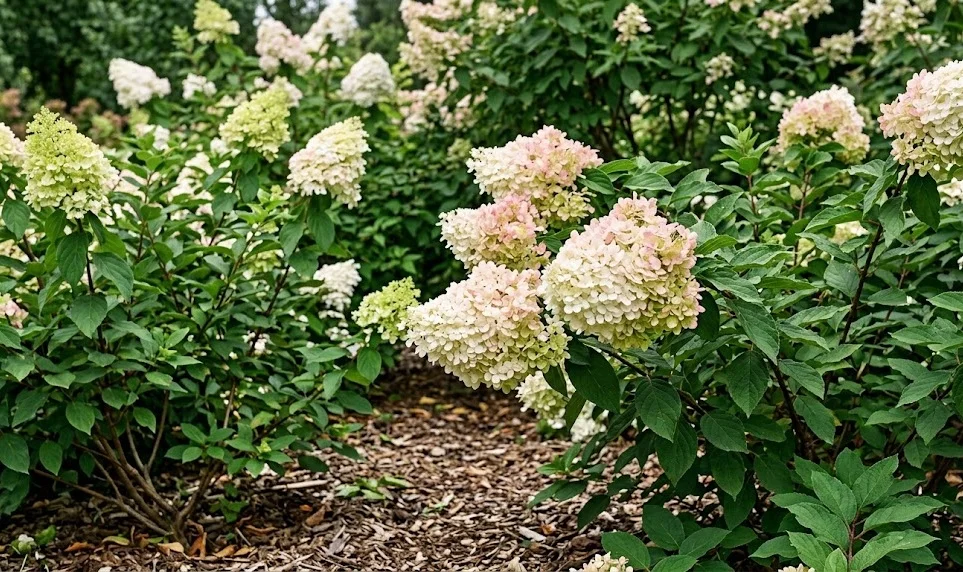
Cultivating these plants brings an undeniable aesthetic value that changes dynamically from early summer well into the late autumn months. As the blossoms age, they shift through a mesmerizing spectrum of colors ranging from creamy white to deep rose. This long-lasting visual appeal makes them a favorite choice for both novice gardeners and seasoned landscape architects alike. By learning their fundamental growth patterns, you ensure a reliable display of color year after year.
It is equally important to recognize that these shrubs establish themselves quite rapidly when given the right start in life. Their root systems are expansive yet efficient, allowing them to draw nutrients effectively from a well-prepared garden bed. As you integrate them into your outdoor space, consider how their mature size will interact with surrounding flora. A mindful approach to their basic biology forms the backbone of successful, stress-free cultivation.
Optimal soil conditions for robust development
Soil structure plays a defining role in how effectively your plants can anchor themselves and absorb essential elements. These shrubs generally thrive in loose, loamy earth that allows water to move freely while maintaining moderate moisture levels. Compacted heavy clay can restrict root expansion and trap stagnant water around the delicate underground structures. Amending your garden bed with organic matter creates a well-aerated matrix that supports vigorous underground development.
More articles on this topic
The chemical balance of the ground is another factor that heavily influences overall plant vigor and nutrient uptake efficiency. While some flowering species alter their bloom colors drastically based on soil pH, these specific shrubs remain relatively stable in their color output. However, a slightly acidic to neutral pH range provides the most welcoming environment for smooth nutrient transport. Testing your soil before planting gives you an accurate blueprint of what amendments might be necessary.
Incorporating well-rotted compost or leaf mold into the planting area significantly boosts the microbial life within the substrate. These beneficial organisms work continuously to break down complex compounds into easily accessible plant food. Furthermore, organic amendments improve the water-holding capacity of sandy soils, preventing rapid dehydration during hot spells. Building a rich, living soil ecosystem is a long-term investment that yields healthier foliage and grander blossoms.
Drainage efficiency must never be overlooked if you desire a long-lived and structurally sound garden asset. If you suspect that a chosen site holds excessive water after heavy rainfall, raising the planting bed is an excellent solution. Alternatively, mixing coarse sand or fine gravel into the lower soil layers can facilitate better percolation. Ensuring a healthy balance of drainage and moisture retention prevents root rot and encourages deep, resilient rooting.
Seasonal maintenance practices for healthy shrubs
Spring marks the beginning of the active growth cycle, requiring focused attention on clearing away old debris and preparing the soil surface. Applying a fresh layer of organic mulch around the base protects the emerging roots from sudden temperature swings. This practice also helps retain valuable ground moisture as the days begin to lengthen and warm up. Keeping a close eye on new leaf development helps you gauge the overall health of the plant early on.
More articles on this topic
As summer arrives, the focus shifts toward sustaining the rapid vegetative growth and supporting the formation of flower buds. You should check the moisture levels regularly, especially during extended periods of drought or intense heat waves. Ensuring the plant does not experience severe dehydration maintains the crisp appearance of the large, lush leaves. Suppressing competing weeds around the root zone ensures that all available resources go directly into flower production.
Autumn care involves preparing the shrub for its upcoming dormancy while enjoying the fading colors of the mature blossoms. Many gardeners choose to leave the dried flower heads on the plant to provide visual interest during the bleak winter months. It is beneficial to gradually reduce any heavy intervention as the plant naturally slows down its metabolic processes. Cleaning up fallen leaves around the base reduces the risk of overwintering pathogens in the immediate area.
Winter is a time of rest for these woody shrubs, meaning your physical workload drops significantly during this quiet season. However, checking the structural integrity of the branches after a heavy snowfall can prevent accidental breakage. If you live in an area with harsh winds, providing a temporary windbreak can shield the dormant framework. This period of dormancy is vital for the plant to gather strength for the subsequent growing season.
Enhancing bloom quality through strategic placement
The location you choose within your garden framework directly influences the size, abundance, and color intensity of the flowers. Placing these shrubs where they receive ample morning sunlight encourages strong stem development and abundant bud formation. Conversely, a spot that suffers from dense, permanent shade will often result in weak, leggy growth and disappointing blooms. Finding the perfect spatial equilibrium ensures the plant reaches its full genetic potential.
Air circulation is another critical atmospheric component that can determine the aesthetic success of your flowering display. Air that moves freely through the branches helps dry the foliage quickly after rainfall, lowering the chances of leaf spots. Avoid crowding the shrubs into tight corners or placing them too close to solid, unyielding structures like brick walls. Giving each plant enough physical breathing room allows it to develop a symmetrical and pleasing natural shape.
Consider the surrounding landscape elements and how they might compete for precious resources like light and underground moisture. Large, established canopy trees can cast deep shadows and deplete the soil of water before the shrub can access it. Planting at a respectful distance from aggressive root systems ensures your hydrangeas do not have to fight for survival. A strategic placement strategy minimizes the need for corrective measures later in the plant’s life.
Visual integration within your wider garden layout can elevate the overall impact of the summer flowering performance. Using these upright shrubs as a stunning backdrop for smaller perennials creates a sense of depth and structural hierarchy. They also function beautifully as informal hedges that define different functional zones within an outdoor living area. Mindful positioning allows you to maximize both the biological health and the ornamental value of your investment.
Common structural challenges and how to fix them
Over time, these vigorous growers can develop a top-heavy structure that threatens to collapse under the weight of massive summer blooms. Stems that are too thin or elongated will easily bend toward the ground, especially after a sudden downpour of rain. To correct this issue, you can introduce subtle support systems like bamboo stakes or structural metal rings early in the season. Proactive staking keeps the magnificent flower panicles upright and highly visible.
Another common structural hurdle involves an inner canopy that becomes overly dense and crowded with weak, crossing branches. This lack of internal space restricts light penetration and prevents the inner leaves from photosynthesizing efficiently. Carefully thinning out the interior of the shrub allows sunlight to reach the core, promoting stronger internal wood. Removing dead or rubbing stems eliminates potential entry points for structural decay and diseases.
Sometimes, an older shrub might become completely unbalanced, leaning heavily toward one side due to uneven light distribution. You can remedy this asymmetrical growth by gradually pruning the overextended side to encourage new shoots elsewhere. Balancing the overall weight of the canopy prevents the main trunk from splitting under physical stress. Paying close attention to the silhouette of the plant ensures it remains a proud, upright focal point.
In regions prone to severe weather, high winds can snap major limbs and leave large, unsightly gaps in the framework. When structural damage occurs, it is essential to make clean cuts immediately to help the plant heal cleanly. Avoid leaving ragged tears on the bark, as these can easily invite unwanted complications into the woody system. With patience and targeted care, the shrub will naturally regenerate new wood to fill the void.
Long-term vitality and rejuvenation techniques
As these woody perennials reach maturity, their rate of growth may naturally slow down, resulting in smaller flowers and less vigorous stems. To restore their youthful energy, you can implement a multi-year rejuvenation program rather than relying on drastic, single-season cuts. Gradually removing a third of the oldest, heaviest canes each year encourages fresh, productive shoots to rise from the base. This methodical approach maintains the overall shape while steadily updating the structural wood.
Refreshing the surrounding soil is equally vital for sustaining the long-term health of an older, established garden specimen. Over the years, the immediate root zone can become depleted of essential micronutrients and organic matter. Gently top-dressing the soil with aged compost every spring replenishes these lost resources without disturbing the mature roots. This continuous enrichment ensures the plant has the fuel required to sustain its demanding blooming cycle.
Monitoring the vigor of the root system can help you determine if the shrub has outgrown its current location or resources. If you notice a significant decline in overall leaf size and stem extension, the plant might benefit from structural root management. Carefully loosening the soil around the outer perimeter encourages the development of fresh, active feeding roots. Keeping the root environment dynamic and healthy prevents the plant from entering a state of permanent stagnation.
Consistency in your yearly care routine prevents the occurrence of chronic stress that can prematurely age your garden plants. Avoiding extreme cycles of severe neglect followed by aggressive, panicked interventions keeps the plant’s metabolism stable. Healthy specimens that receive steady, predictable care possess a natural resilience that carries them through unexpected environmental hardships. Dedicating a small amount of regular attention ensures decades of reliable summer beauty.
Integration into modern garden designs
Incorporating these versatile shrubs into contemporary landscape plans allows you to create striking visual contrasts and clean structural lines. Their upright, somewhat architectural form complements the geometric lines often found in modern residential architecture. When massed together, they form a soft, living wall that transitions beautifully through the changing seasons. The neutral, creamy tones of the early blooms blend harmoniously with popular modern building materials like concrete and wood.
Pairing these flowering giants with ornamental grasses creates a dynamic play of textures that remains appealing long after summer fades. The fine, whispering blades of the grasses contrast beautifully with the coarse foliage and solid flower panicles of the shrub. This combination looks particularly striking in the low light of autumn, when both plant types adopt warm, golden hues. Choosing companion plants with similar cultural requirements simplifies your overall garden maintenance schedule.
They also excel when used as standalone specimen plants, acting as a dramatic focal point in a small courtyard or entry garden. A single, well-maintained shrub can anchor an entire garden bed, drawing the eye with its abundance of summer color. Surrounding the base with low-growing groundcovers creates a clean, multi-layered look that suppresses weeds naturally. This design technique maximizes the impact of limited garden space without creating visual clutter.
Finally, the dried flower heads provide an excellent source of material for bringing the natural beauty of the garden indoors. Harvesting the mature panicles in late autumn allows you to create long-lasting interior arrangements that require no water. Leaving a few behind on the bush adds a sculptural element to the winter landscape when covered in frost. Embracing every phase of the plant’s life cycle enriches your connection to the changing outdoor environment.