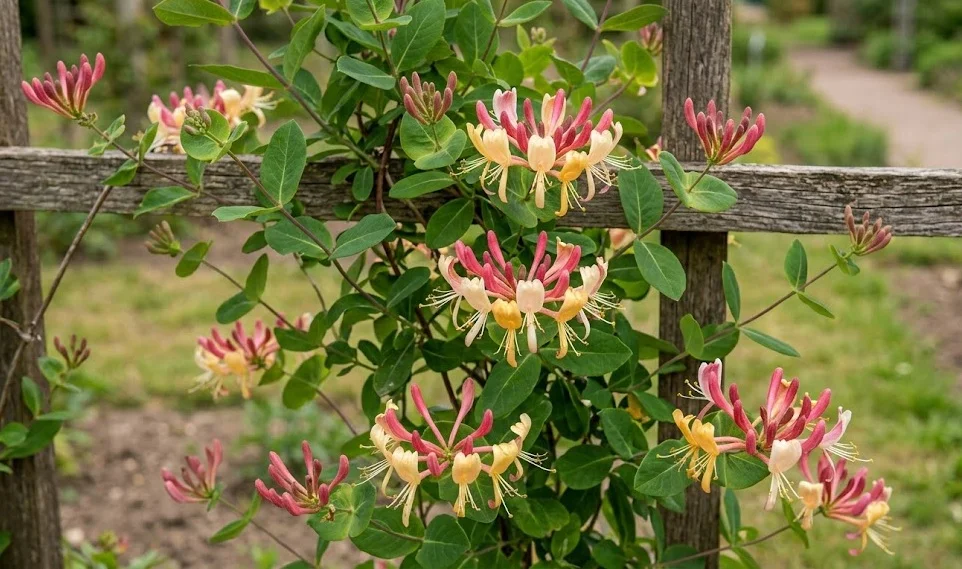

Understanding the specific light preferences of this climbing vine is essential for maximizing its growth and flowering potential. Sunlight acts as the primary energy source that drives photosynthesis, fuel production, and the initiation of flower buds. In their native woodland habitats, these plants have adapted to unique lighting conditions that vary throughout the canopy layers. Replicating these light dynamics in your garden design ensures a healthy, balanced, and prolific specimen.
The ideal lighting scenario for this species can be summarized as having its feet in the shade and its head in the sun. This means the root zone prefers a cool, shaded environment, while the upper climbing vines thrive in bright sunlight. Achieving this balance allows the plant to photosynthesize efficiently without suffering from root dehydration or heat stress. Gardeners must carefully evaluate the light patterns of their property before choosing a permanent planting site.
While the vine is remarkably adaptable and can tolerate a variety of exposure levels, extreme conditions should be avoided. Deep, continuous shade will drastically reduce flower production and lead to weak, elongated, and spindly vegetative growth. Conversely, intense and unfiltered midday sun in hot climates can scorch the delicate foliage and dry out the soil. Finding the sweet spot between these two extremes is the secret to cultivating a truly breathtaking garden feature.
Evaluating how light changes across the seasons is also an important consideration for long-term horticultural planning. A site that receives full sun in the spring may become shaded by mature trees during the peak of summer. Observing these shifting environmental patterns helps you position the vine where it can access light when needed most. Your understanding of these celestial dynamics directly translates into a more successful and vibrant garden display.
Optimal sunlight for blooming
To produce an abundance of highly fragrant, colorful blossoms, the upper canopy of the vine needs significant sunlight exposure. Ideally, the plant should receive at least six hours of direct sunlight daily during the active growing season. Morning sun is particularly beneficial because it warms the plant gently and evaporates nighttime dew from the foliage surface. This early drying effect significantly reduces the survival and germination rates of various fungal disease spores.
More articles on this topic
When exposed to adequate sunlight, the plant develops short internodes, resulting in a denser, more compact foliage structure. This structural compactness provides a visually appealing framework that supports a higher concentration of summer flower clusters. The intense light also stimulates the production of natural sugars within the plant tissues, intensifying the sweet fragrance. Sunlight exposure transforms the climbing vine from a simple green screen into a spectacular sensory highlight.
If you are planting the vine against a wall or fence, eastern or southern exposures are generally the most effective choices. These orientations ensure that the climbing shoots capture the necessary light energy needed for robust flower bud differentiation. Western exposures can also work well but may require extra attention to soil moisture due to intense afternoon heat. Proper placement ensures that the energy requirements of the blooming cycle are fully met every year.
You can optimize light penetration through the dense canopy by practicing selective pruning techniques during the dormant season. Removing overlapping or crowding branches allows sunlight to reach the interior portions of the vine rather than just the exterior. This uniform light distribution encourages flower development throughout the entire height of the structure rather than just at the top tips. Strategic canopy management unlocks the full ornamental potential of your climbing woody perennial.
Growth in partial shade
Partial shade conditions, where the plant receives filtered sunlight or direct sun for only a portion of the day, are highly tolerated. In fact, in regions with exceptionally hot and dry summer climates, partial afternoon shade can be highly advantageous for plant health. It protects the delicate green leaves from scorching and prevents the soil from drying out too rapidly during heat waves. The vine adapts well to woodland garden designs where light filters through a high canopy of mature trees.
More articles on this topic
When grown in partial shade, the vine may exhibit a slightly more open, relaxed, and natural growth habit. The stems will naturally elongate as they search for available light pockets, creating a beautiful, airy climbing effect. While the total number of flowers may be slightly fewer than in full sun, the individual blooms often last longer. The reduced intensity of the sun preserves the delicate petals and extends the lifespan of each individual blossom cluster.
To support a vine growing in partial shade, you should ensure that the surrounding soil is exceptionally rich in organic matter. High-quality soil fertility helps compensate for the lower light energy by providing an abundance of easily accessible nutrients. Avoid planting the vine in areas of deep, heavy shade where no direct or filtered sunlight ever penetrates the space. Striking a balance ensures the vine remains healthy and attractive even without perfect, full-sun conditions.
Choosing light-colored background structures can also help maximize the available ambient light in partially shaded garden corners. Planting against a white or pale cream fence reflects light back into the interior layers of the climbing foliage matrix. This simple design trick enhances photosynthetic efficiency and encourages better leaf density on the shaded side of the plant. Creative environmental management allows you to enjoy this fragrant climber in less-than-ideal lighting conditions.
Identifying symptoms of deficiency
Recognizing the physical signs of improper light exposure allows you to take corrective action before the plant suffers permanent decline. A severe lack of adequate sunlight manifests primarily as weak, spindly stems with unusually long spaces between leaf nodes. The leaves may become abnormally large and pale green as they attempt to maximize their surface area for light absorption. Flowering will drop off dramatically, and the few blossoms that do form may lack their characteristic rich fragrance.
If the vine is receiving too much intense, unfiltered sunlight, the foliage will display signs of environmental heat stress. You may notice yellow or bleached patches on the upper surfaces of leaves that are directly exposed to the midday sun. The margins of the leaves can become brown, crispy, and curl inward as the plant tries to conserve moisture. These symptoms indicate that the root system cannot keep up with the intense evaporation rates driven by the sun.
To correct a light deficiency, you can carefully prune back overhanging branches from neighboring trees to open up the canopy. This targeted intervention allows more sunlight to reach the climbing vine without requiring the stress of physical transplantation. If the plant must be moved to a sunnier location, perform the transplanting operation during the dormant autumn or spring seasons. Moving the vine safely preserves its root structure and allows for a successful transition to better lighting.
Regularly assessing the interaction between your plants and their lighting environment is a hallmark of professional garden management. Light dynamics evolve over time as trees grow, structures are built, or old garden features are removed completely. Staying attuned to these changes allows you to adapt your maintenance routines and keep your climbing vines flourishing continuously. Your observant care guarantees that the plant always receives the energy it needs to thrive beautifully.
Practical light management solutions
Maximizing light availability requires a proactive approach to managing the surrounding landscape elements. You should regularly assess how nearby trees and shrubs shade the climbing vine as they grow larger over time. Selective pruning of overhead branches can instantly open up light windows that revitalize a shaded vine. This integrated approach ensures the plant continues to receive an optimal amount of energy year after year.
When designing a new garden layout, consider using reflective surfaces to increase ambient light levels in darker spots. Planting the honeysuckle against a light-colored brick or painted wall can redirect sunlight into the inner canopy. This simple environmental modification enhances the rate of photosynthesis without exposing the roots to additional heat stress. Creative landscaping techniques allow you to cultivate healthy vines even in less-than-perfect exposure scenarios.
If a mature vine is suffering severely from deep shade, physical transplantation may become necessary to save it. You must plan this operation carefully during the late autumn or early spring when the plant is completely dormant. Digging a wide root ball preserves the established root architecture and minimizes the risk of severe transplant shock. Moving the plant to a sunnier location will quickly stimulate fresh growth and restore its flowering capacity.
Consistent monitoring of the light environment guarantees that your climbing vine always has the resources required to flourish. Sunlight patterns are dynamic, changing not only throughout the day but also as the years progress. Staying adaptable and responsive to these environmental shifts is a fundamental skill of professional estate gardening. Your attention to these subtle details ensures a beautiful, fragrant display that remains a garden highlight.