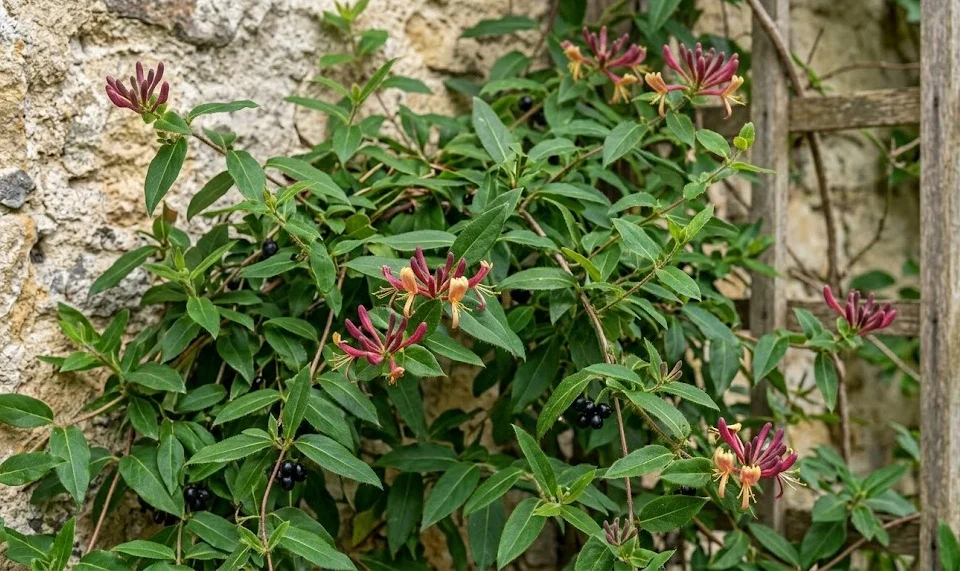

Preparing Henry’s honeysuckle for the challenges of winter ensures that its beautiful evergreen foliage survives intact. While this species exhibits impressive hardiness across many temperate zones, extreme cold can still cause physiological stress. Protecting the root system and managing moisture dynamics are the keys to avoiding severe winter damage. Implementing these preventative measures preserves the structural integrity of the vine for the upcoming spring explosion.
The primary challenge during the winter months stems from the plant’s unique evergreen nature. Unlike deciduous vines that shed leaves to conserve energy, this climber maintains its foliage throughout the year. This means the leaves continue to photosynthesize and transpire water even when ambient temperatures drop below freezing. If the soil freezes completely, the roots cannot replenish this lost water, causing severe physiological strain.
Frost cracks can occur on the main woody stems when temperature fluctuations are rapid and extreme. Warm winter sunshine can heat up the bark during the day, causing the internal tissues to expand. When the temperature drops rapidly after sunset, the sudden contraction can split the outer protective layers. These open wounds create entry points for opportunistic pathogens when warmer spring weather finally arrives.
Younger, newly planted honeysuckles require significantly more attention than old, well-established specimens during their first winter. Their root systems are shallow and less capable of drawing moisture from deep beneath the frost line. Taking the time to provide extra protection during this initial vulnerable year pays long-term dividends in plant survival. A strong start guarantees that the vine develops the resilience needed for future winter seasons.
Implementing root zone insulation strategies
Insulating the soil around the base of the vine is the most effective way to prevent deep ground freezing. A thick layer of organic mulch, such as wood chips or straw, provides excellent thermal protection. This barrier slows down the loss of heat from the earth, keeping the root zone slightly warmer than the air. Apply this protective layer in late autumn before the first hard freeze locks the ground.
More articles on this topic
The diameter of the insulated zone should ideally match the horizontal spread of the upper canopy. Roots extend far beyond the main trunk, and protecting the outer root tips is crucial for water absorption. Ensure the mulch layer is uniform, maintaining a thickness of approximately three to four inches across the bed. This substantial depth provides the necessary insulation value to withstand prolonged periods of sub-zero temperatures.
Keep the insulation material pulled back slightly from the immediate base of the woody stems. Piling mulch directly against the bark creates a humid microclimate that can encourage decay even in winter. It also provides a hidden sanctuary for small rodents that might gnaw on the bark for food. Creating a narrow, clear ring around the main collar maintains airflow and prevents localized mechanical damage.
Snow can act as an excellent natural insulator if it accumulates gently around the base of the plant. The trapped air within the snow layer prevents extreme temperature drops from penetrating deep into the soil. However, heavy, wet snow accumulations on the upper trellis should be brushed away to prevent structural collapse. Balancing the protective benefits of snow with the weight limits of supports is essential.
Defending against winter wind desiccation
Freezing winter winds represent a major environmental threat to the exposed evergreen foliage of the climber. Strong winds accelerate the rate of moisture loss from the leaf surfaces through forced transpiration. When this occurs while the ground is frozen, the vine experiences a phenomenon known as winter burn. The margins of the leaves turn brown and brittle, detracting from the plant’s aesthetic value.
More articles on this topic
Constructing a temporary windbreak can provide invaluable protection for specimens planted in highly exposed garden locations. Burlap fabric attached to sturdy wooden stakes creates an effective barrier that defers harsh, drying gusts. This setup allows air to circulate while reducing the mechanical velocity of the wind against the leaves. It is an ideal solution for protecting young vines during their initial winter seasons.
Anti-desiccant sprays offer another layer of defense by applying a thin, protective coating over the foliage. This clear, biodegradable film reduces transpiration losses without interfering with the plant’s natural respiratory processes. Apply the spray in late autumn when temperatures are cool but still safely above the freezing mark. This treatment helps the leaves retain valuable moisture through the driest, coldest weeks of the year.
Proper site selection during the initial design phase remains the most sustainable long-term solution for wind protection. Planting the honeysuckle near a south-facing or west-facing wall provides a natural microclimate that reduces wind exposure. The wall also absorbs heat during the day, radiating it back to the plant during cold nights. Understanding these microclimatic factors helps gardeners place their plants for optimal year-round success.
Managing the transition into early spring
As winter wanes, the transition into early spring requires careful monitoring to ensure a smooth awakening. Avoid the temptation to remove the protective root mulch too early in the shifting season. Late-season frosts can still freeze the topsoil, damaging early root activity if the insulation is gone. Gradually thin the mulch layer as consistent daytime temperatures begin to stabilize above freezing.
Inspect the entire length of the vine for any signs of winter damage or structural failure. Look for split bark, broken stems, or sections that have pulled away from the support trellis. Pruning away these damaged portions early prevents the waste of precious energy on non-viable tissue. Clean cuts made just above a healthy node encourage rapid healing and fresh spring branching.
Provide a deep, thorough watering as soon as the ground thaws completely to rehydrate the entire plant. This initial irrigation helps flush out any accumulated salts and replenishes the dry winter tissues. The root system will respond rapidly to the combination of moisture and rising soil temperatures. This simple step jumpstarts the internal circulatory systems, preparing the vine for active growth.
Observe the emerging buds closely to evaluate the overall success of your overwintering efforts. Healthy buds will appear plump, green, and eager to expand into fresh stems and glossy leaves. Seeing this new growth confirms that the plant has navigated the challenges of winter successfully. With proper winter care concluded, the vine is now poised to deliver another spectacular vertical display.