
Preparing this shrub for the cold months is a straightforward process that ensures it returns with vigor when spring arrives. While the species is known for its hardiness, providing a little extra protection can help it maintain its structure and health through extreme weather. The goal of winter care is to protect the root system and prevent physical damage from wind and heavy snow. By following a few simple steps, you can ensure that your shrub remains a permanent and beautiful fixture in your garden.
Preparing for the first frost
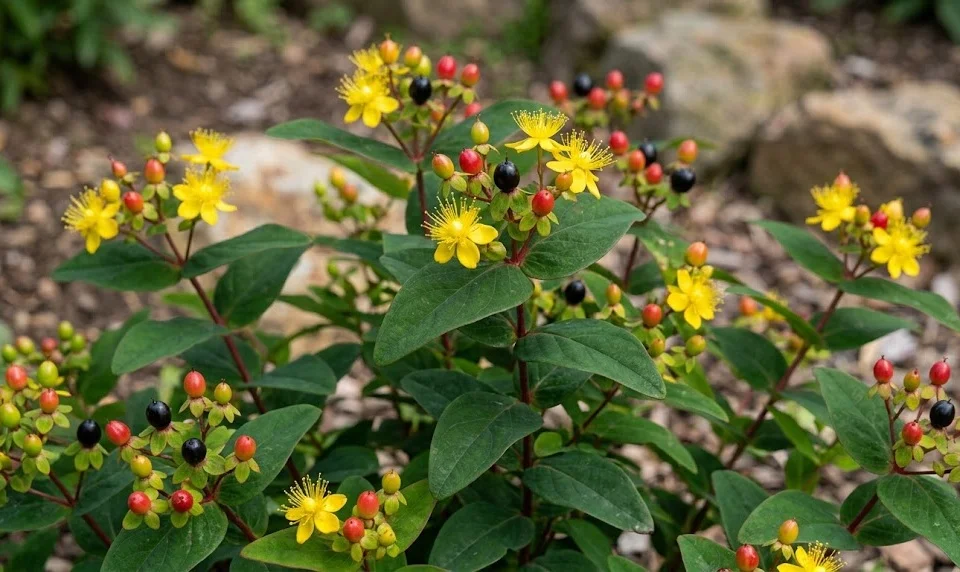
As the temperatures begin to drop in the autumn, you should start observing the natural changes in the plant’s behavior. The leaves may begin to lose some of their vibrancy, and the berries will reach their final stage of maturation and color. This is the signal that the shrub is entering its dormant phase and shifting its energy toward the roots for the winter. You should stop any feeding routines at this point to prevent the growth of soft, frost-sensitive new shoots.
Cleaning up the area around the base of the plant is an important first step in your winter preparation routine. You should remove any fallen leaves or spent berries that might harbor pests or fungal spores during the dormant season. This prevents pathogens from staying close to the main stem where they could cause issues as soon as the weather warms up. A clean base also makes it easier to apply protective layers of mulch before the ground freezes solid.
If the autumn has been particularly dry, you should give the shrub a final deep watering before the first hard freeze occurs. This ensures that the plant has enough internal hydration to withstand the drying effects of cold winter winds and frozen soil. Moist soil also retains heat much better than dry soil, which provides a small but important buffer for the root system. This simple act of hydration can make a significant difference in how well the plant survives a harsh winter.
Check the structural integrity of the plant and ensure that any long or weak branches are not at risk of snapping. If you have a particularly large specimen, you might want to provide some light support to help it handle the weight of winter snow. You should avoid heavy pruning at this time, as any cuts will not have a chance to heal before the deep cold sets in. Save the major shaping for the late winter or early spring when the plant is ready to grow again.
More articles on this topic
Mulching and root protection
Applying a thick layer of organic mulch is the most effective way to protect the sensitive root zone from extreme temperature fluctuations. Materials like wood chips, straw, or well-rotted compost work perfectly to insulate the ground against the deep frost of mid-winter. You should aim for a layer that is about three to four inches deep for the best insulation and protection. This barrier keeps the soil temperature more stable, which reduces the stress on the dormant roots.
When applying the mulch, be careful to keep it a few inches away from the actual base of the main stems to prevent rot. Piling mulch directly against the bark can trap moisture and provide a hiding place for small rodents that might chew on the wood. A doughnut-shaped ring of mulch is the ideal way to provide protection while still allowing the plant to breathe at the base. This technique ensures that the benefits of mulching are not outweighed by the potential risks of improper application.
Mulch also serves a secondary purpose by suppressing any winter-growing weeds that might compete for nutrients in the early spring. As it slowly breaks down over the winter months, it will also add valuable organic matter to the soil structure. You will find that the ground stays much looser and easier to work with once the spring thaw finally arrives in your area. This long-term improvement of the soil is a wonderful bonus to the immediate protection the mulch provides.
In very cold climates, you might consider an even thicker layer of protection for young or recently transplanted shrubs in your garden. You can use evergreen boughs or a temporary cage filled with dry leaves to provide an extra thermal barrier for the plant. These extra measures are usually only necessary for the first few winters until the shrub has established a large and deep root system. Once the plant is fully mature, it will typically handle the cold with very little assistance from you.
More articles on this topic
Evergreens in cold climates
In milder regions, this shrub often behaves like an evergreen or semi-evergreen, keeping its leaves throughout the entire winter season. These leaves can be a beautiful feature in a dormant garden, providing structure and color when everything else is bare. However, evergreen foliage is more susceptible to drying out during periods of frozen ground and bright winter sun. You should monitor these plants for signs of windburn or browning on the edges of the leaves after a cold snap.
If your garden is in a particularly windy spot, a simple windbreak made of burlap or a temporary screen can offer significant protection. This prevents the cold air from stripping moisture away from the leaves faster than the frozen roots can replace it. You only need to provide this protection during the coldest few months of the year to ensure the plant stays looking its best. This extra care will be rewarded with a much more vibrant and healthy-looking shrub in the early spring.
Heavy snow can be both a blessing and a burden for an evergreen shrub during the middle of a long winter season. A layer of snow actually acts as an excellent insulator, protecting the foliage from the harshest temperatures and drying winds. However, the weight of wet, heavy snow can also cause the branches to bend or even break if it is left for too long. You should gently brush off any excessive snow after a heavy storm to prevent any permanent physical damage to the plant.
Ice storms are particularly dangerous because the weight of the ice is much greater and harder to remove than regular snow. You should never try to crack or knock ice off the branches, as this will almost certainly cause the brittle wood to snap. It is better to let the ice melt naturally and only intervene if a branch is in immediate danger of breaking. Fortunately, this species has fairly flexible stems that can handle a reasonable amount of weight without failing completely.
Spring recovery after winter
As the days grow longer and the soil begins to warm up, you will notice the first signs of the plant waking up from its rest. The buds will start to swell and any evergreen leaves that survived the winter will take on a fresher and more vibrant appearance. This is the perfect time to remove any winter protection and clear away the old mulch to let the soil breathe. You should also take a moment to inspect the plant for any damage that might have occurred during the cold months.
Pruning out any dead or damaged tips is the first task you should perform once the threat of heavy frost has passed. Look for wood that has turned brown or brittle and cut back to a healthy, green bud facing in the desired direction. This light cleanup helps the plant focus its energy on the new growth that will soon emerge from the center of the shrub. You will be surprised at how quickly the plant recovers from the effects of winter once the sap starts flowing again.
Spring is also the ideal time to refresh the soil with a light application of balanced fertilizer to support the coming season of growth. As the winter mulch breaks down, you can incorporate some of it into the top layer of soil to improve the texture. Watering might also be necessary if the spring is particularly dry and the ground has lost its winter moisture. Getting these basics right in the early spring sets the stage for a spectacular display of flowers and berries later in the year.
By the time the last frost has finished, your tutsan should be well on its way to another productive and beautiful growing season. The resilience of this species is one of its best features, and with your help, it can thrive in almost any garden environment. Watching the cycle of growth begin anew is one of the most rewarding experiences for any gardener who takes pride in their work. Your careful wintering routine has ensured another year of success for this versatile and charming shrub.