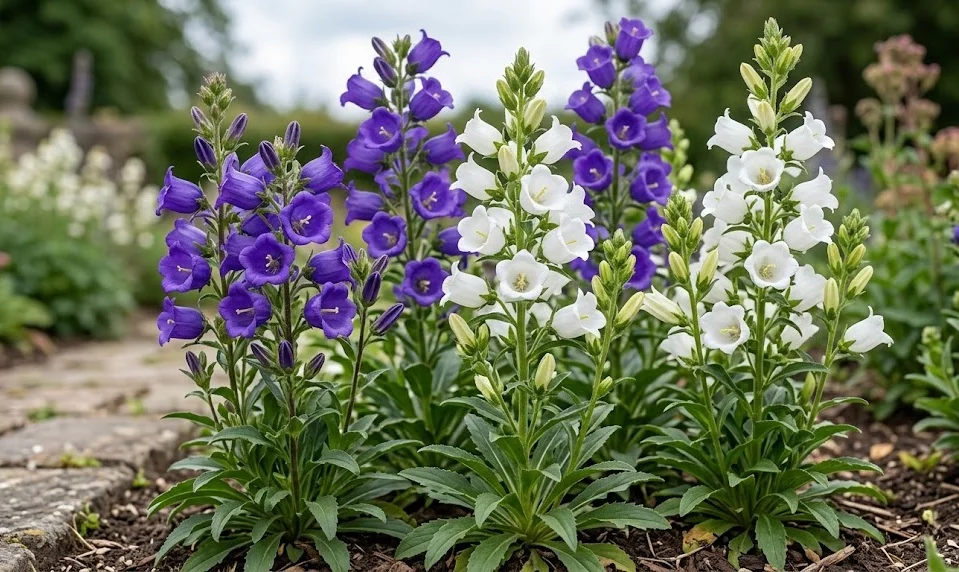

Strategic maintenance of the foliage and flowers is a vital practice for extending the beauty and health of your biennial display. While these plants do not require the intensive structural pruning that woody shrubs do, they benefit greatly from targeted interventions throughout the year. You must understand the difference between removing spent blooms and cutting back the entire plant after the season has concluded. A professional approach to pruning will keep your garden looking tidy and maximize the impact of every single flower spike.
Deadheading for continuous bloom
Deadheading is the process of removing individual flowers as they begin to fade and wilt on the main stalk. This simple task prevents the plant from putting its energy into seed production, which is its natural goal once a flower is pollinated. By tricking the plant into thinking it has not yet succeeded, you encourage it to activate smaller side buds along the stem. This can result in a secondary wave of flowers that extends the overall blooming period by several weeks.
To deadhead effectively, you should use a sharp pair of snips or garden scissors to cut the individual flower stem just above the next set of leaves. Be careful not to damage the emerging buds that are often hiding in the leaf axils below the main flower. Regular inspection of your plants every few days will allow you to stay on top of this task without it becoming overwhelming. You will find that the garden looks much cleaner and more vibrant when the brown, shriveled blooms are removed promptly.
In addition to the aesthetic benefits, deadheading also improves the overall health of the plant by reducing the weight on the stems. A heavy load of fading flowers can make the stalks more susceptible to leaning or snapping during a summer rainstorm. Removing the old material also improves the airflow around the remaining flowers and foliage, which is a key factor in disease prevention. It is a small investment of time that pays off in both the appearance and the longevity of your floral display.
Once the entire main flower spike has finished blooming, you can cut the entire stalk back to the base of the plant. This allows the lower rosette of leaves to receive more light and air, which is important if you are trying to keep the plant healthy for seed collection later. Some varieties may even produce a second, shorter flush of flowers from the base if the conditions are right and the weather remains mild. Professional gardeners always look for these opportunities to squeeze every bit of beauty out of the growing season.
More articles on this topic
Late-season pruning techniques
As the summer draws to a close and the final flowers have faded, you must decide how to handle the remaining plant material. If you are not planning to collect seeds, you should cut the spent flower stalks all the way down to the ground level. This prevents the dead stems from becoming an eyesore and removes potential nesting sites for winter pests. Use a clean, sharp bypass pruner to make a clean cut that will heal quickly and not invite rot into the crown.
The basal rosette of leaves should be left intact as long as it remains green and healthy, as it is still producing energy for the roots. You should only remove leaves that are clearly yellowed, diseased, or damaged by insects during the season. This selective cleaning helps the plant prepare for its dormant phase while maintaining a tidy appearance in the autumn garden. Professional gardeners often take this time to evaluate the performance of each plant and make notes for the following year’s layout.
In late autumn, after a few hard frosts have hit, the foliage will naturally begin to die back and turn brown. At this point, you can remove most of the dead material, but be careful not to disturb the very center of the crown where the new growth will emerge in spring. Leaving a small amount of stubble can actually help you locate the plants when you are applying mulch or performing early spring cleanup. This systematic approach to late-season care ensures that the garden transitions into winter in a controlled and organized way.
If you have young first-year plants that have not yet bloomed, they should not be pruned at all during their first autumn. Their focus is entirely on building up the strength of their leaves and roots for the following year’s grand finale. Simply remove any dead or diseased individual leaves to keep the rosette healthy and clean before the snow flies. Protecting these young plants is the key to ensuring you have a continuous cycle of blooms in your garden year after year.
More articles on this topic
Tool maintenance and hygiene
The quality of your pruning work is directly related to the condition and cleanliness of the tools you use in your garden. Sharp blades make clean, precise cuts that heal much faster and are less likely to become infected by pathogens. You should sharpen your snips and pruners regularly throughout the season to ensure they are always performing at their best. A dull blade can crush the delicate stems of the Canterbury bells, leading to bruising and a higher risk of rot.
Hygiene is equally important, especially when you are moving between different plants or dealing with any signs of disease. You should disinfect your tools with a quick wipe of rubbing alcohol or a mild bleach solution after every use. This prevents the accidental spread of fungal spores or viruses that might be lingering on the surface of the blades. Professional gardeners treat their tools with the same care and respect that a surgeon treats their instruments, as the health of the entire garden is at stake.
After each gardening session, take a few minutes to clean any sap, dirt, or debris off your tools before putting them away. A light coating of oil can help prevent rust and keep the moving parts operating smoothly for many years. Storing your tools in a dry, organized place ensures they are ready for action whenever you have a few spare minutes for garden maintenance. Good tool habits make the physical work of pruning and deadheading much more enjoyable and efficient for you.
By mastering these professional pruning and deadheading techniques, you will significantly enhance the beauty and health of your Canterbury bells. You will learn to work with the natural cycles of the plant, supporting its growth and celebrating its spectacular flowering. Gardening is a tactile and rewarding experience that connects you directly to the rhythms of the natural world. Your expert care will be rewarded with a garden that is a true masterpiece of color and form.