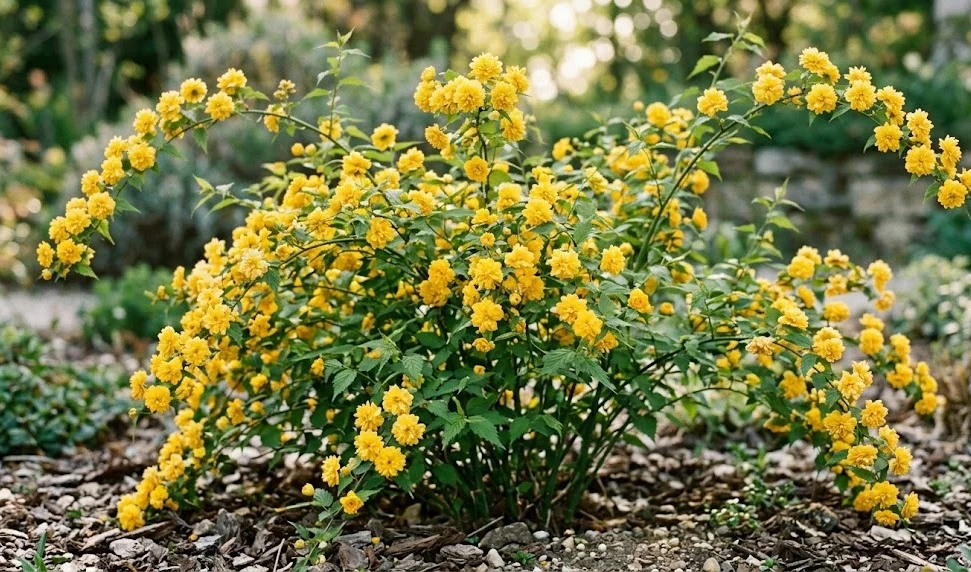

Managing the health and vitality of the Japanese kerria requires a nuanced understanding of its growth habits and environmental preferences. This deciduous shrub is prized for its bright yellow flowers and elegant, arching green stems that provide visual interest even during the winter months. To ensure a successful display, gardeners must balance the plant’s vigorous growth with strategic maintenance routines throughout the year. Achieving a professional standard of care involves monitoring soil conditions, light exposure, and the overall structural integrity of the plant’s branches.
Fundamentals of general maintenance
The daily upkeep of these shrubs focuses primarily on observing the health of the bright green bark and the vibrancy of the foliage. You should regularly inspect the stems for any signs of discoloration or dieback that might indicate underlying stress. Maintaining a tidy appearance is not just about aesthetics but also about preventing the buildup of old wood that can harbor pests. By keeping the center of the bush open, you allow for better air circulation and light penetration which are vital for longevity.
Soil consistency plays a critical role in the long-term success of your gardening efforts with this particular species. It is important to ensure that the ground remains consistently moist without becoming waterlogged or overly compacted. You might find that adding organic matter once a year helps to maintain the loose structure that the root system prefers for expansion. Healthy soil leads to robust stem development, which in turn supports the heavy weight of the spring blossoms.
Applying a layer of organic mulch around the base of the shrub is a professional technique that yields significant benefits. This layer helps to regulate soil temperature throughout the changing seasons and prevents rapid moisture evaporation during hot summer days. You should aim for a thickness of about two to three inches while being careful not to pile it directly against the stems. Over time, the decomposition of this mulch enriches the soil and mimics the natural forest floor environment where these plants thrive.
Structural support is rarely needed for smaller specimens, but as the shrub matures, its arching habit can become quite pronounced. You may need to monitor how the weight of the branches interacts with surrounding plants or garden pathways. In some cases, light thinning of the longest canes can help maintain a more upright and manageable form without sacrificing the natural grace of the plant. A well-maintained structure ensures that the shrub remains a focal point rather than becoming an overgrown thicket.
More articles on this topic
Enhancing the blooming cycle
The primary appeal of this shrub is undoubtedly its prolific flowering in early spring, which can be extended with proper care. You will notice that the most vibrant blooms appear on the previous year’s growth, making the timing of your interventions crucial. Encouraging a second, lighter flush of flowers in late summer is often possible through careful deadheading after the initial spring display. This practice redirects the plant’s energy from seed production back into vegetative growth and potential new buds.
Nutrient availability directly impacts the quantity and quality of the flowers you will see each year. While the plant is not a heavy feeder, providing a balanced environment allows it to reach its full genetic potential. You should avoid over-fertilizing with high-nitrogen products, as this often leads to excessive leaf growth at the expense of blossoms. Instead, focus on maintaining a stable supply of micronutrients that support the metabolic processes necessary for flower development.
Environmental stressors can sometimes cause the flower buds to drop prematurely or fail to open entirely. Late spring frosts are the most common culprit, so providing some temporary protection during sudden cold snaps can save the season’s display. You might also find that extreme drought during the bud formation period leads to smaller, less impressive flowers. Consistent care during the late winter and early spring weeks is the best way to guarantee a golden canopy.
The physical placement of the shrub within the garden landscape also influences how long the flowers will last. While the plant can handle various light levels, flowers in deep shade tend to be sparser, whereas those in full sun may fade more quickly. You can achieve the best results by finding a location that offers dappled sunlight or afternoon shade to preserve the petal color. Observing how light moves through your garden will help you fine-tune the care for maximum visual impact.
More articles on this topic
Soil health and drainage requirements
The root system of the Japanese kerria is relatively shallow but expansive, requiring a soil type that is both rich and well-draining. You will find that loamy soils with a high organic content provide the perfect balance of moisture retention and aeration. If your garden has heavy clay, it is advisable to incorporate compost or aged manure to improve the drainage capacity. Poorly drained soil can lead to root rot, which is often difficult to reverse once the symptoms appear on the leaves.
Maintaining a slightly acidic to neutral pH level is generally considered ideal for these deciduous shrubs. You should periodically test your soil to ensure that the acidity levels remain within the range of 6.0 to 7.0 for optimal nutrient uptake. If the soil becomes too alkaline, the plant may exhibit signs of chlorosis, where the leaves turn yellow while the veins stay green. Correcting the pH balance is a slow process that requires patience and regular monitoring of the plant’s response.
Compaction is a frequent issue in established gardens that can hinder the development of new suckers and roots. You can prevent this by avoiding heavy foot traffic near the base of the shrub and using stepping stones if necessary. Aerating the soil around the drip line occasionally can help oxygen reach the root zone more effectively. A loose, breathable soil structure is the foundation of a healthy and vigorously growing specimen.
Moisture management is a delicate dance between providing enough water and avoiding saturated conditions. During periods of heavy rainfall, you should check that water is not pooling around the crown of the plant for extended periods. If drainage is a persistent problem, creating a slight mound for planting can help move excess water away from the sensitive root area. Professional gardeners often use these subtle topographical adjustments to manage water flow in the landscape.
Seasonal care rhythms
Spring is the busiest time for maintenance as the plant breaks dormancy and prepares for its dramatic flowering event. You should begin by removing any dead or damaged wood that may have suffered during the cold winter months. As the new leaves emerge, keep a close eye on the hydration levels to support the rapid expansion of foliage. This is also the best time to apply a light application of compost to kickstart the growing season.
During the summer months, the focus shifts toward maintaining moisture and managing the shrub’s size. You will likely see rapid stem elongation during this period, which may require some light tipping to keep the plant within its allotted space. It is important to watch for signs of heat stress, such as drooping leaves during the hottest part of the afternoon. Providing deep, infrequent watering is more effective than shallow daily sprinkles for encouraging deep root growth.
Fall care involves preparing the plant for the upcoming dormant period and ensuring it is physically stable. You should gradually reduce any supplemental feeding to allow the new growth to harden off before the first frost arrives. Cleaning up fallen leaves around the base can help reduce the risk of fungal spores overwintering in the debris. This period is also an excellent time to evaluate the overall shape of the shrub and plan any major structural changes for the following year.
Winter maintenance is minimal but remains important for the health of the green stems that provide winter color. You should check the plant after heavy snowfalls to ensure that the weight of the snow hasn’t snapped the flexible canes. If you live in an area with high wind, providing a simple burlap screen can prevent the stems from drying out excessively. Observing the plant during its bare state allows you to see the true form and identify any crossing branches that need attention.
Aesthetic considerations and placement
The arching form of this shrub makes it an excellent choice for a variety of landscape styles, from cottage gardens to more formal borders. You can use its bright green stems to provide a backdrop for lower-growing perennials that bloom later in the season. Positioning it against a dark evergreen hedge can make the yellow flowers and green bark pop visually. Understanding the ultimate spread of the plant is key to ensuring it doesn’t crowd out its neighbors over time.
Integrating the Japanese kerria into a woodland garden setting takes advantage of its natural ability to thrive in partial shade. You can plant it under the high canopy of deciduous trees where it will receive filtered light throughout the day. In this environment, the plant often takes on a more relaxed and open habit that feels very organic. Combining it with ferns and hostas creates a lush, layered look that remains attractive even after the flowers have faded.
For those with smaller gardens, managing the spread of the shrub is a primary aesthetic concern. You can maintain a more compact form through regular thinning and by removing some of the suckers that emerge from the base. This keeps the plant looking like a deliberate specimen rather than an unruly thicket. Careful placement near a patio or walkway allows you to enjoy the fine texture of the leaves and the delicate beauty of the blossoms up close.
The winter appeal of the green stems should not be overlooked when deciding where to plant. You should consider placing the shrub in a spot where it can be seen from a window during the colder months of the year. When most other plants are brown and dormant, the vibrant green of the kerria stems provides a much-needed splash of color. This year-round interest makes it a highly valuable addition to any professional landscape design.
Troubleshooting common growth issues
When a Japanese kerria fails to thrive, the issue is often related to a mismatch between the environment and the plant’s needs. You might see a lack of flowers if the plant is pruned at the wrong time of year or if it is receiving too much nitrogen. If the stems are turning brown and brittle, it could be a sign of drought stress or a vascular issue within the plant. Diagnosing these problems early allows you to make the necessary adjustments before the plant’s health declines significantly.
Yellowing leaves can be a confusing symptom because it may indicate either too much or too little water. You should check the soil moisture levels several inches below the surface to determine the true cause of the problem. If the soil is dry, an immediate deep watering session is required to revive the foliage. On the other hand, if the soil is soggy, you may need to improve the drainage or reduce your watering frequency.
Leggy growth is another common complaint among gardeners who find their shrubs becoming sparse at the base. This often happens when the plant is reaching for more light or when it hasn’t been thinned out in several years. You can encourage a fuller, bushier habit by cutting back some of the oldest canes right to the ground level. This stimulates the production of new shoots from the base, which will eventually fill in the empty spaces.
Pest and disease issues are relatively rare but can occur if the plant is already weakened by poor environmental conditions. You should stay vigilant for signs of leaf spot or twig blight, especially during particularly wet spring seasons. Removing and destroying affected plant material is usually the first step in managing these minor outbreaks. A healthy plant with proper spacing and airflow is much less likely to suffer from significant infestations.
Long-term sustainability and vigor
Ensuring the longevity of your Japanese kerria involves a commitment to regular, moderate interventions rather than occasional drastic measures. You should aim to rejuvenate the plant every few years by removing about a third of the oldest stems to the ground. This constant renewal process keeps the shrub young and prevents it from becoming overly woody and unproductive. Professional gardeners know that a proactive approach to maintenance leads to a much more resilient plant.
Climate adaptability is one of the strengths of this species, but extreme weather patterns can still pose a challenge. You should monitor how your specific microclimate affects the plant’s growth and adjust your care routine accordingly. For example, in warmer regions, providing more shade and mulch may be necessary to combat high temperatures. Being flexible and responsive to the plant’s signals is the hallmark of an expert gardener.
The ecological role of the shrub in your garden is also worth considering as part of a sustainable care plan. It provides early-season nectar for pollinators and cover for small birds throughout the year. By avoiding harsh chemicals and focusing on organic care methods, you support a healthier local ecosystem. A thriving Japanese kerria is not just a beautiful sight but also a functional part of a living garden.
In conclusion, the successful care of this remarkable shrub is a rewarding endeavor that combines technical knowledge with observational skills. You will find that the time invested in soil preparation, proper watering, and strategic pruning pays off in a stunning annual display. As the seasons pass, your understanding of the plant’s unique personality will grow, allowing you to refine your techniques. With consistent attention, the Japanese kerria will remain a vibrant and healthy cornerstone of your garden for many years to come.