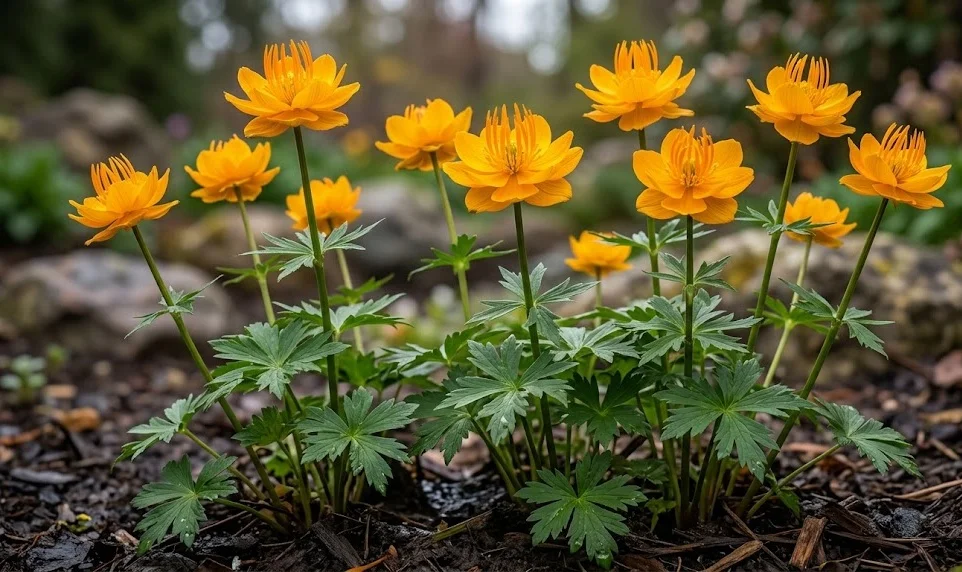

Mastering the cultivation of the Chinese globeflower requires a blend of patience and horticultural precision to truly bring out its vibrant potential in a garden. This striking perennial is prized for its bowl-shaped, brilliant orange flowers that rise above deeply lobed, dark green foliage during the late spring months. Understanding its fundamental needs is the first step toward ensuring that these plants return year after year with increasing vigor and beauty. By providing a habitat that mimics its natural cool and moist origins, you can create a stunning visual focal point in your landscape.
Successful maintenance begins with recognizing that this species thrives best in consistently cool environments where the soil never completely dries out. You should monitor the moisture levels daily during the height of summer to prevent the leaves from scorch or wilting. Mulching around the base of the plant can significantly help in retaining ground moisture while keeping the root zone at an ideal temperature. A thick layer of organic compost or shredded bark serves as an excellent insulator against the midday heat.
As the plant matures, it becomes a robust addition to the garden, but it still requires regular observation to ensure its continued health. You should look for signs of stress, such as yellowing lower leaves, which might indicate a need for more frequent hydration or better nutrient availability. Dividing the clumps every few years not only helps in managing the plant’s size but also rejuvenates its growth and flowering capacity. This process ensures that the center of the clump does not become overly woody or unproductive over time.
Establishing a routine for seasonal care will allow the Chinese globeflower to reach its full height and produce its signature towering blooms. During the early spring, you should clear away any debris from the previous season to allow new shoots to emerge without obstruction. Providing a slow-release organic fertilizer at this stage can give the plant the necessary boost to develop strong stems and lush foliage. Consistent care throughout the growing season will ultimately reward you with a spectacular display of golden-orange color.
Environmental stability and site management
The physical location of your globeflower determines much of its long-term success and resistance to environmental stressors. It prefers a spot that offers a respite from the intense afternoon sun, particularly in regions where summers are traditionally hot and dry. Placing it near a water feature or in a naturally damp part of the yard can provide the microclimate it craves. If the soil is naturally sandy, you must work in significant amounts of organic matter to improve its water-holding capacity.
More articles on this topic
Air circulation is another critical factor that you must consider when choosing the perfect spot for your planting. While the plant loves moisture, stagnant air combined with high humidity can lead to fungal issues on the foliage. Space your plants far enough apart to allow breezes to move through the leaves, which helps keep the surfaces dry after rain or morning dew. This proactive approach to site management reduces the need for chemical interventions later in the season.
During periods of extreme weather, such as unexpected heatwaves, you may need to provide temporary shade to protect the delicate blooms. Using a light shade cloth or strategically placing taller companion plants can offer the necessary protection against UV damage. If the plant experiences a significant dry spell, it may enter a premature dormancy as a survival mechanism. While the plant usually recovers, it is better to maintain consistent conditions to avoid interrupting its growth cycle.
Long-term site management involves observing how the surrounding landscape changes as other trees and shrubs grow. Over time, a once-perfect sunny spot might become too shaded, or a damp area might dry out due to the root systems of larger neighbors. You should be prepared to adapt your care routine or even relocate the globeflower if the environment shifts too drastically. Keeping a garden journal can help you track these changes and make informed decisions about necessary adjustments.
Advanced soil preparation and enrichment
The quality of the soil serves as the bedrock for the health of the Chinese globeflower, necessitating a rich and loamy structure. You should aim for a soil profile that is heavy in organic content, such as well-rotted manure or leaf mold, to provide a steady supply of nutrients. Ideally, the pH should remain slightly acidic to neutral, as this range facilitates the optimal uptake of essential minerals. Testing your soil before the growing season begins will tell you exactly which amendments are required for the best results.
More articles on this topic
Heavy clay soils can be beneficial for these plants because they naturally retain the moisture that globeflowers so desperately need. However, you must ensure that the soil does not become waterlogged or anaerobic, which can lead to root rot. Incorporating fine grit or composted bark can help maintain a balance between moisture retention and necessary drainage. This structural improvement allows the roots to breathe while still having access to a constant supply of water.
Surface feeding is an effective way to maintain high nutrient levels without disturbing the sensitive root systems of established plants. You can apply a top-dressing of rich compost each spring, gently working it into the upper layer of the soil around the drip line. This method mimics the natural forest floor where decaying organic matter continuously replenishes the earth. Avoid using high-nitrogen fertilizers late in the season, as this can stimulate soft growth that is more susceptible to frost damage.
Understanding the microbial life within your soil can also enhance the vitality of your Chinese globeflower. Beneficial fungi and bacteria work in tandem with the plant’s roots to break down organic matter and fight off pathogens. You can support this ecosystem by avoiding the excessive use of synthetic chemicals and by maintaining a consistent mulch layer. A healthy soil biome ensures that your plants have a resilient foundation and can withstand minor environmental fluctuations more easily.
Strategic companion planting and aesthetics
Choosing the right neighbors for your globeflower can enhance both the visual appeal of your garden and the health of the plants. Moisture-loving perennials like hostas, Siberian irises, and ferns make excellent companions that share similar cultural requirements. The broad leaves of hostas can provide cooling ground cover, which helps keep the soil moist for the globeflower’s roots. This synergy creates a lush, bog-garden feel that looks natural and professionally designed.
From a design perspective, the brilliant orange of the Chinese globeflower contrasts beautifully with blue or purple flowering plants. Consider planting Nepeta or blue salvias nearby to create a dynamic color palette that draws the eye. The differing heights of these plants add vertical interest and layers to your garden borders, making them appear more full and complex. This thoughtful arrangement ensures that there is always something interesting to look at throughout the spring and summer.
You can also use the globeflower to bridge the gap between more formal garden areas and wilder, naturalized zones. Its structural form and bright colors help transition the eye from manicured lawns to the softer edges of woods or ponds. When planted in large drifts, they create a sea of orange that is truly breathtaking when viewed from a distance. Grouping at least three to five plants together is usually recommended to achieve the most significant visual impact.
Finally, consider the seasonal succession of your garden when placing these plants within your landscape. Since globeflowers bloom early in the season, you should plant them near late-summer perennials like Rudbeckia or Asters. This ensures that as the globeflower foliage begins to fade or recede, other plants are ready to take over the space and provide color. Proper planning allows your garden to maintain its beauty from the first thaw of spring until the first frost of autumn.
Monitoring growth and developmental stages
As the Chinese globeflower transitions from its early spring emergence to its full summer height, close monitoring is essential. You should watch the development of the flower spikes, ensuring they have enough strength to support the heavy blooms. In some cases, if the soil is exceptionally rich or the area is windy, you might need to provide discreet staking. Using natural materials like bamboo or twiggy brush can offer support without detracting from the plant’s natural beauty.
The flowering period typically lasts several weeks, during which the plant is at its peak physiological demand. You should ensure that water delivery is consistent and reaches deep into the root zone during this time. Observing the petals can give you clues about the plant’s hydration status; if they appear papery or thin, increase your watering frequency. This careful attention during the blooming phase will prolong the life of each flower and keep the plant looking fresh.
Once the initial flush of flowers begins to fade, you have the opportunity to influence the plant’s next steps. Removing the spent blooms, a process known as deadheading, prevents the plant from putting all its energy into seed production. This often results in a secondary, though usually smaller, flush of leaves and occasionally more flowers later in the season. It also keeps the overall appearance of the plant tidy and prevents it from looking ragged as the summer progresses.
The post-bloom phase is a time for the plant to rebuild its energy reserves for the following year’s growth. You should continue to water and provide light nutrition even after the flowers are gone to support the foliage. The green leaves remain attractive for quite some time and continue to photosynthesize, storing starch in the rhizomatous roots. Keeping the foliage healthy throughout the late summer is the best way to ensure a spectacular performance in the coming spring.
Professional techniques for long-term health
For those looking to maintain a collection of Chinese globeflowers over many years, professional division techniques are vital. Every three to four years, you should lift the entire clump in early spring or late autumn when the plant is dormant. Use a sharp, sterilized spade to divide the crown into several smaller pieces, each with at least two or three growing points. This process prevents the center of the plant from dying out and ensures that each new section has plenty of room to expand.
When replanting these divisions, it is important to enrich the new holes with fresh compost and a handful of bone meal. Position the crowns at the same depth they were growing previously to avoid burying them too deep, which can lead to rot. Firm the soil around the roots to eliminate air pockets and water deeply immediately after planting. These new sections will usually take a season to establish before they return to their full flowering potential.
Another professional tip involves the use of foliar feeds during the height of the growing season to supplement soil nutrition. A diluted seaweed extract or compost tea can be sprayed directly onto the leaves to provide trace minerals and boost immunity. This is especially helpful during particularly wet or cool summers when soil nutrient uptake might be slower than usual. Always apply these sprays in the early morning so the leaves have time to dry before the sun becomes too intense.
Maintaining a clean garden environment is the final piece of the puzzle for long-term globeflower health. Removing fallen leaves and spent stems at the end of every season prevents the overwintering of pests and pathogens. This hygienic practice, combined with regular soil testing and proper watering, creates a resilient plant that can live for decades. With these expert strategies, your Chinese globeflowers will remain a highlight of your garden for many years to come.
Managing seasonal transitions and dormancy
As autumn approaches, the Chinese globeflower naturally begins to slow its growth and prepare for the coming cold. You will notice the foliage starting to turn yellow and then brown as the nutrients are pulled back into the root system. It is important to let this process happen naturally rather than cutting the plant back too early in the season. The dying foliage provides a bit of natural protection for the crown as the temperatures start to drop.
Once the first hard frost has occurred, you can safely cut the stems back to within a few inches of the ground. This cleanup prevents the hollow stems from collecting water, which could freeze and damage the crown over the winter. Applying a fresh layer of mulch at this time will help insulate the roots against the freeze-thaw cycles that can heave plants out of the ground. A stable soil temperature is the key to a successful overwintering process for these hardy perennials.
During the winter months, the plant requires very little attention, but you should still check the garden after major storms. Ensure that the mulch hasn’t been washed away and that no standing water is pooling over the dormant crowns. While the plants are incredibly cold-hardy, they do not tolerate being encased in ice for extended periods. Keeping the drainage paths clear will ensure that as the snow melts in spring, the water can move away freely.
The return of spring brings the cycle back to the beginning as the first purple-tinged shoots emerge from the soil. You should remove the winter mulch gradually to avoid shocking the new growth with sudden exposure to bright light or cold winds. This is the perfect time to evaluate the health of the plant and decide if any divisions or relocations are necessary. Starting the season with a clear plan ensures that your Chinese globeflowers will continue to thrive and dazzle everyone who sees them.