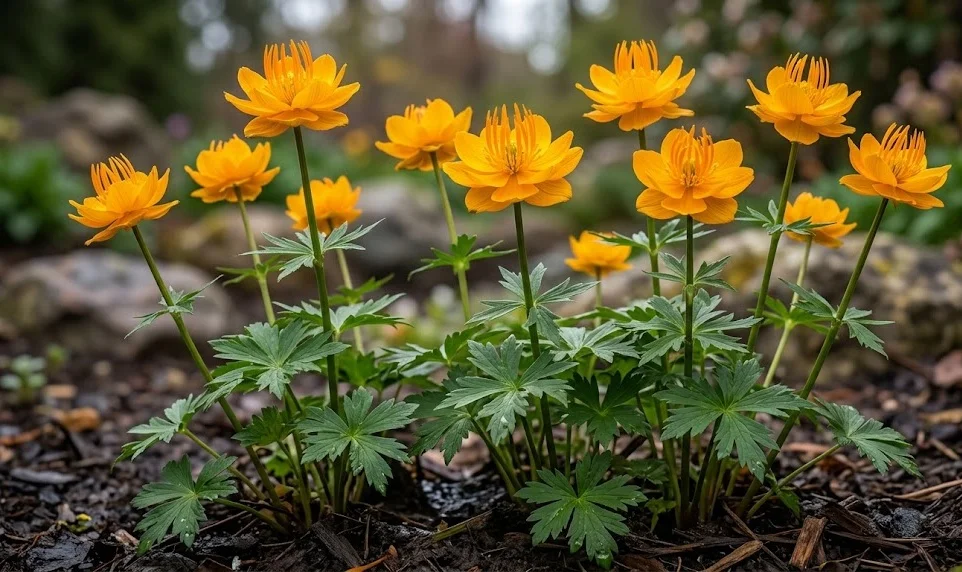

Preparing the Chinese globeflower for the winter months is a straightforward process, but it is one that requires careful timing to ensure the plant’s survival. This perennial is naturally adapted to cold climates, having originated in regions with harsh winters, so it possesses a high level of inherent hardiness. However, the transition from the active growing season to a state of total dormancy must be managed to protect the delicate crown and root system. By following a few expert steps, you can ensure that your globeflowers emerge even stronger when the spring thaw arrives.
The process of overwintering begins in the late summer and early autumn when you should start tapering off any supplemental feeding. You want to avoid encouraging new, tender growth that won’t have enough time to “harden off” before the first hard freeze. Instead, let the plant focus its energy on consolidating its reserves and preparing its underground rhizomes for the cold. Continued watering during dry autumn spells is still important, as a well-hydrated plant is always more resilient to extreme temperatures.
As the days grow shorter and temperatures drop, you will see the vibrant green foliage of the globeflower begin to fade and turn yellow or brown. This is a natural and necessary part of the plant’s life cycle, as it pulls nutrients from the leaves back down into the root system. You should resist the urge to cut the foliage back while it is still green, as this deprives the plant of valuable energy. Only after the foliage has completely died back and a couple of hard frosts have occurred should you reach for your pruning shears.
Once the plant is fully dormant, you can cut the stems back to within two or three inches of the soil surface. This cleanup not only makes the garden look tidier but also removes potential hiding spots for pests and fungal spores that might overwinter in the debris. Removing the old stems also prevents the “wicking” of moisture into the crown, which can sometimes lead to rot in very wet winter climates. After the cleanup, the stage is set for the final protective measures that will see the plant through the darkest months.
Protective mulching and soil insulation
Mulching is the most effective tool you have for protecting the Chinese globeflower from the unpredictable nature of winter weather. While the plants are cold-hardy, they can be damaged by “frost heaving,” where the repeated freezing and thawing of the soil pushes the plant out of the ground. A thick layer of organic mulch acts as an insulator, keeping the soil temperature more stable and preventing these rapid shifts. You should aim for a layer about three to four inches deep, applied once the ground has started to freeze.
More articles on this topic
Choosing the right material for your winter mulch is important for maintaining the health of the plant’s crown. Pine needles, shredded bark, or evergreen boughs are excellent choices because they provide insulation without becoming a soggy, compressed mat. Avoid using heavy, wet leaves that can pack down and cut off oxygen to the dormant roots, which can lead to crown rot. The goal is to create a “blanket” that is both insulating and breathable, allowing for some air movement even under a layer of snow.
If you live in an area with particularly severe winters or very little snow cover, you might consider a slightly more robust approach. Creating a small mound of soil or compost over the crown can provide an extra layer of protection against the biting winds and extreme lows. Just be sure to spread this material back out in the spring as soon as the ground begins to thaw. This extra effort can be the difference between a plant that merely survives and one that thrives and blooms spectacularly.
In regions where the winter is more wet than cold, drainage becomes the primary concern for overwintering globeflowers. You must ensure that the site where they are planted doesn’t collect standing water or become a muddy bog during the winter rains. If necessary, you can lightly mound the soil before applying mulch to encourage excess water to run away from the center of the plant. A dormant globeflower can handle a lot of cold, but it will quickly perish if its roots are submerged in ice-cold, stagnant water for weeks on end.
Monitoring during the dormant season
Even though the Chinese globeflower is dormant, it is a good idea to check on your garden occasionally during the winter months. After a major windstorm or a period of heavy rain, inspect the mulch to make sure it hasn’t been washed or blown away. If the crowns of your plants become exposed, simply tuck the mulch back around them to restore their protection. This minimal maintenance takes very little time but provides significant peace of mind for the concerned gardener.
More articles on this topic
If you experience a mid-winter thaw where temperatures rise significantly for several days, keep an eye out for any premature growth. While it is rare for globeflowers to wake up too early, a very warm spell followed by a sudden deep freeze can be stressful for any perennial. If you see green tips starting to poke through, you may want to add a little extra loose mulch or evergreen boughs to shield them. Protecting these early buds ensures that the plant’s main flowering energy isn’t wasted on growth that will just get nipped by the frost.
Snow is actually a gardener’s best friend during the winter, as it provides the most effective natural insulation possible. A thick, fluffy blanket of snow keeps the ground at a remarkably consistent temperature, regardless of how cold the air gets above it. If you have to shovel snow from your paths, consider piling some of it over your globeflower beds for extra protection. Just be careful not to use snow that has been treated with de-icing salts, as these can be toxic to plants as they melt into the soil.
Finally, winter is the perfect time to plan any changes or additions you want to make to your globeflower collection in the coming year. Since the plants are invisible above ground, you should have marked their locations with stakes or a garden map earlier in the autumn. Knowing exactly where they are allows you to work in the garden without accidentally stepping on or digging up the dormant crowns. This quiet period of reflection and planning is one of the most rewarding parts of the gardening cycle.
Spring re-emergence and transition care
The arrival of spring marks the end of the overwintering process and the beginning of a new cycle of growth for the Chinese globeflower. You will know it is time to act when you see the first signs of other early perennials or bulbs starting to emerge. Gradually begin to pull back the winter mulch from the center of the crown to allow the sun to warm the soil. Do this in stages over a week or two rather than all at once to avoid shocking the plant with a sudden change in temperature.
As the first purple or dark green shoots appear, you can fully remove the excess mulch and clear away any remaining debris from the previous year. This is the ideal time to apply a light top-dressing of fresh compost or a slow-release organic fertilizer to give the plant a head start. Be very careful when working around the new shoots, as they are quite brittle and can easily be snapped off. Once the soil has warmed up and the risk of a hard freeze has passed, the plant will begin to grow with remarkable speed.
If you noticed any issues with drainage or overcrowding during the previous season, the early spring is the best time to address them. You can lift and move the plants or divide large clumps just as they are starting to wake up. The cool, moist conditions of early spring are perfect for helping these divisions establish themselves before the demands of summer arrive. Starting the season with healthy, well-spaced plants is the best way to ensure a spectacular bloom in late spring.
Proper overwintering is less about complex maneuvers and more about understanding the natural rhythm of the Chinese globeflower. By providing a clean dormant environment and a bit of extra insulation, you are working with the plant’s natural hardiness. These simple steps ensure that your garden remains a stable and supportive home for these beautiful perennials year after year. Watching the first shoots emerge from the cold earth is a powerful reminder of the resilience of nature and the rewards of good stewardship.