
Pruning is a vital yet often misunderstood aspect of caring for the Chinese globeflower, as it serves both aesthetic and functional purposes throughout the growing season. Unlike woody shrubs that require heavy structural pruning, this herbaceous perennial needs a more delicate touch focused on rejuvenation and hygiene. By knowing when and how to cut back your plants, you can encourage a longer blooming period and maintain a tidy appearance in your garden. Proper pruning techniques are a simple way to boost the overall health and vigor of your globeflowers over many years.
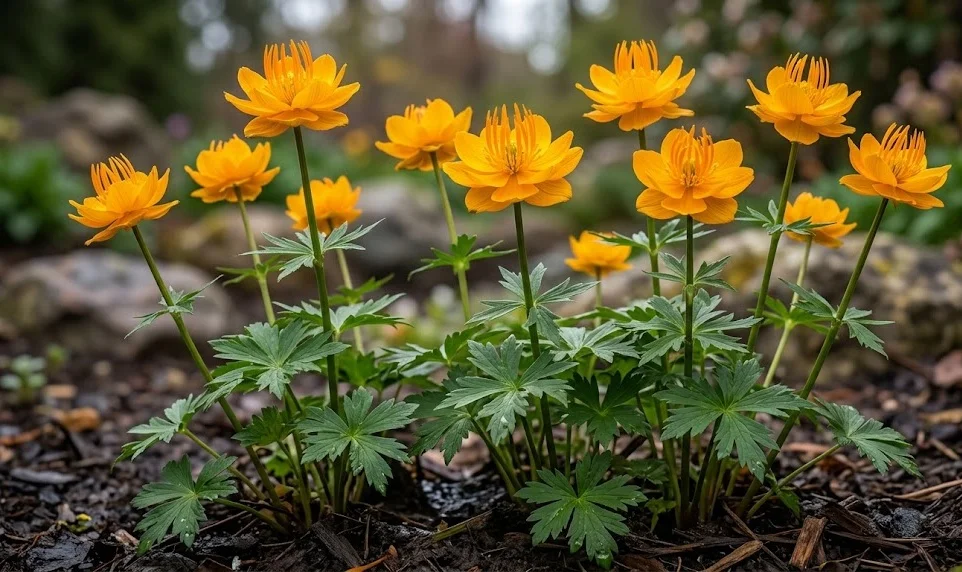
The first type of pruning you will encounter is “deadheading,” which involves removing the spent flower heads as they begin to fade. When the brilliant orange petals start to drop, the plant begins to shift its energy away from growth and toward the production of seeds. By cutting the flower stalks back to the first set of healthy leaves, you signal to the plant that its reproductive work is not yet finished. This often results in the development of secondary flower buds and keeps the plant focused on maintaining its lush green foliage.
Beyond the immediate benefit of potential reblooming, deadheading also keeps the Chinese globeflower from looking ragged and messy as the summer progresses. The tall flower stalks can sometimes become top-heavy or snap in the wind once the blossoms have withered, detracting from the beauty of the garden. Removing these stalks creates a much cleaner silhouette and allows the deeply lobed, attractive leaves to take center stage. This simple task can be done every few days during the peak of the season and takes only a few minutes of your time.
When deadheading, it is important to use sharp, clean shears to make a clean cut and avoid crushing the stems. A ragged cut can provide an entry point for diseases or pests, which can then travel down into the main body of the plant. Make your cut at a slight angle just above a node or a leaf junction to encourage new growth to emerge from that point. This attention to detail ensures that the plant recovers quickly and continues to look its best throughout the warm months.
Autumn rejuvenation and end of season cleanup
As the growing season comes to an end and the first frosts arrive, the Chinese globeflower will naturally begin to die back to the ground. This transition period is the time for a more substantial “cutting back” that prepares the plant for its winter dormancy. You should wait until the foliage has completely turned yellow or brown before you perform this task, as the plant is still busy pulling nutrients back into its roots. Cutting the foliage too early can weaken the plant and result in a less impressive display the following spring.
More articles on this topic
Once the leaves are fully dormant, you can cut the entire plant down to within two or three inches of the soil surface. This removal of old tissue is essential for garden hygiene, as it eliminates the places where pests and fungal spores might hide during the winter. It also prevents the hollow stems from collecting water, which can freeze and cause damage to the sensitive crown of the plant. A clean, well-pruned plant is much less likely to suffer from rot or disease during the damp, cold months of winter.
In some cases, if the plant was particularly healthy and the autumn is mild, you might notice a fresh flush of small green leaves near the base of the plant. It is perfectly fine to leave this “basal growth” intact as it can provide a little extra protection for the crown. However, all the tall, spent stems from the summer should definitely be removed to keep the area tidy. This annual cleanup is a satisfying way to close out the gardening year and set the stage for a fresh start in the spring.
If you have experienced any major pest or disease issues during the summer, it is extra important to dispose of the pruned material carefully. Do not put infected foliage or stems into your home compost pile, as the temperatures may not get high enough to kill off the pathogens. Instead, bag the material and put it in the trash or take it to a professional green-waste facility. This proactive step is one of the best things you can do to ensure a healthy and vibrant garden for the next season.
Tools and precision techniques for expert pruning
Using the right tools for pruning your Chinese globeflowers makes the job easier for you and much better for the plants. A pair of small, sharp bypass pruners is usually the best choice for this task, as they allow for precise cuts in tight spaces. For the softer, green stems of the early season, a sharp pair of garden scissors can also work very well. Always make sure your tools are clean and free of rust; wiping the blades with a bit of rubbing alcohol between plants is a professional secret to prevent the spread of disease.
More articles on this topic
When you are cutting back large clumps in the autumn, you might find that the stems are quite tough and fibrous. In this situation, a larger pair of garden shears can help you clear the material more efficiently, but you should still go back and tidy up the cuts near the crown with your smaller pruners. Precision is key because you want to avoid nicking the dormant buds that are already forming for the next year. A careful, systematic approach to pruning will yield the best results and keep your plants in top condition.
It is also worth noting that pruning can be used to manage the size and shape of your Chinese globeflowers if they are growing in a limited space. While they don’t respond to “shaping” in the same way a hedge does, you can selectively remove larger leaves or outer stems to keep the plant from encroaching on its neighbors. This thinning out also has the added benefit of increasing air circulation through the center of the plant, which is a major factor in preventing powdery mildew.
Finally, remember that pruning is a skill that you will improve upon with every season you spend in the garden. Don’t be afraid to experiment with the timing of your deadheading or the height at which you cut back your plants in the autumn. Observe how the plants respond to your touch and adjust your technique accordingly to suit your specific garden conditions. With a little practice, your pruning routine will become a natural and rewarding part of your journey with the beautiful Chinese globeflower.