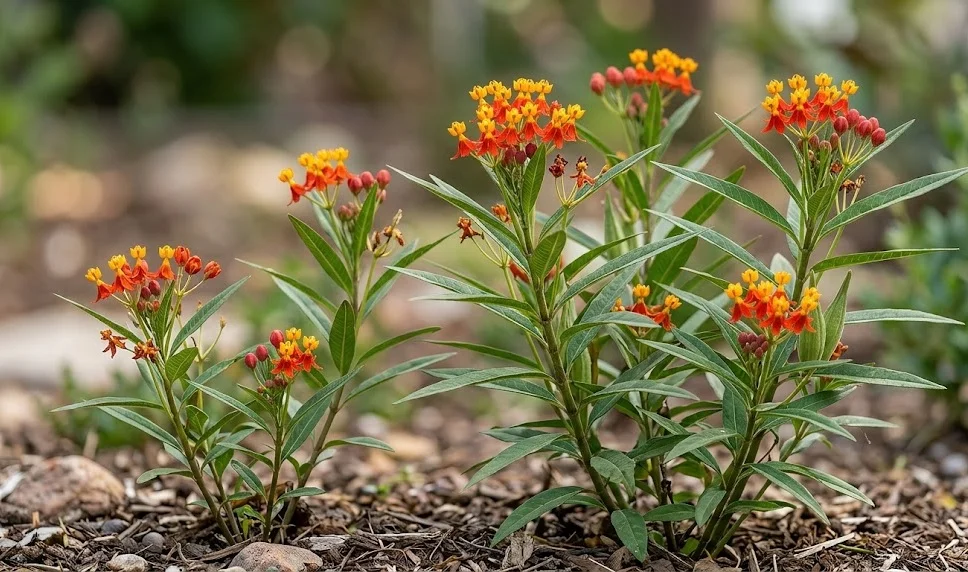

Planting and propagating tropical milkweed is an essential skill for any gardener who wishes to expand their collection or share this beautiful species with others. Whether you are starting from seeds or taking cuttings from an established plant, the process requires patience and a gentle touch to be successful. Understanding the biological requirements of the species during its early stages will ensure that your young plants grow into strong and healthy adults. This professional guide will walk you through the most effective methods for increasing your plant population while maintaining high standards of garden health.
The first step in any planting project is to select the highest quality starting materials available to you. If you are using seeds, ensure they are fresh and have been stored in a cool, dry place to maintain their viability. For cuttings, only choose healthy, vigorous stems from a plant that shows no signs of disease or pest infestation. Starting with the best possible stock significantly increases your chances of success and results in more resilient plants. A professional approach begins with careful selection and preparation long before the first shovel hits the dirt.
Preparation of the growing medium is just as important as the selection of the plant material itself. A specialized seed-starting mix provides the light, airy texture that delicate new roots need to penetrate and grow. If you are planting directly into the garden, take the time to loosen the soil and incorporate some compost to improve nutrient levels. The goal is to create an environment where the young plant can establish itself quickly without having to fight through compacted or poor-quality earth.
Timing your planting activities with the natural cycles of the weather will give your new plants the best possible start. In most regions, late spring is the ideal time to move young plants outdoors once the danger of frost has completely passed. The increasing day length and warming temperatures provide the energy needed for rapid development and root establishment. By following these foundational principles, you can transform a handful of seeds into a thriving colony of beautiful plants.
Starting from seeds for best results
Growing from seeds is a cost-effective and rewarding way to produce a large number of plants for your landscape. You should start the seeds indoors about six to eight weeks before the last expected frost in your area to give them a head start. Using a shallow tray with a clear lid helps maintain the high humidity levels that encourage consistent germination. Place the tray in a warm, bright location, but avoid direct, harsh sunlight that could dry out the soil too quickly.
More articles on this topic
The depth at which you plant the seeds is a critical factor that can influence how many of them actually sprout. Generally, you should cover the seeds with only a very thin layer of fine soil or vermiculite, as they may need some light to trigger germination. Keeping the surface consistently moist with a gentle spray bottle prevents the seeds from being dislodged or buried too deeply. Within a week or two, you should see the first tiny green shoots emerging from the growing medium.
Once the seedlings have developed their first set of true leaves, they will need more space and nutrients to continue their growth. This is the time to carefully transplant them into individual small pots where they can develop a stronger root system. Handle the young plants by their leaves rather than their stems to avoid damaging the delicate vascular tissues. Providing a weak solution of liquid fertilizer at this stage can help support their rapid development and prepare them for the move outdoors.
Before the plants are moved permanently to the garden, they must undergo a process called hardening off. This involves gradually exposing the young seedlings to outdoor conditions over a period of about ten days. Start by placing them in a shaded, protected area for a few hours each day and slowly increase their time in the sun and wind. This gradual transition prevents transplant shock and ensures that the plants are tough enough to survive the realities of the outdoor environment.
Successful propagation through stem cuttings
Propagation via cuttings is an excellent way to create exact clones of a particularly beautiful or strong plant in your collection. The best time to take cuttings is during the active growing season when the stems are flexible but starting to mature. You should use a sharp, sterilized knife or shears to make a clean cut just below a leaf node. Removing the lower leaves from the cutting will reduce moisture loss and provide a clear space for new roots to emerge.
More articles on this topic
Using a rooting hormone can significantly speed up the process and increase the success rate of your cuttings. Dip the cut end into the powder or gel before placing it into a pot filled with a moist, sandy propagation mix. Creating a small “tent” with a plastic bag can help maintain the high humidity around the cutting while it lacks roots to take up water. Keep the cuttings in a warm place with bright, indirect light until you see signs of new growth at the tips.
Checking for root development can be done by giving the cutting a very gentle tug after a few weeks. If you feel resistance, it means that the roots are starting to take hold and anchor the plant in the soil. At this point, you can begin to gradually remove the plastic covering and acclimate the new plant to drier air. It is important to keep the soil consistently moist but never soggy during this critical phase of development.
Once the cutting has established a healthy root system, it can be treated like any other young plant in your garden. You might want to keep it in a pot for a few more weeks until it reaches a more substantial size before planting it in its final location. This method allows you to quickly expand your garden with plants that you already know will perform well in your specific conditions. It is a favorite technique among professional horticulturists for its efficiency and reliability.
Preparing the garden bed for planting
A well-prepared garden bed is the foundation of a healthy and long-lived planting of this species. Start by removing all weeds and grass from the area to eliminate competition for water and nutrients. Turning over the soil to a depth of about twelve inches will improve drainage and make it easier for roots to spread. If your soil is particularly sandy or heavy with clay, adding organic compost can help balance its texture and fertility.
The orientation of the bed should take into account the path of the sun to ensure the plants receive maximum light throughout the day. This species loves the sun, so a south-facing location is usually the best choice for vigorous growth and abundant flowering. You should also consider the height of neighboring plants to ensure that the milkweed will not be shaded out as the season progresses. Proper planning at this stage prevents the need for moving plants later in the year.
Leveling the surface of the bed after digging will prevent water from pooling in low spots and causing root issues. You can use a garden rake to create a smooth, even surface that is ready for the young plants or seeds. If you live in an area with heavy rainfall, creating slightly raised mounds can help with drainage and protect the roots from becoming waterlogged. These structural considerations are part of a professional approach to landscape management and design.
Applying a thin layer of mulch after planting can help stabilize the soil temperature and retain moisture during the establishment phase. However, be careful not to pile the mulch directly against the stems of the plants, as this can encourage rot. Organic mulches like wood chips or shredded leaves will eventually break down and feed the soil, creating a self-sustaining cycle of health. A professional-looking garden bed is not just about aesthetics; it is about functional excellence.
Transplanting and early establishment care
Transplanting should be done on a cloudy day or in the late afternoon to minimize the stress on the young plants. Dig a hole that is slightly larger than the root ball of the plant and gently place it at the same depth it was growing in the pot. Firm the soil around the base to remove any air pockets and provide immediate support for the stem. Watering thoroughly right after transplanting helps settle the soil and provides the hydration needed for recovery.
During the first few weeks in the garden, the young plants will require more frequent attention than established ones. You should check the soil moisture daily and provide water whenever the top inch of soil feels dry to the touch. Avoid the temptation to fertilize immediately, as the plant needs time to adjust to its new surroundings before being pushed to grow. Your main goal during this period is to ensure the plant survives the transition and begins to put down new roots.
Protecting the young plants from physical damage is also important during the early establishment phase. You might need to use small stakes or cages if the area is prone to high winds or if there are large animals that might step on the delicate stems. Keeping a close eye on the plants will allow you to catch any signs of stress or pest activity early on. This attentive care during the “infancy” of the plant leads to a much more successful and professional outcome.
Once you see new leaves beginning to form, it is a clear sign that the plant has successfully established itself in the garden. You can then begin to transition to a more regular maintenance routine as described in general care guides. The satisfaction of seeing a plant you started from a tiny seed or a simple cutting reach maturity is one of the greatest joys of gardening. By following these professional steps, you have ensured a bright future for your tropical milkweed collection.