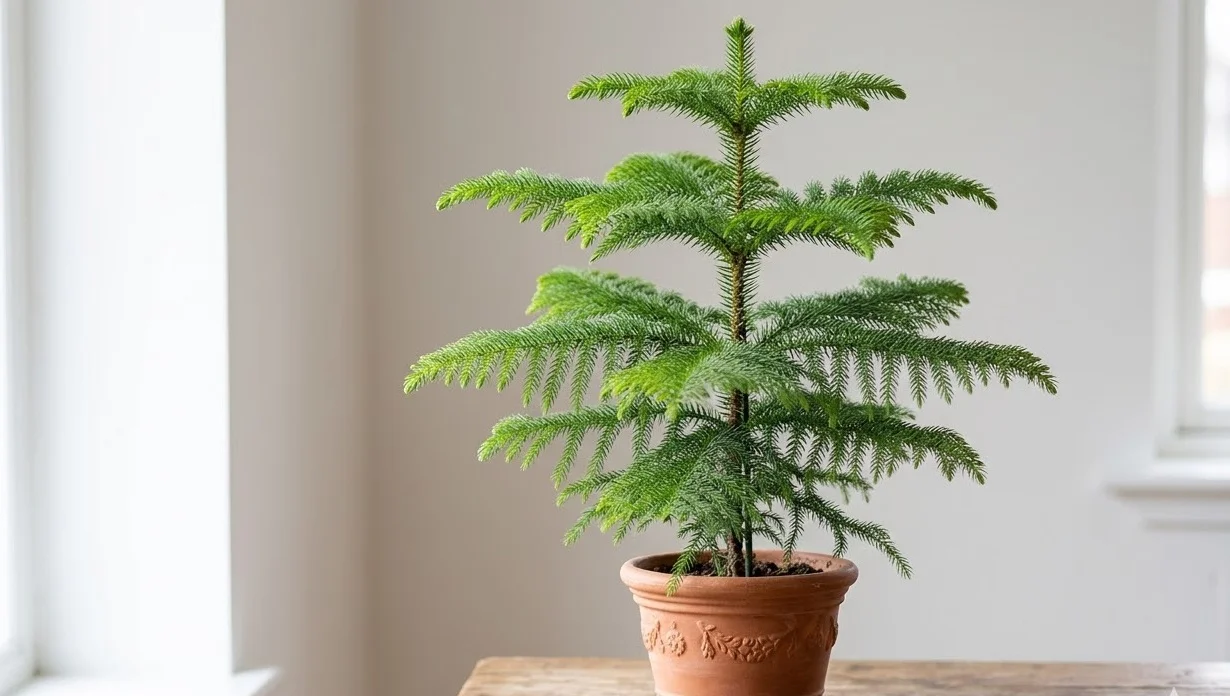

Preparing a Norfolk Island pine for the winter months is a critical task for anyone living outside of a strictly tropical climate. As the days grow shorter and the indoor environment changes due to heating systems, the tree enters a phase of reduced activity. This period requires a specialized approach to maintenance that prioritizes protection and conservation of the plant’s resources. Successfully navigating the winter ensures that the tree emerges in the spring with its structure intact and its energy levels replenished.
The most significant challenge during the winter is the dramatic drop in ambient humidity caused by indoor heating. In its native habitat, this tree enjoys constant moisture from the surrounding ocean, which is a far cry from a typical winter living room. You must take active steps to maintain a humidity level of at least fifty percent to prevent the needles from drying out and falling. Using a dedicated room humidifier is often the most reliable way to achieve this goal during the coldest months.
Temperature stability is equally important, as the tree should be kept away from both freezing drafts and hot air vents. While they can tolerate cooler temperatures than many other tropical plants, they should never be exposed to actual frost. Ideally, the winter environment should stay between ten and fifteen degrees Celsius to encourage a healthy period of semi-dormancy. This slight cooling helps the plant rest and prevents the weak, leggy growth that occurs when it is kept too warm in low light.
Adjusting the maintenance routine
Watering practices must be modified significantly during the winter to account for the slower evaporation rate and the plant’s reduced thirst. You should wait until the soil is dry significantly deeper into the pot before adding any fresh water. It is very easy to overwater during this time, leading to the root rot issues mentioned in previous articles. Always check the moisture level manually rather than following the same schedule you used during the height of the summer.
Fertilization should be stopped entirely from late autumn until the first signs of new growth appear in the spring. Adding nutrients during the dark months can force the plant to produce new shoots that are thin, pale, and structurally weak. By allowing the tree to rest, you are helping it build up the internal reserves it needs for a vigorous spring flush. Respecting this natural cycle is a key part of professional plant management that ensures long-term vitality.
More articles on this topic
Light availability is often at its lowest during the winter, which can lead to the tree becoming sparse and losing its symmetrical shape. You should move the tree to the brightest possible location, such as a south-facing window, to maximize the limited sunlight. If natural light is insufficient, supplemental grow lights can be used to provide the necessary spectrum for maintaining healthy foliage. Keep the needles clean of dust during this time to ensure that every available photon can be absorbed by the plant.
Protecting the tree from seasonal stress
Drafts from windows and doors can cause localized freezing of the needles, leading to unsightly brown patches that will never turn green again. You should ensure that the tree is positioned at least a few feet away from any glass surfaces that might get exceptionally cold at night. If you must keep the plant near a window, consider closing the curtains at night to provide an extra layer of insulation. Small details like this can make the difference between a thriving tree and one that suffers from winter damage.
Physical handling should be kept to a minimum during the winter months when the plant is less capable of repairing damage. Avoid moving the container or brushing against the branches, as the needles can be more brittle when the humidity is low. If you need to clean the plant, use a very gentle misting of room-temperature water rather than a vigorous wiping of the foliage. This gentle approach respects the dormant state of the tree and prevents unnecessary mechanical stress.
Monitoring for pests remains important even in the winter, as some insects like spider mites thrive in the dry air of a heated home. Because the plant is growing more slowly, it may not show signs of an infestation as quickly as it would in the summer. Check the plant every time you water it to ensure that no hidden colonies are starting to establish themselves in the dense canopy. Early detection remains your best defense against seasonal pest problems that could weaken the tree before spring arrives.
More articles on this topic
Transitioning back to the growing season
As the days begin to lengthen in late February or March, you will notice the central leader starting to swell with new potential. This is the signal to gradually increase your watering frequency and reintroduce a light feeding of balanced fertilizer. Do not rush this process, as a sudden change in care can still shock the plant if the weather remains unpredictable. A gradual transition allows the internal chemistry of the tree to adjust smoothly to the increasing light and warmth.
Cleaning the plant thoroughly at the end of winter helps to remove any salt buildup or dust that accumulated during the dormant phase. This is also a good time to evaluate the tree’s overall shape and decide if any minor pruning is needed to maintain its balance. Fresh air can be introduced on warmer days by opening a window, provided there are no direct cold drafts hitting the foliage. These steps prepare the Norfolk Island pine for a new season of magnificent vertical growth.
Wintering a Norfolk Island pine successfully is a rewarding experience that deepens your understanding of its unique biological needs. By providing a stable, humid, and cool environment, you are mirroring the natural conditions that have allowed this species to survive for millions of years. Your patience and attention to detail during the dark months will be rewarded with a burst of vibrant green growth in the spring. Professional care is about consistency, and nowhere is that more apparent than in the successful overwintering of these ancient trees.