
The maintenance of this versatile climbing plant requires a keen understanding of its tropical origins to ensure it thrives in an indoor environment. Growers often appreciate the lush foliage and the way it gracefully drapes over baskets or climbs up moss poles with minimal intervention. Achieving the best results involves balancing various environmental factors that mimic its natural habitat in Central and South America. Consistent attention to its primary needs will result in a vigorous specimen that can enhance the aesthetic of any living space.
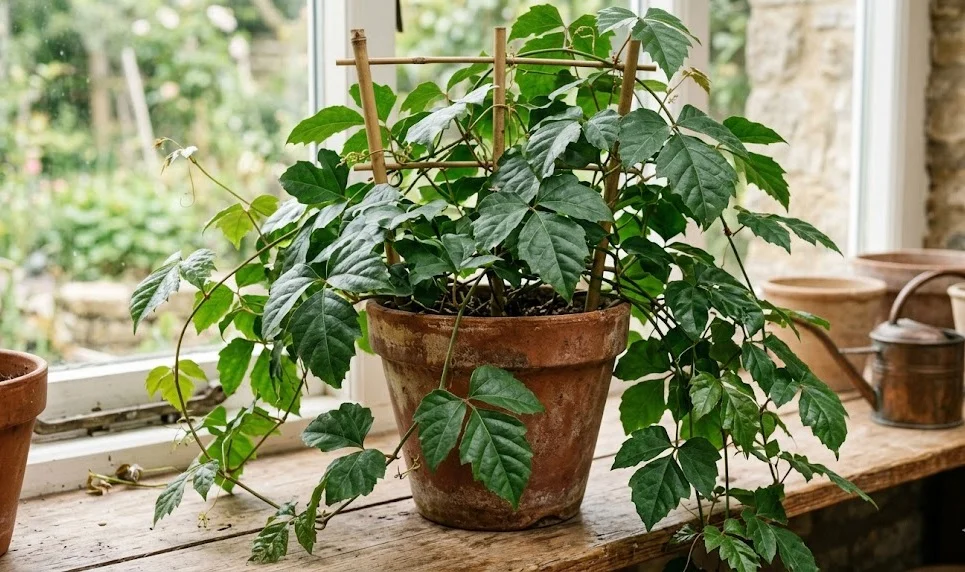
The foundation of successful cultivation begins with selecting the right container and ensuring it provides adequate drainage for the root system. Many enthusiasts find that terra cotta pots work exceptionally well because they allow the soil to breathe more effectively than plastic alternatives. You should ensure that the pot has several holes at the bottom to prevent any water from stagnating around the delicate roots. Choosing a container that is slightly larger than the current root ball allows for future growth without overwhelming the plant with excess soil.
Soil composition plays a critical role in the overall health of the plant by providing both nutrients and physical support. A high-quality peat-based potting mix is generally recommended because it retains moisture while still offering the porosity needed for air circulation. You might consider adding a bit of perlite or coarse sand to the mixture to further enhance the drainage capabilities of the medium. Avoiding heavy garden soils is essential since they tend to compact over time and can suffocate the roots of an indoor climber.
Acclimation is a vital step when bringing a new plant into your home or moving an existing one to a different room. Sudden changes in temperature or light intensity can cause the leaves to drop as the plant experiences environmental stress. It is best to gradually introduce the plant to its new location over a period of several days to minimize any potential shock. Monitoring the foliage during this transition period will help you identify if the plant is struggling with the new conditions.
Establishing a routine for cleaning the leaves is often overlooked but remains a crucial aspect of professional plant care. Dust accumulation on the foliage can block sunlight and reduce the efficiency of photosynthesis over the long term. You can use a soft, damp cloth to gently wipe each leaf, which also gives you an opportunity to inspect for any signs of hidden pests. This simple practice not only keeps the plant looking vibrant but also promotes a healthier growing environment by allowing the leaves to breathe.
Understanding the growth habit of the climber will help you decide whether to let it trail or provide a structure for it to ascend. These plants utilize small tendrils to latch onto surfaces, making them excellent candidates for wooden trellises or wire frames. If you prefer a hanging display, ensure the stems are distributed evenly to prevent the basket from becoming lopsided as the plant matures. Regular rotation of the pot ensures that all sides of the plant receive equal exposure to the ambient light in the room.
The humidity levels in most modern homes are significantly lower than what this species encounters in its native rainforests. To compensate for dry indoor air, you might place a tray filled with pebbles and water beneath the pot to create a localized microclimate. Alternatively, grouping several plants together can help increase the moisture levels through the natural process of transpiration. Avoid placing the plant directly in the path of air conditioning vents or heaters, as the dry air currents can quickly scorch the foliage.
Long-term care involves monitoring the age of the plant and determining when a full repotting becomes necessary for continued vigor. Typically, a young vine will require a new container every year or two, while older specimens can remain in the same pot for longer periods. If you notice roots beginning to circle the bottom of the pot or growing out of the drainage holes, it is time to provide more space. Fresh soil during this process provides a renewed supply of essential minerals that support the lush green color of the leaves.