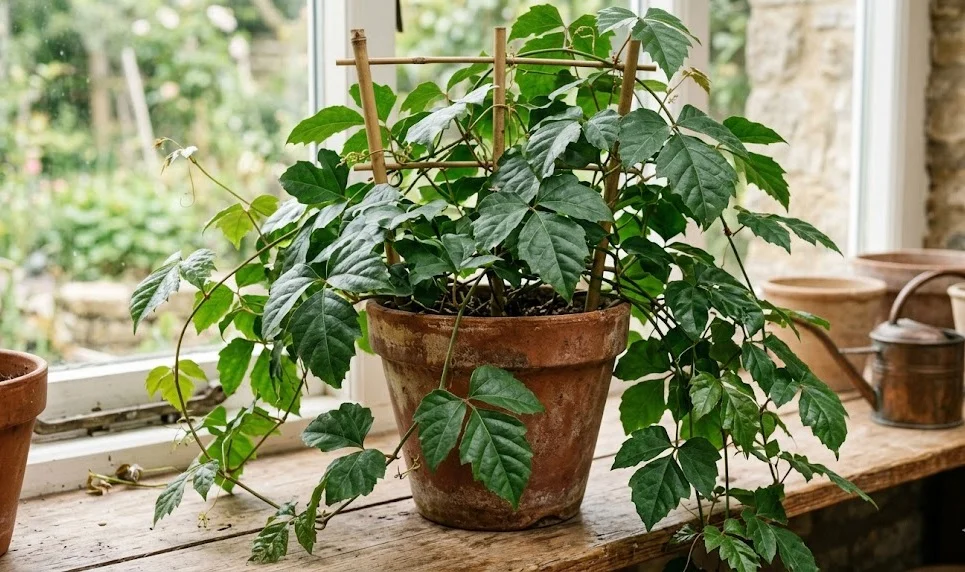

Successful planting begins with the selection of a nutrient-rich substrate that facilitates rapid root development while preventing moisture-related issues. The process of establishing a new specimen requires careful handling of the root system to avoid mechanical damage that could stunt early growth. Most professional horticulturists recommend a blend of organic compost and inorganic aerators like vermiculite for the best results. Setting the right foundation ensures that the climber has the structural and nutritional support it needs to flourish for years to end.
When you are ready to plant, ensure the root ball is thoroughly hydrated by soaking it in a shallow basin of water for a few minutes. Carefully remove the plant from its nursery container and gently loosen any roots that have started to grow in a circular pattern. Place the plant in the center of the new pot at the same depth it was previously growing to avoid stem rot. Firm the soil gently around the base to remove large air pockets while being careful not to compact the medium too tightly.
The most common and effective way to expand your collection is through the use of stem cuttings during the active growing season. Select a healthy, vigorous vine and cut a section that is approximately four to six inches long, ensuring it has several leaf nodes. Remove the lower leaves so that the bottom portion of the stem can be inserted into the rooting medium without any foliage touching the soil. Using a sharp, sterilized knife or pair of shears is crucial to prevent the introduction of pathogens into the fresh wound.
Rooting can be achieved either in a glass of clean water or directly in a moist, sandy potting mixture depending on your preference. If using water, change it every few days to keep it oxygenated and clear of any algae or bacterial buildup. When rooting in soil, it is often helpful to dip the end of the cutting into a rooting hormone powder to stimulate faster cellular differentiation. Maintain a consistent temperature and high humidity around the cuttings by covering them loosely with a clear plastic bag or placing them in a propagator.
Once the new roots have reached a length of about two inches, the young plants are ready to be transitioned into their permanent containers. This stage of propagation requires a gentle touch as the new roots are often brittle and can break easily during the transplanting process. Gradually acclimate the new plants to lower humidity levels if they were started in a covered environment to prevent wilting. Providing a diluted liquid fertilizer a few weeks after transplanting can help the young vine establish its first set of true leaves in the new medium.