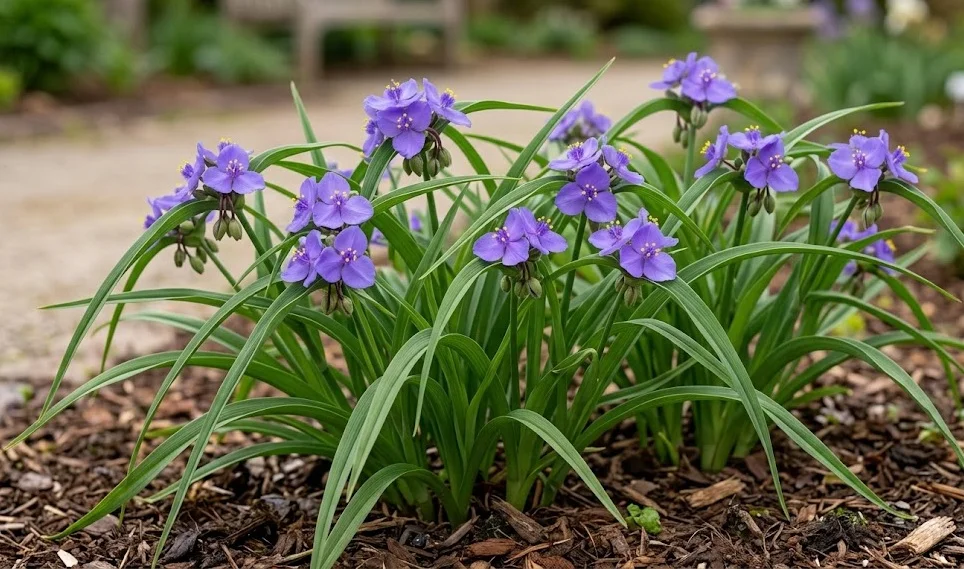

Pruning is a simple but effective way to keep your garden spiderwort looking its best throughout the long growing season. The most common form of pruning for this plant is known as deadheading, which involves removing the stems after the flowers have finished. This task keeps the plant looking tidy and prevents it from scattering seeds all over your garden beds. It also encourages the plant to produce more leaves, maintaining a lush and full appearance until the autumn.
Mid-summer is often the time when the plant can start to look a bit floppy or untidy after its first major flush of flowers. At this point, many professional gardeners choose to cut the entire plant back by about half of its height. While this might seem drastic, the spiderwort responds very quickly by sending up fresh, new growth from the base. Within a few weeks, you will have a much more compact and attractive plant that may even produce a second round of flowers.
Using the right tools is important to ensure that the cuts are clean and do not bruise the soft, succulent stems of the plant. A sharp pair of garden shears or bypass pruners are the ideal choices for this type of maintenance work. You should always make sure your tools are clean to prevent the accidental spread of any diseases between different plants. Taking a few minutes to wipe your blades with a disinfectant can save you a lot of trouble in the long run.
The final pruning of the year occurs in late autumn when the plant has finished its growth cycle for the season. Once the foliage has turned brown and brittle, you can cut the stems right down to the ground level. This prepares the plant for its winter dormancy and leaves the garden looking clean and organized for the coming months. With this final step, the maintenance cycle for your garden spiderwort is complete, and the roots are ready to rest until the spring.