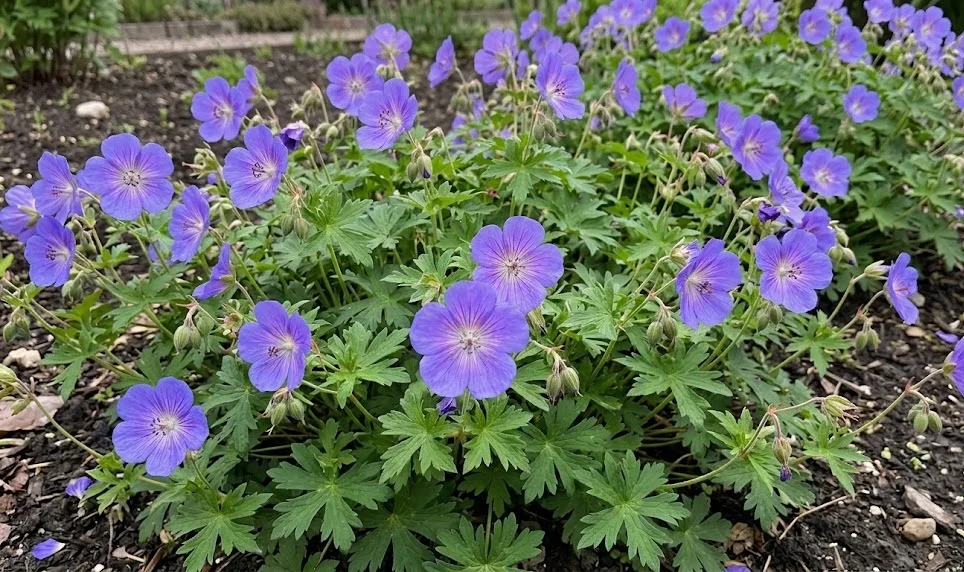

Mastering the art of pruning and cutting back is essential for maintaining the shape and vigor of Himalayan cranesbill. This perennial responds exceptionally well to the shears, allowing the gardener to control its spread and encourage multiple waves of flowers. While it may seem drastic to cut a healthy plant to the ground, this technique is a professional secret for keeping the garden looking fresh all summer long. This guide details the specific timing and methods for pruning this species to achieve the best horticultural results.
Pruning is not just about aesthetics; it is also a vital tool for the long-term health of the plant. By removing old or damaged stems, you allow for better air circulation and light penetration into the center of the clump. This reduces the risk of disease and prevents the plant from becoming woody and unproductive over time. Regular intervention keeps the cranesbill in a state of constant renewal and youthful energy.
There are different levels of pruning, ranging from the light removal of spent flowers to a complete “haircut” of the entire plant. Each technique serves a specific purpose depending on the time of year and the condition of the perennial. Knowing when to apply each method requires a bit of observation and an understanding of the plant’s growth cycle. A well-timed prune can transform a tired-looking garden bed into a vibrant display within just a few weeks.
Always use clean, sharp tools when pruning to ensure that the cuts are clean and heal quickly. Jagged or torn stems can become entry points for pests and diseases that might weaken the plant. Sanitizing your shears between different plants is also a professional best practice that prevents the spread of pathogens. Taking care of your tools is a fundamental part of being a successful and responsible gardener.
Deadheading for continuous bloom
Deadheading is the process of removing individual spent flowers before they have a chance to set seed. When a plant produces seeds, it uses a significant amount of energy that could otherwise be used for more flowers. By interrupting this natural process, you encourage the Himalayan cranesbill to keep producing new buds throughout the season. This simple task is the easiest way to extend the flowering period of your garden.
More articles on this topic
The best way to deadhead is to follow the flower stem down to where it meets a set of leaves or another bud and make a clean cut. Avoid leaving long, unsightly stubs that will eventually turn brown and detract from the plant’s appearance. Regular deadheading, perhaps once or twice a week, keeps the plant looking tidy and prevents it from becoming overly tall and floppy. It is a relaxing and rewarding task that allows you to spend more time observing your garden.
For larger colonies of cranesbill, individual deadheading might be too time-consuming for the busy gardener. In this case, you can use garden shears to lightly trim the top layer of the plant after the main flush of blooms has finished. This “shear” method is faster and provides a similar result by removing the developing seed heads. While it might remove a few unopened buds, the overall benefit to the plant’s appearance and energy levels is worth it.
If you are interested in collecting seeds for propagation, you should leave a few flower heads to mature naturally. However, be aware that many hybrid varieties of cranesbill do not grow true from seed, meaning the offspring may look different from the parent. For most ornamental gardens, consistent deadheading is the preferred approach for maintaining high visual standards. It keeps the focus on the beautiful blue flowers and lush green foliage.
Rejuvenating after flowering
Mid-summer is the time for a more dramatic pruning technique known as the “Chelsea Chop” or a complete rejuvenation cut. After the primary flowering season has ended, the Himalayan cranesbill can often look a bit tired and leggy. Cutting the entire plant back to within five to ten centimeters of the ground might seem heartless, but the plant’s reaction is almost magical. Within a couple of weeks, a fresh mound of vibrant green leaves will emerge from the crown.
More articles on this topic
This new growth is often much more compact and healthy than the older stems it replaced. In many cases, this rejuvenation also triggers a second, smaller flush of flowers later in the summer or early autumn. This second bloom is a wonderful bonus that adds color to the garden when many other perennials are starting to fade. It is a professional strategy for maintaining a “second spring” in the middle of the growing season.
Watering the plant thoroughly and applying a light fertilizer after a major cutback helps it recover quickly. The plant needs a boost of nutrients and moisture to fuel the rapid production of new foliage. If the weather is particularly hot and dry, providing some temporary shade can also help reduce the stress on the freshly cut stems. This combination of pruning and care ensures the plant remains a focal point in the landscape for the rest of the year.
This technique also helps manage the overall size of the cranesbill, preventing it from overwhelming its neighbors in a mixed border. By keeping the plant compact, you maintain the intended design and balance of the garden bed. It is an active way to “edit” your landscape and ensure that every plant has the space it needs to shine. Rejuvenation pruning is one of the most effective tools in the professional gardener’s kit.
Late season and winter cleanup
As the growing season comes to an end in the autumn, the final pruning tasks focus on preparing the plant for dormancy. Once the first hard frost has turned the foliage brown, you can cut the stems back to the ground level. Removing the dead material keeps the garden looking tidy during the winter months and reduces the chances of pests overwintering in the debris. It also makes the spring cleanup much easier and faster.
Some gardeners prefer to leave the foliage in place until late winter or early spring to provide extra protection for the crown. In regions with very cold, dry winters, this natural mulch can be beneficial for the plant’s survival. However, in damp climates, leaving the dead leaves can sometimes encourage rot and fungal problems. Choosing the best approach depends on your local weather patterns and your personal aesthetic preferences.
If you choose to leave the stems standing, they can provide a structural element in the winter garden, especially when covered in frost or light snow. The skeletal remains of the plants add interest to the landscape during the quietest time of the year. If you follow this path, be sure to cut them back as soon as the first signs of new growth appear in the spring. This timing ensures that the new shoots have plenty of light and air from the very beginning.
Pruning and cutting back the Himalayan cranesbill is a cycle of care that repeats year after year. Each cut you make is an investment in the future beauty and health of the plant. By mastering these techniques, you become a more active participant in the life of your garden. The result is a vibrant, healthy, and perfectly managed perennial display that brings joy throughout the entire growing season.