
The relationship between light and the Himalayan cranesbill is a fundamental factor that dictates its growth habit and flowering potential. This perennial is famous for its versatility, but finding the “sweet spot” for sunlight can elevate its performance from good to extraordinary. Professional gardeners pay close attention to how light levels change throughout the day and the seasons to place these plants for maximum impact. This article explores the specific light needs of this species and how to manage them in a variety of garden settings.
In its native environment, the Himalayan cranesbill often grows in alpine meadows or on the edges of woodlands. This means it has evolved to thrive in areas where it receives plenty of bright light but is occasionally sheltered from the most intense heat. Translating this to the home garden usually means a position in full sun or light, dappled shade. Understanding this balance is the first step in ensuring a healthy and productive plant.
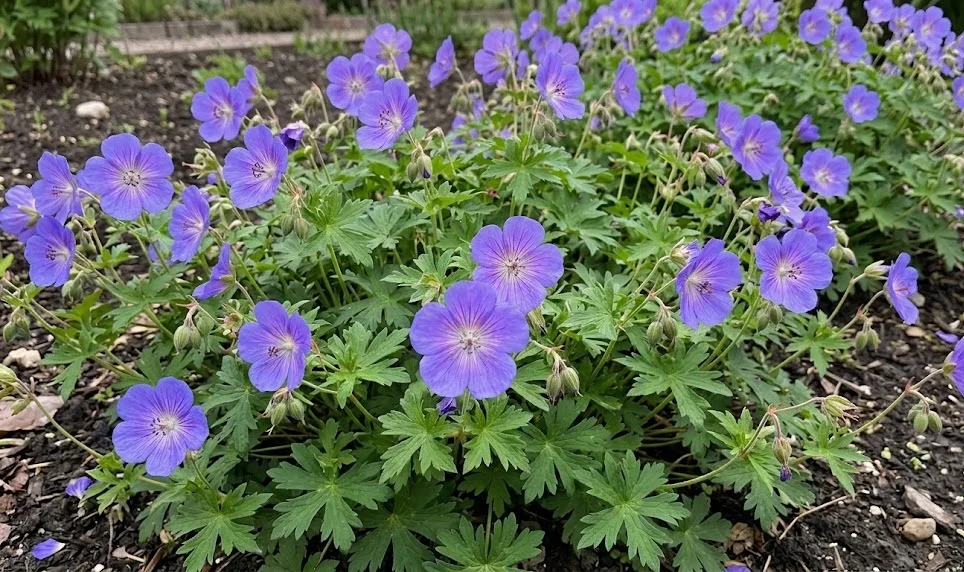
The intensity and duration of sunlight directly influence the production of the plant’s striking blue flowers. A cranesbill grown in a very sunny spot will typically produce more blooms and have a more compact, mounding shape. Conversely, a plant in deep shade may become “leggy” as it stretches toward the light, and its flowering will be much more sparse. Balancing these two extremes is the key to achieving the perfect ornamental display.
Light also plays a role in the health and color of the foliage throughout the year. In full sun, the leaves are often a deep, vibrant green and may develop richer autumn colors when the temperatures drop. In more shaded locations, the leaves might be a lighter shade of green and remain softer in texture. By observing these subtle differences, you can determine if your cranesbill is receiving the right amount of energy from the sun.
Finding the ideal exposure
A south or west-facing border is often the most successful location for a Himalayan cranesbill in a temperate climate. These spots provide the long hours of direct sunlight that the plant needs to build up its energy reserves. However, in regions with particularly hot summers, some afternoon shade can be beneficial to prevent the leaves from scorching. Providing a break from the most intense midday sun helps the plant stay fresh and hydrated.
More articles on this topic
Dappled shade under the canopy of large, deciduous trees is another excellent environment for this species. This setting mimics its natural woodland edge habitat, providing a mix of direct and filtered light throughout the day. The moving patterns of light and shadow create a dynamic environment that many perennials find very hospitable. It also prevents the soil from drying out as quickly as it would in a completely open field.
If your garden is mostly shaded, you can still grow Himalayan cranesbill, but you should adjust your expectations for flowering. Focusing on its value as a foliage ground cover is a professional way to use the plant in less-than-ideal light conditions. Some varieties are more shade-tolerant than others, so researching specific cultivars can help you find one that fits your garden’s lighting profile. Experimenting with placement is part of the creative process of gardening.
Reflected light from light-colored walls or fences can also be used to boost the energy available to the plant. This can be a clever way to grow sun-loving perennials in areas that might otherwise be too dark. However, be aware that these spots can also become very hot, so extra watering might be necessary. Using the existing structures in your garden to manage light levels is a hallmark of professional landscape design.
Light and seasonal changes
The amount of light available in your garden changes significantly as the sun’s path moves across the sky throughout the year. A spot that is in full sun during the height of summer might be in deep shadow during the late autumn and winter. Understanding these seasonal shifts helps you plan your planting so that the cranesbill receives light when it needs it most. The most critical period for light is from late spring through the end of the flowering season.
More articles on this topic
In the spring, early morning light is particularly valuable for warming up the soil and stimulating new growth. As the days lengthen, the plant uses the increasing energy to develop its stems and flower buds rapidly. If a plant is shaded by early-blooming shrubs that lose their leaves later, it might struggle to get started. Timing the light availability with the plant’s growth cycle is a sophisticated way to manage a perennial border.
As autumn approaches and the light intensity fades, the Himalayan cranesbill begins to transition into its dormant phase. The changing light quality often triggers the beautiful shifts in foliage color that many gardeners appreciate. This is a natural signal to the plant that it is time to stop growing and start storing energy for the winter. Observing these transitions helps you connect more deeply with the natural cycles of your garden.
During the winter, light levels are less important for the dormant plant, but the position of the sun still matters. A spot that receives some winter sun might experience more frequent freeze-thaw cycles, which can be stressful for the roots. Conversely, a spot that remains in deep shadow all winter will stay frozen longer, which can be beneficial for dormancy. These small details can influence how well your cranesbill returns the following spring.
Adapting to microclimates
Every garden has unique microclimates created by buildings, trees, and the local topography. A professional gardener learns to identify these zones and uses them to their advantage when planting. A small courtyard might trap heat and light, creating a much warmer environment than a nearby open field. Matching the light requirements of the Himalayan cranesbill to these specific spots ensures long-term success.
If you find that your cranesbill is not thriving in its current location, do not be afraid to move it. These plants are quite resilient to transplanting, especially in the spring or autumn. If a plant looks weak and pale, it might be telling you that it needs more light to produce its food. Moving it just a few meters to a sunnier spot can often result in a dramatic improvement in its health and appearance.
Competition for light from other plants is another factor to consider when managing your garden layout. Fast-growing neighbors can quickly overshadow a smaller cranesbill, stealing its energy and reducing its flowering potential. Regular pruning of nearby shrubs and thinning out aggressive perennials keeps the light levels consistent for everyone. Maintaining a balanced “light budget” for your garden prevents any single plant from being left in the dark.
Finally, remember that the Himalayan cranesbill is a flexible partner that will try to adapt to whatever light you provide. While it has its preferences, it is one of the more forgiving perennials in terms of exposure. By paying attention to its subtle cues and making small adjustments, you can find the perfect place for it to shine. Your garden is a living laboratory, and understanding light is one of the most important experiments you can conduct.