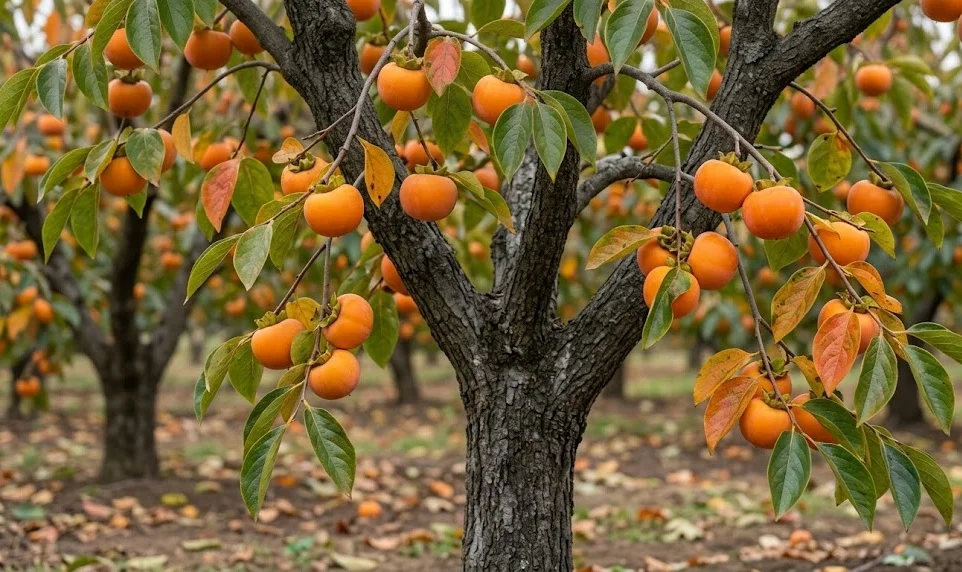

Establishing a new orchard or adding a single specimen to your landscape begins with the foundational steps of planting and propagation. The asian persimmon is a rewarding species to grow, but it requires a thoughtful start to ensure it develops a strong root system. Whether you are starting from a young nursery tree or attempting to multiply your own stock, precision is key to future success. This guide explores the most effective methods for bringing these beautiful trees into your garden environment.
Planning for successful planting
The timing of your planting effort is the first major decision that will influence the tree’s survival rate. Late winter or early spring, while the tree is still in its dormant state, is generally considered the best period. This allows the roots to settle into their new home before the energy-intensive process of leafing out begins. Avoid planting during the heat of mid-summer, as the high temperatures can place too much stress on a newly moved sapling.
Choosing high-quality nursery stock is essential for getting your project off to the strongest possible start. Look for trees that have a healthy, well-developed root system and a straight, undamaged trunk at the graft union. If you are buying bareroot trees, ensure that the roots have been kept moist and have not been allowed to freeze. Container-grown trees should not be root-bound, as this can lead to girdling issues that affect the tree years later.
Site preparation involves more than just digging a hole; it requires creating a hospitable environment for the young roots. Clear a wide area of all grass and weeds to prevent competition for the limited resources available in the soil. Loosen the dirt in a circle much wider than the root ball to allow the new roots to penetrate easily. If the native soil is extremely poor, you can mix in a small amount of compost, but avoid over-fertilizing at this stage.
Digging the hole to the correct depth is perhaps the most common mistake made by home gardeners during planting. The tree should be situated so that the graft union remains well above the soil line to prevent the scion from rooting. Planting too deep can suffocate the roots and lead to trunk rot, while planting too shallow can cause the roots to dry out. Aim for a depth that matches the level at which the tree was growing in the nursery or container.
More articles on this topic
The planting process step by step
Once the hole is prepared, place the tree in the center and spread the roots out naturally in all directions. If the tree was in a container, gently loosen the outer roots to encourage them to grow outward rather than in a circle. Hold the tree upright while you begin to backfill the hole with the original soil you removed. It is helpful to have a second person assist you during this stage to ensure the tree remains perfectly vertical.
As you add soil back into the hole, press down gently with your hands to remove any large air pockets. Do not pack the soil too tightly with your feet, as this can compact the earth and make it difficult for water to penetrate. Every few inches of soil should be accompanied by a light watering to help the dirt settle naturally around the roots. This process creates a solid connection between the tree and its new environment without damaging the delicate root hairs.
After the hole is completely filled, create a small basin of soil around the outer edge of the planting area. This basin helps to direct water toward the root zone rather than allowing it to run off across the surface. Immediately after planting, give the tree a thorough soaking to ensure the entire root ball is hydrated. This initial deep watering is critical for reducing transplant shock and helping the tree establish itself quickly.
Protecting the young tree from external threats is the final step in the immediate planting process. Install a sturdy tree guard around the base of the trunk to prevent damage from rodents or mechanical equipment. Staking may be necessary if the site is particularly windy or if the tree is top-heavy, but it should be done loosely. The goal is to provide support while still allowing the tree to move slightly, which encourages stronger trunk development.
More articles on this topic
Propagation through grafting techniques
Grafting is the most reliable way to propagate specific varieties of asian persimmons while ensuring they have a hardy root system. This process involves joining a piece of a known variety, called the scion, onto a compatible rootstock. The most common rootstock used for this purpose is the native persimmon, known for its extreme cold hardiness and vigor. Success depends on the precise alignment of the cambium layers of both the scion and the rootstock.
The whip and tongue graft is a popular method for small-diameter wood and provides a very strong physical bond. You must use sharp, sterilized tools to make clean, matching cuts that fit together like pieces of a puzzle. Once the pieces are joined, they must be wrapped tightly with grafting tape to exclude air and prevent the wood from drying out. Applying a layer of grafting wax or sealant over the top adds an extra layer of protection against moisture loss.
Cleft grafting is often used when the rootstock is significantly larger than the scion wood you are using. This involves splitting the top of the rootstock and inserting two scions into the edges of the split. It is a very effective way to top-work an existing tree into a more desirable variety or to create a multi-variety tree. Careful monitoring is required during the first growing season to ensure the union heals completely and begins to grow.
Timing for grafting is usually during the late winter or early spring, just as the sap begins to flow but before the buds open. Scion wood should be collected while it is still fully dormant and stored in a cool, moist place until you are ready to use it. The rootstock, however, should be just starting to wake up for the highest success rates. Grafting is an art that takes practice, but it is the key to expanding your orchard with your favorite varieties.
Seed and cutting propagation
Growing asian persimmons from seed is a fascinating experiment, though the resulting trees may not produce the same quality of fruit as the parent. Seeds must be collected from fully ripe fruit and cleaned thoroughly to remove any remaining pulp. They require a period of cold stratification for several months to break their natural dormancy. Planting them in a well-drained seed starting mix in the spring will usually result in germination within a few weeks.
Young seedlings are quite delicate and need to be protected from direct, harsh sunlight during their first few months of life. They develop a long taproot very quickly, so it is best to move them to their permanent location or a deep pot early on. While these trees may not be used for their fruit, they make excellent rootstocks for later grafting projects. Expect a seed-grown tree to take several years longer to reach fruit-bearing age compared to a grafted tree.
Propagation from cuttings is generally considered more difficult for asian persimmons than for many other fruit species. Softwood cuttings taken in the early summer can sometimes be rooted with the help of high humidity and bottom heat. Using a rooting hormone can increase the chances of success, but the failure rate remains relatively high for home gardeners. Hardwood cuttings taken during the dormant season are even more challenging to root successfully without professional equipment.
Regardless of the propagation method you choose, the young plants will require consistent care during their first few years. Regular watering, light fertilization, and protection from extreme weather are all necessary to ensure they survive to maturity. Building your own nursery of young trees can be a deeply satisfying part of the gardening experience. Each new tree represents a future harvest and a continuation of the persimmon tradition in your landscape.