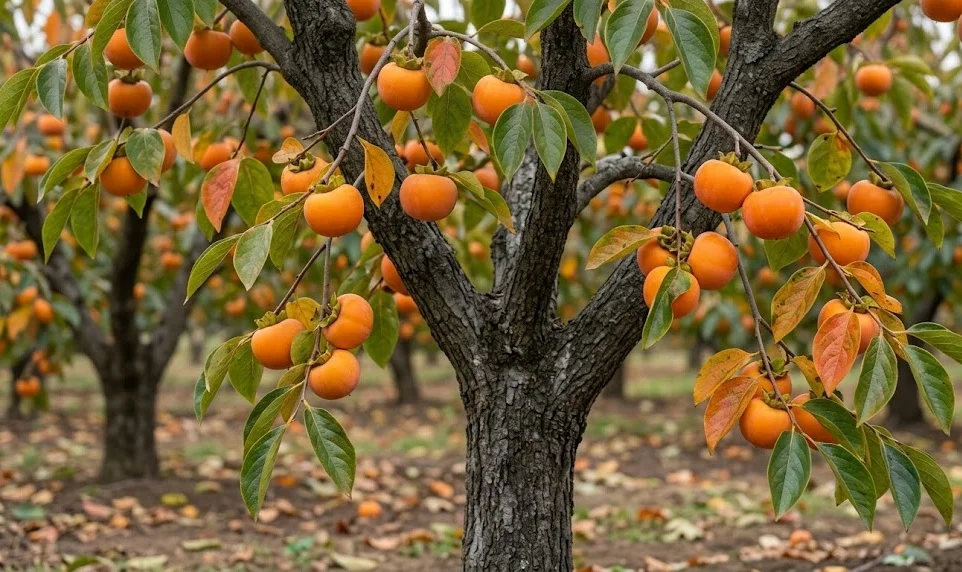

Cultivating these magnificent trees requires a blend of patience and specific horticultural knowledge to ensure a bountiful harvest. The asian persimmon is known for its striking foliage and delicious, honey-sweet fruit that matures late in the season. Proper care begins with understanding the environment in which these trees thrive and adapting your garden practices accordingly. By following a structured maintenance routine, you can enjoy the aesthetic and culinary benefits of this tree for decades.
Selecting the ideal location
The choice of site is perhaps the most critical factor in ensuring the long-term health of your fruit tree. You must find a spot that offers deep, well-draining soil to accommodate the tree’s extensive taproot system. Avoid areas where water tends to collect after heavy rain, as constant moisture can lead to root rot. A location protected from harsh northern winds will also help the tree maintain its structural integrity during winter months.
Sunshine plays a pivotal role in the development of both the wood and the fruit throughout the year. The tree requires a significant amount of solar energy to produce the sugars necessary for high-quality persimmons. Placing the tree on a gentle southern slope can maximize light exposure and improve air circulation around the canopy. Good air movement is essential because it reduces the humidity that often encourages fungal growth on the leaves.
Soil quality should be assessed well before the tree reaches its peak production years in your garden. Persimmons prefer a slightly acidic to neutral pH range to absorb nutrients efficiently from the earth. If your soil is heavy clay, consider incorporating organic matter to improve the overall texture and drainage capabilities. Testing the soil every few years allows you to make precise adjustments to the mineral balance for optimal growth.
Space management is another vital consideration when planning the layout of your home orchard or garden. These trees can grow quite large over time, so they need ample room to spread their branches without competition. Crowding can lead to poor fruit production and increased susceptibility to various environmental stressors. Ensuring a distance of at least five meters from other large structures or trees will provide the necessary breathing room.
More articles on this topic
Seasonal maintenance routines
Spring is the time when the tree awakens from its winter dormancy and begins its rapid growth phase. You should monitor the bud break closely to ensure that the emerging tissues are healthy and vibrant. Applying a fresh layer of mulch around the base helps to regulate soil temperature as the weather warms up. This is also the period when the tree starts to require more consistent moisture to support new leaf development.
Summer care focuses primarily on maintaining hydration and managing the developing fruit load on the branches. As the heat intensifies, the tree may experience stress if the soil is allowed to dry out completely for long periods. Checking the moisture levels deep in the root zone ensures that the tree has the resources to sustain its growth. It is important to watch for any signs of leaf wilt or premature fruit drop during these hot months.
Autumn brings the excitement of the harvest, but it also requires specific attention to the tree’s preparation for rest. You will notice the leaves changing to brilliant shades of orange and red, indicating the end of the growth cycle. During this time, you should gradually reduce the frequency of watering to encourage the wood to harden off properly. Collecting any fallen fruit or debris from around the base prevents pests from finding a winter home.
Winter maintenance is relatively minimal but remains essential for the overall longevity of the asian persimmon tree. This is the best time to inspect the bark and general structure for any damage caused by wildlife or weather. Protect the trunk from sunscald and extreme temperature fluctuations using light-colored tree wraps if necessary. Keeping the area clean during the dormant season reduces the likelihood of diseases carrying over into the next spring.
More articles on this topic
Managing soil fertility
Understanding the nutrient requirements of your tree is essential for maintaining its vigor and fruit quality. Nitrogen is particularly important during the early years when the tree is focused on building its primary structure. However, excessive nitrogen in mature trees can lead to a surplus of foliage at the expense of fruit production. Balanced applications of organic compost can provide a steady supply of essential minerals throughout the growing season.
The timing of nutrient application is just as important as the type of fertilizer you choose to use. Early spring is usually the most effective window for feeding, as the roots are actively seeking resources for new growth. Splitting the application into two smaller doses can prevent the leaching of nutrients during heavy spring rains. Always water the soil thoroughly after applying any amendments to help the minerals reach the root system.
Micronutrients such as zinc and boron also play a subtle but vital role in the health of the tree. A deficiency in these elements can manifest as distorted leaves or poor fruit set during the flowering period. Using a broad-spectrum organic fertilizer often covers these requirements without the need for specialized chemical additives. Monitoring the color and size of the leaves will give you clear indicators of the tree’s internal health.
Long-term soil health is best maintained through the consistent addition of well-rotted organic matter to the surface. This practice not only provides nutrients but also improves the soil’s ability to hold onto moisture and beneficial microorganisms. Earthworms and other soil dwellers thrive in such environments, further aerating the ground around the roots. Over time, this natural approach creates a self-sustaining ecosystem that supports the tree’s complex needs.
Optimizing fruit production
Flower development is the first step toward a successful harvest and requires specific environmental conditions to proceed. Most asian persimmon varieties are self-fertile, but having a diverse garden can sometimes improve the overall fruit set. You should avoid using heavy pesticides during the blooming period to protect the bees and other pollinators. Healthy pollination results in more uniform fruit shapes and better seeds if you are growing seeded varieties.
Fruit thinning is a practice that many gardeners overlook, but it is essential for producing high-quality persimmons. If the tree sets too much fruit, the individual persimmons will remain small and may lack the desired flavor. Removing excess fruit early in the summer allows the tree to direct its energy into the remaining crop. This also prevents the heavy branches from breaking under the weight of an overly large harvest.
The ripening process of the asian persimmon is unique because many varieties require a period of softening to lose their astringency. You can tell the fruit is nearing maturity when it loses its green hue and turns a deep, glowing orange. Some growers prefer to harvest the fruit while it is still firm and allow it to ripen indoors at room temperature. This technique protects the crop from birds and prevents damage from early autumn frosts.
Harvesting should be done with care to avoid bruising the delicate skin of the fruit or damaging the tree. Use sharp pruning shears to cut the stem close to the fruit rather than pulling it off the branch. Handle each persimmon gently and store them in a cool, dry place to extend their shelf life after picking. Proper storage ensures that you can enjoy the fruits of your labor well into the winter months.
Weed and mulch management
Controlling the growth of weeds around the base of the tree is vital for reducing competition for water and nutrients. Young trees are particularly vulnerable to being overshadowed by aggressive grasses or invasive broadleaf weeds. Mechanical weeding should be done carefully to avoid nicking the shallow roots that spread out from the trunk. Establishing a clear, weed-free zone around the tree makes all other maintenance tasks much easier to perform.
Applying a thick layer of organic mulch is one of the most beneficial things you can do for your tree. Materials like wood chips, straw, or shredded bark act as an insulating blanket for the soil and the root system. This layer suppresses weed germination and significantly reduces the evaporation of moisture from the ground during the summer. As the mulch decomposes, it slowly adds valuable organic matter back into the underlying soil.
When applying mulch, it is important to keep the material several inches away from the actual trunk of the tree. Piling mulch against the bark can create a moist environment that invites rot and provides cover for boring insects. A depth of five to ten centimeters is usually sufficient to provide all the benefits without causing these secondary issues. Check the thickness of the mulch twice a year and replenish it as needed to maintain coverage.
Mulching also helps to protect the tree from mechanical damage caused by lawnmowers or string trimmers used in the garden. By creating a physical barrier, you reduce the risk of accidentally hitting the trunk and creating wounds. These wounds can serve as entry points for pathogens that might compromise the health of the entire tree. A well-mulched tree looks professionally cared for and thrives much better than one left to compete with grass.
Monitoring tree health
Regular inspections are the best way to catch potential problems before they become serious threats to your tree. You should walk around the tree once a week during the growing season to look for any changes. Check the undersides of the leaves for small insects or signs of fungal spots that might be developing. Early detection allows for more natural and less invasive interventions to be effective in the long run.
The appearance of the bark can reveal a lot about the internal pressure and hydration levels of the tree. Healthy bark should be firm and relatively consistent in color, depending on the age of the specimen. Cracks or weeping areas might indicate that the tree is under significant stress or has been infected by a pathogen. Noticing these details early can save the tree if corrective measures are taken immediately by the gardener.
Vigor is another important indicator that you should observe throughout the spring and summer growth flushes. A healthy asian persimmon should produce several inches of new wood each year once it is established in the ground. If the growth seems stunted or the leaves are unusually small, it may be time to reassess your fertilization or watering schedule. Comparing the tree’s performance to previous years helps you understand its specific life cycle.
Record keeping is a professional habit that can help you become a better gardener over several seasons. Write down the dates of flowering, fruit set, and harvest, along with any weather extremes the tree experienced. Noting when you applied fertilizer or mulch provides a clear timeline for your care routine and its results. This information becomes an invaluable resource as the tree matures and its needs evolve over the decades.
Aesthetic and structural integrity
The asian persimmon is not only a functional fruit tree but also a stunning ornamental addition to any landscape. Its large, glossy leaves provide excellent shade during the summer and turn spectacular colors in the autumn. The architecture of the tree is naturally graceful, but it can be enhanced through careful guiding during its early years. A well-maintained tree adds significant value and beauty to your property throughout every season of the year.
Maintaining a strong central leader or a well-spaced open center is crucial for the structural health of the plant. You want to ensure that the main scaffold branches are attached at wide angles to prevent splitting under heavy loads. Removing any crossing or rubbing branches early on prevents future wounds that could invite disease into the wood. A balanced canopy allows light to reach all parts of the tree, which is essential for uniform fruit development.
As the tree ages, you may need to provide physical support for the branches during particularly heavy cropping years. Wooden stakes or specialized tree props can help distribute the weight and prevent limb breakage during the late summer. Taking these proactive steps ensures that the tree remains intact and healthy for its entire natural lifespan. A structurally sound tree is much more resilient against heavy snow or strong winds during the winter.
Finally, appreciate the journey of growing such a unique and rewarding species in your own backyard or orchard. The relationship between a gardener and their tree grows stronger with each passing season of careful observation and work. By providing the right care, you are not just growing fruit; you are cultivating a living legacy that can be enjoyed by others. Success with asian persimmons is a testament to the dedication and skill of the person tending the garden.