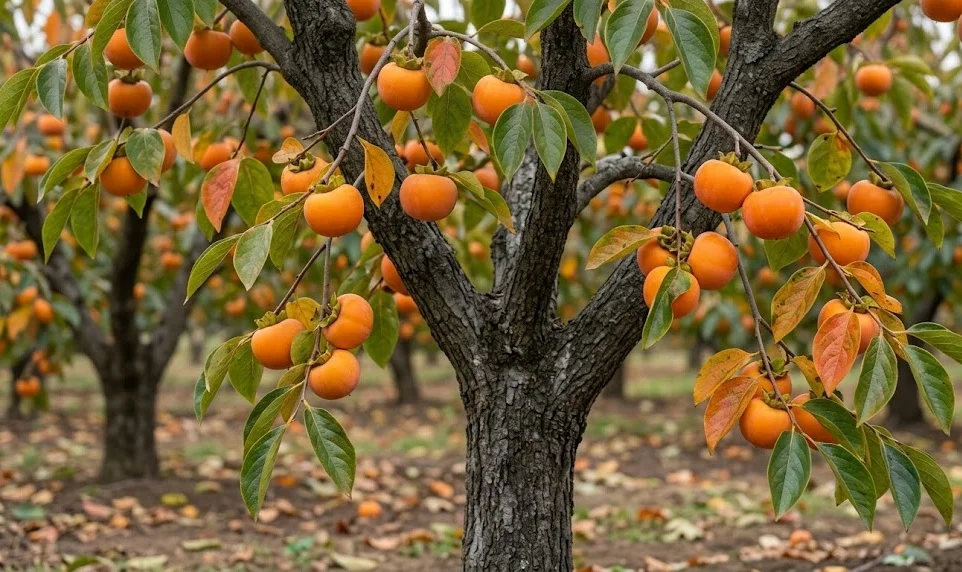

Maintaining the health of an asian persimmon tree involves a proactive approach to identifying and managing various biological threats. While these trees are generally quite resilient compared to other stone fruits, they are not entirely immune to problems. Fungal infections, bacterial issues, and specific insect pests can all impact the vigor of the tree and the quality of the harvest. By understanding the common enemies of the persimmon, you can implement an effective protection strategy that minimizes damage.
Identifying common fungal diseases
Leaf spot is one of the most frequent fungal issues encountered by persimmon growers, especially during humid summers. It appears as small, dark spots on the foliage that can eventually cause the leaves to turn yellow and drop prematurely. While a minor infection won’t kill the tree, significant defoliation can weaken the plant and reduce the next year’s fruit crop. Improving air circulation by pruning and removing fallen leaves from the base of the tree are the first lines of defense.
Anthracnose is another serious fungal threat that can affect the leaves, twigs, and even the developing fruit. It often manifests as sunken, dark lesions that can girdle small branches if left unchecked. This disease thrives in wet weather and can spread rapidly through splashing rain or overhead irrigation. Pruning out infected wood during the dormant season is essential for keeping the fungal spores from overwintering in the canopy.
Root rot, often caused by species like Phytophthora, is a silent killer that attacks the tree from beneath the soil. The first symptoms are usually seen above ground as general wilting, yellowing leaves, and a lack of overall vigor. This condition is almost always the result of poor drainage or over-watering, which creates the perfect environment for the fungus to thrive. Prevention is the only effective cure, as established root rot is extremely difficult to treat successfully once the tree is infected.
Powdery mildew can sometimes appear as a white, flour-like coating on the surfaces of the leaves and young shoots. It is most common in late summer when the days are warm and the nights are cool and damp. While it is mostly an aesthetic problem, severe cases can distort new growth and interfere with the tree’s ability to photosynthesize. Keeping the tree well-hydrated and ensuring it is planted in a sunny location will help minimize the impact of this fungus.
More articles on this topic
Managing insect pests in the orchard
The persimmon borer is a particularly destructive insect that can cause significant structural damage to the tree. The larvae of this moth tunnel into the wood near the soil line, disrupting the flow of water and nutrients. You might notice “frass,” which looks like sawdust, or gummy sap oozing from holes in the lower trunk. Protecting the trunk from mechanical injury and using specific pheromone traps can help monitor and manage this pest before it becomes a major problem.
Scale insects are small, immobile pests that attach themselves to the branches and suck the sap directly from the tree. They often look like small bumps or shells on the bark and can be difficult to spot until the population is quite large. A heavy infestation of scale can cause branch dieback and a general decline in the tree’s health over several seasons. Applying dormant oil in late winter is a highly effective and environmentally friendly way to smother these insects.
Mealybugs and aphids are common sap-sucking insects that tend to cluster on the tender new growth and the undersides of leaves. They produce a sticky substance called honeydew, which can encourage the growth of black sooty mold on the foliage. While a few of these insects are rarely a threat to a healthy tree, they can be easily managed with a strong blast of water or insecticidal soap. Encouraging natural predators like ladybugs and lacewings in your garden provides a long-term, biological solution to these pests.
Fruit flies and various beetles may take an interest in the persimmons as they begin to ripen and soften on the branch. These pests can damage the skin of the fruit, leading to secondary rot and making the harvest unusable. Picking the fruit as soon as it reaches maturity and removing any overripe or damaged fruit from the ground will reduce the attraction for these pests. Netting the tree can also be an effective way to protect the crop from both insects and hungry birds.
More articles on this topic
Bacterial and physiological issues
Crown gall is a bacterial disease that causes large, woody tumors to form on the roots or at the base of the trunk. The bacteria enter the tree through wounds caused by pruning, insects, or mechanical damage from garden tools. Once a tree is infected with crown gall, there is no cure, though a healthy tree can often live with the galls for many years. To prevent its spread, always sterilize your pruning equipment between trees and avoid buying nursery stock with visible galls.
Leaf scorch is often mistaken for a disease, but it is actually a physiological response to environmental stress. It happens when the tree loses water through its leaves faster than the roots can replace it, usually during hot, windy weather. The edges of the leaves turn brown and brittle, giving the tree a burnt appearance. Ensuring deep soil moisture and providing windbreaks can help protect the foliage from this type of damage during the height of summer.
Premature fruit drop can be caused by various factors, including sudden changes in weather or inconsistent watering. While it is natural for a tree to shed some fruit it cannot support, excessive dropping can be frustrating for the gardener. This can also be a sign of poor pollination or a lack of specific nutrients like boron during the flowering stage. Maintaining a stable environment and a balanced fertilization program is the best way to ensure the fruit remains on the tree until harvest.
Sunscald is another physiological problem that occurs when the bark is damaged by extreme temperature fluctuations during the winter. The sun warms the bark during the day, causing the cells to wake up, only for them to be killed when the temperature drops rapidly at night. This results in long, vertical cracks or sunken areas on the south-facing side of the trunk. Painting the trunk with white latex paint or using tree wraps can reflect the sunlight and prevent this damage.
Integrated pest management strategies
Adopting an integrated pest management (IPM) approach means using a variety of methods to keep the orchard healthy while minimizing chemical use. The first step is always regular monitoring to identify which pests or diseases are actually present in your garden. By understanding the life cycles of these organisms, you can time your interventions for maximum effectiveness. This method prioritizes cultural and biological controls before turning to more intensive treatments.
Sanitation is one of the most powerful tools in any gardener’s arsenal for disease and pest prevention. Regularly removing fallen leaves, mummified fruit, and dead wood eliminates the hiding places where pathogens and insects overwinter. This simple practice significantly reduces the amount of “inoculum” present in the garden for the following spring. A clean orchard is naturally more resistant to outbreaks and requires less intervention throughout the growing season.
Encouraging biodiversity in and around your orchard creates a natural balance that helps control pest populations. Planting flowering herbs and native shrubs nearby attracts beneficial insects that prey on the pests that target your persimmon trees. This creates a self-regulating ecosystem where the need for external pesticides is greatly reduced. Birds can also be valuable allies in the fight against caterpillars and larger insects if provided with nesting sites.
When chemical treatments are necessary, choose the least toxic options that are specific to the problem you are facing. Horticultural oils and insecticidal soaps are excellent choices for many common pests and have a low impact on the environment. Always follow the label instructions carefully and apply treatments at the correct time of day to avoid harming pollinators. The goal of a professional gardener is to manage the problem effectively while maintaining the health of the overall garden ecosystem.
Long-term resilience and recovery
A healthy, vigorous tree is much better equipped to survive and recover from any pest or disease encounter. Proper watering, fertilization, and site selection provide the foundation for a strong immune system in the plant. When a tree is stressed by drought or poor nutrition, it becomes a beacon for opportunistic insects and pathogens. Investing time in basic care is the best insurance policy you can have for your asian persimmon.
If your tree does suffer a major setback, such as a severe fungal infection or heavy pest damage, do not lose hope. Persimmons have a remarkable ability to rebound if the underlying stress is addressed and the tree is given proper support. Prune away any dead or heavily diseased wood and ensure the tree has adequate water during its recovery phase. Sometimes, a year of reduced fruit production is necessary for the tree to rebuild its internal resources.
Keep a detailed log of any issues you encounter and the treatments that were most effective for your specific location. This personal experience is invaluable as you continue to grow and care for your orchard over the years. You may find that certain varieties of asian persimmon are more resistant to the specific pests in your area than others. Sharing this knowledge with other local gardeners can help build a more resilient community of fruit growers.
Ultimately, the goal is not to have a perfectly sterile tree, but one that exists in a healthy balance with its environment. Some minor cosmetic damage to the leaves or a few lost fruits are often a small price to pay for a naturally grown crop. By staying observant and proactive, you can enjoy the beauty and bounty of the asian persimmon for many decades. Success comes from working with nature rather than trying to completely dominate the garden environment.