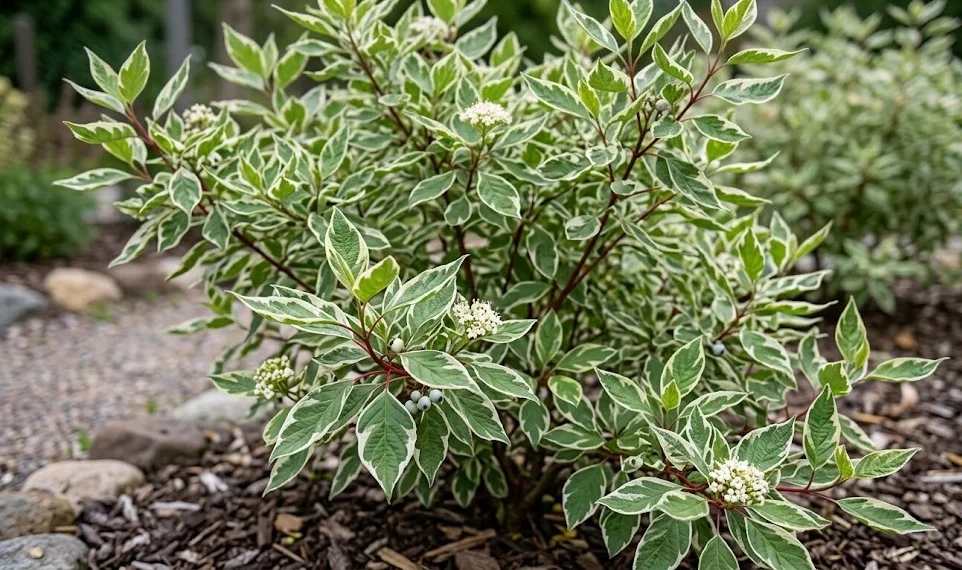

Understanding the specific light requirements of the variegated dogwood is essential for maintaining the crisp white margins and healthy green centers of its distinctive foliage. This cultivar is particularly sensitive to the intensity and duration of sunlight, which directly influences its growth habit, stem color, and overall vitality. In its native woodland habitats, it often occupies the transition zones where it receives a mix of sun and shade, making it a highly adaptable but demanding plant in the garden landscape. Achieving the perfect balance of light is a hallmark of professional placement and care for this ornamental shrub.
While the variegated dogwood can grow in a wide range of light conditions, from full sun to partial shade, each extreme brings its own set of challenges and benefits. In full sun, the plant tends to grow more compactly and produces the most intense red stem color for the winter months. However, the delicate white parts of the leaves are more prone to scorching during the hottest part of the summer, especially in warmer climates. Conversely, in deep shade, the plant may lose some of its bright variegation, becoming more green as it tries to capture more light for photosynthesis.
A professional approach to light management involves observing the specific microclimate of the planting site throughout the entire day and even the entire year. The angle of the sun changes with the seasons, meaning a spot that is perfectly shaded in the spring might be in direct, scorching sun by mid-summer. Selecting a location that offers bright, filtered light or morning sun with afternoon protection is often considered the ideal compromise for this variety. This placement allows the plant to thrive without the stress of extreme heat while still maintaining its ornamental characteristics.
Monitoring the plant’s response to its light environment is an ongoing task for the expert gardener. The leaves serve as a primary indicator; if they are becoming mostly green, the plant likely needs more light, while brown, crispy edges often signal too much direct sun. By understanding these signals and being prepared to make adjustments, such as providing temporary shade or thinning nearby trees, you can ensure the dogwood remains a healthy and beautiful component of your professional gardening projects.
Optimizing light for foliage and stems
The relationship between light and the variegated dogwood’s aesthetic features is complex and requires a professional eye to manage effectively. The white variegation on the leaves is caused by a lack of chlorophyll in those areas, which makes the plant slightly less efficient at producing energy than its solid green counterparts. This means that while it needs enough light to grow vigorously, it cannot handle the same intensity of direct sunlight that a fully green plant might. Providing bright, indirect light is often the best way to keep the foliage looking its best throughout the growing season.
More articles on this topic
Light also plays a critical role in the development of the red pigments in the stems, which are the plant’s main attraction during the winter. For the most vibrant stem color, the plant needs exposure to sunlight during the summer and autumn months as it prepares for dormancy. Shrubs grown in more sun will almost always have brighter, more intense red bark than those grown in significant shade. A professional designer will often place the dogwood where it can receive enough sun to color up its stems without compromising the health of its summer leaves.
In regions with very hot summers, the “ideal” light often comes from a position that receives direct sun only during the cooler morning hours. As the sun reaches its peak in the afternoon, some form of dappled shade from taller trees or nearby structures protects the variegated leaves from the harshest UV rays. This strategy prevents leaf scorch and keeps the plant looking fresh even during the dog days of August. In cooler, more northern climates, the plant can often handle much more direct sun throughout the day without any negative effects on the foliage.
It is also important to consider the density of the plant’s own canopy and how it affects the light reaching its interior branches. Regular thinning through professional pruning allows light to penetrate into the center of the shrub, encouraging growth from the base and preventing the interior from becoming bare and spindly. This not only improves the overall health of the plant but also ensures that the colorful stems are produced throughout the entire structure of the bush. Balancing external light levels with internal light penetration is a key part of long-term maintenance.
Managing shade and sun transitions
One of the most common challenges in professional landscaping is managing the changes in light that occur as a garden matures over many years. A variegated dogwood that was originally planted in the perfect amount of sun may eventually find itself in deep shade as neighboring trees grow taller and wider. When this happens, the shrub may begin to stretch toward the light, losing its compact form and showing a decrease in the quality of its variegation. Recognizing these slow changes allows you to take proactive steps, such as pruning the surrounding canopy to restore the necessary light levels.
More articles on this topic
Conversely, the sudden loss of a shade tree due to storm damage or disease can expose a dogwood to much higher light levels than it is accustomed to. This transition can be a major shock to the plant, often resulting in severe leaf scorch and general stress as it tries to adapt to the new conditions. In such cases, providing temporary shade or increasing the watering frequency can help the plant survive the first few seasons of increased exposure. Over time, the plant will often produce smaller, tougher leaves that are better suited to the higher light environment.
Light requirements can also be influenced by the reflective properties of nearby surfaces, such as light-colored walls or fences. These surfaces can bounce significant amounts of extra light and heat onto the shrub, effectively increasing the intensity of the sun even in a partially shaded spot. A professional gardener will take these reflections into account when choosing a planting site, perhaps moving the dogwood a few feet further away to avoid the extra heat. Understanding the “invisible” light in a garden is just as important as monitoring the direct sunlight from above.
Finally, the seasonal shift in light intensity is a natural cycle that the variegated dogwood is well-adapted to, provided its basic needs are met. The soft, increasing light of spring perfectly supports the emergence of new leaves, while the decreasing light of autumn signals the plant to prepare for dormancy and winter color. By aligning your care routine with these natural patterns, you work with the plant’s biology rather than against it. A professional approach to light management ensures that the variegated dogwood remains a resilient and stunning feature of the landscape through every seasonal transition.
Identifying and correcting light-related issues
The most obvious sign of light-related stress in a variegated dogwood is leaf scorch, which appears as brown, papery edges on the white parts of the leaves. This is most common during periods of high heat and low humidity when the plant cannot move water to the leaf margins fast enough to cool them down. If you see this happening regularly, it is a clear indication that the plant is receiving too much direct sun for its current location and hydration level. Increasing the mulch depth and providing more consistent water can help, but a more permanent solution might involve providing more shade.
On the opposite end of the spectrum, a dogwood that is not receiving enough light will often show a loss of variegation, with the leaves becoming almost entirely green. The plant does this as a survival strategy to increase its photosynthetic capacity in a low-light environment. While the plant may still be healthy, it will lose much of the ornamental appeal that makes this variety so desirable. In such cases, moving the plant to a brighter location or reducing the shade from nearby plants is the most professional and effective way to restore its beauty.
Growth habit can also be an indicator of light quality, with plants in too much shade often becoming “leggy” or sparsely branched as they reach upward for more light. These plants often lack the structural strength and density of those grown in more appropriate light conditions. Regular pruning can help manage the shape, but it cannot fully compensate for a fundamentally inadequate light environment. A professional assessment of the site’s light should be the first step in troubleshooting any issues with the plant’s growth or appearance.
Ultimately, the variegated dogwood is a versatile shrub that rewards the professional gardener who pays attention to its light requirements. By choosing the right site and monitoring the plant’s reaction to its environment, you can achieve the perfect balance of foliage health and winter stem color. This attention to detail is what ensures the success of a high-quality landscape design. Through careful observation and expert management, you can ensure that the variegated dogwood continues to thrive and brighten the garden for many years to come.