
The arrival of autumn brings a significant challenge for every gardener who loves the princess flower, as this tropical beauty cannot survive freezing temperatures. You must have a clear plan in place to protect your plant from the first frost, which can occur unexpectedly during the changing of the seasons. Whether you choose to bring the plant indoors or provide extra protection in a mild climate, the goal is to keep it alive and healthy until the warmth of spring returns. This transition period requires careful attention to detail and a shift in your regular maintenance routines to match the plant’s slower winter metabolism.
Preparing for winter starts well before the actual cold arrives, beginning with a gradual reduction in the amount of fertilizer you provide to the plant. You want to discourage new, tender growth that would be particularly susceptible to damage from the dropping temperatures. Many gardeners start this process in the late summer, allowing the existing stems to harden off and become more resilient before they are moved or covered. This simple adjustment to your feeding schedule helps the plant prepare itself internally for the coming period of rest and lower energy production.
If you are growing your princess flower in a container, the task of overwintering is much simpler, as you can easily move it to a more sheltered location. You should look for a spot that is bright but stays consistently above ten degrees Celsius throughout the winter months. A sunroom, a heated garage with windows, or even a bright corner of your living room can serve as a temporary home for your tropical collection. The move should be done before the nighttime temperatures regularly drop below eight degrees to avoid shocking the plant with a sudden change in environment.
For those who have planted their princess flower in the ground in a borderline hardy zone, extra layers of protection will be necessary to ensure its survival. You can apply a thick layer of organic mulch around the base of the plant to insulate the root system from the cold earth. Some people also build temporary structures using stakes and frost blankets to create a warmer microclimate around the stems during the coldest nights. While this is more work than moving a pot, it can allow you to keep a large and established specimen as a permanent part of your outdoor landscape.
Managing the indoor transition
Moving a large plant from the outdoors to an indoor environment can be a stressful experience for both the gardener and the princess flower itself. You should take this opportunity to thoroughly inspect the plant for any pests that might want to hitch a ride into your home for the winter. It is often a good idea to give the entire plant a gentle wash with a mild soap solution or a spray of water to remove any hidden insects or dust. This cleaning process ensures that you are starting the indoor season with a healthy and pest-free specimen that won’t infect your other house plants.
More articles on this topic
The light levels inside a typical home are much lower than what the plant is used to outdoors, so you should place it in the brightest spot available. A south-facing window that receives several hours of direct sunlight each day is the ideal location for a princess flower during its indoor stay. If you don’t have enough natural light, you might need to supplement with a full-spectrum grow light to keep the leaves green and prevent the stems from stretching. You will notice that the plant may drop some of its older leaves as it adjusts to the lower light, which is a normal part of the transition.
Temperature control is another critical factor when keeping tropical plants indoors during the colder months of the year. You should keep the princess flower away from drafty windows, doors, and heating vents that could cause rapid fluctuations in temperature or dry out the air too much. Aim for a consistent indoor temperature that mimics a mild spring day, ideally between fifteen and twenty-two degrees Celsius. If the air in your home is very dry due to central heating, using a room humidifier can help to maintain the humidity levels the plant needs to stay healthy.
During this transition, you should also reconsider your watering habits, as the plant will need much less moisture than it did during the hot summer months. The cooler indoor temperatures and lower light levels mean that the soil will stay moist for much longer after each watering session. You should always wait until the top two inches of soil are dry before adding more water to the container to prevent root rot. This slower pace of care reflects the plant’s natural dormant state and is the best way to ensure its survival through the long winter.
Dormancy and winter maintenance
Understanding the concept of dormancy is key to successfully overwintering the princess flower without causing unnecessary stress to the plant. While it might not go completely dormant like a deciduous tree, its growth will slow down significantly, and it may stop flowering altogether. This is a period of rest where the plant is conserving its energy and building up its reserves for the next growing season. You should respect this natural cycle by avoiding any heavy pruning or fertilization until you see signs of new growth in the early spring.
More articles on this topic
Checking the moisture levels becomes a weekly ritual that requires a light touch and a bit of intuition based on your specific indoor conditions. You might only need to water your princess flower once every ten to fourteen days during the peak of winter if the room is cool. Always use room-temperature water to avoid chilling the roots, which can be sensitive to the cold water coming straight from the tap in winter. If you notice the leaves looking slightly limp, it’s usually a sign that it’s time for a drink, but always double-check the soil first to be sure.
Pest monitoring remains important even during the winter, as indoor conditions can sometimes encourage the growth of spider mites or fungus gnats. These pests thrive in the warm, still air of a home and can quickly become a problem if they are not caught early. You should make a habit of checking the undersides of the leaves and the surface of the soil once a week during your regular care routine. If you do find any issues, treat them promptly with organic methods that are safe for use in an indoor living space.
Keeping the leaves clean during their time indoors is also a great way to support the plant’s health and maintain its aesthetic appeal. Dust can accumulate quickly in a home environment, and a gentle wiping of the velvety leaves with a soft damp cloth will help the plant breathe better. This simple task also gives you a chance to bond with your plant and notice any subtle changes in its condition that might require attention. Your consistent but low-key care during the winter is what will set the stage for a spectacular return to the garden in the spring.
Preparing for the spring return
As the days begin to lengthen and the temperatures outside start to rise, you will notice your princess flower coming back to life with fresh green shoots. This is the signal that it is time to start preparing the plant for its eventual return to its outdoor summer home. You can begin to slowly increase the amount of water you provide and introduce a very weak solution of acidic fertilizer to support the emerging growth. It is an exciting time for any gardener as you see the results of your hard work and care throughout the long winter months.
Before moving the plant back outside permanently, it is essential to put it through a process known as hardening off to avoid environmental shock. Start by placing the plant in a shaded, protected spot outdoors for just an hour or two during the warmest part of the day. Gradually increase the amount of time the plant spends outside and its exposure to direct sunlight over a period of about ten to fourteen days. This slow introduction allows the leaves to toughen up and adjust to the more intense light and fluctuating temperatures of the outdoors.
Spring is also the perfect time to perform any necessary maintenance tasks that you put off during the winter, such as repotting or significant pruning. If the plant has become root-bound in its winter container, moving it to a larger pot with fresh soil will give it the space it needs for summer growth. You can also prune back any leggy or damaged stems to encourage a bushier shape and more flower production in the coming months. These tasks provide a fresh start for the plant and ensure it enters the new growing season in the best possible condition.
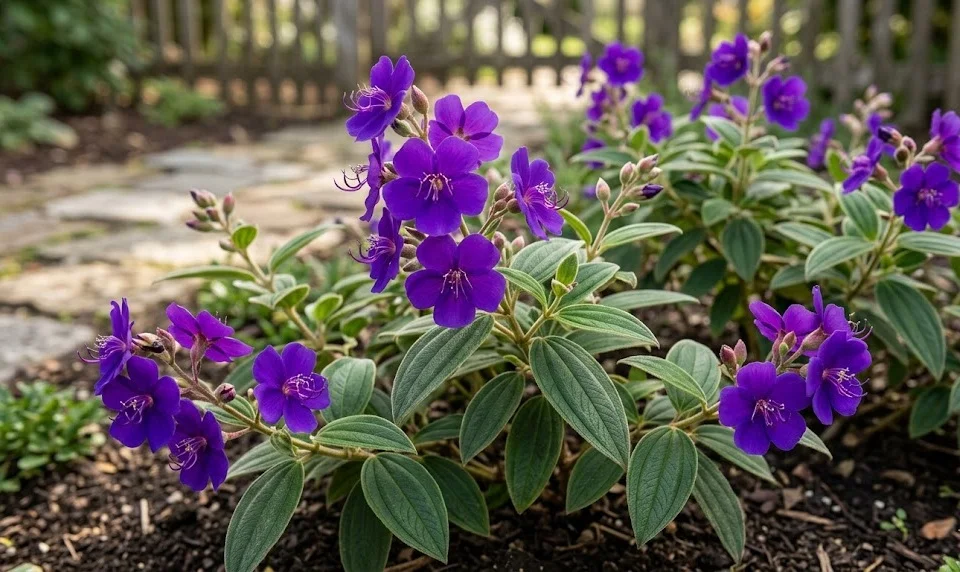
Once the danger of frost has completely passed and the nighttime temperatures are consistently warm, your princess flower can take up its rightful place in your garden. You will find that after a successful winter indoors, the plant is often ready to grow with renewed vigor and produce an even more spectacular display of flowers. The cycle of overwintering is a testament to the dedication of a true gardener and the resilience of this beautiful tropical species. Enjoy the rewards of your effort as the first purple buds begin to appear on the healthy, green stems of your princess flower.