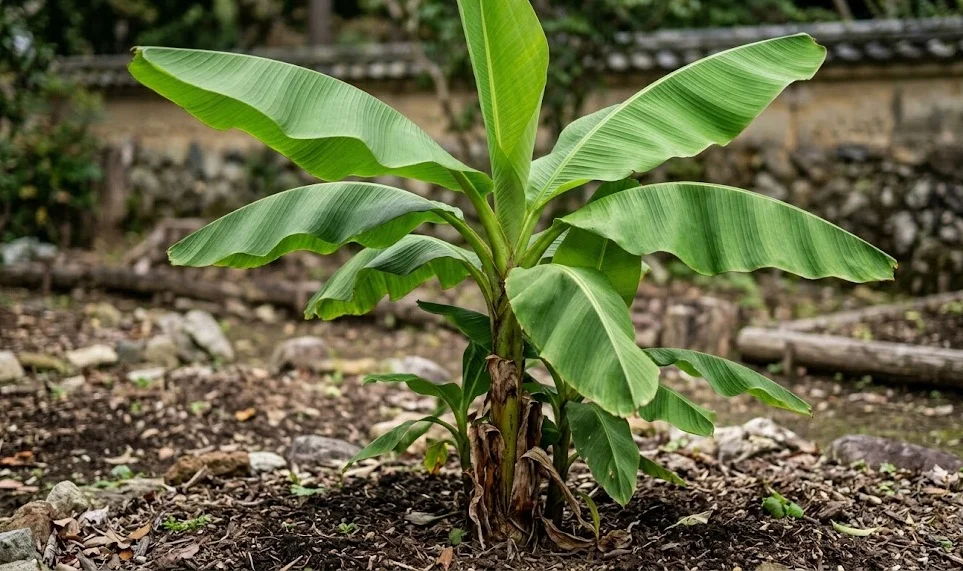

Preparing the Japanese banana for the winter months is a defining task for gardeners in temperate regions who wish to see their plants return with renewed vigor each spring. While the rhizome of this species is remarkably cold-hardy, the soft, water-filled tissues of the pseudostem and leaves are highly susceptible to frost damage. A successful overwintering strategy involves protecting the underground life of the plant while deciding whether to preserve the height of the stem or allow it to regrow from the base. With the right techniques and a bit of physical effort, you can ensure that your tropical giant survives even the harshest winter temperatures.
Preparation for the first frost
The process of overwintering begins long before the first snowflakes fall, starting with a gradual reduction in care during the late summer and early autumn. Stop all fertilization by late August to prevent the plant from producing new, soft growth that would be easily destroyed by even a light frost. This allows the existing tissues to “harden off” and the plant to begin moving its energy reserves down into the rhizome. Reducing the watering frequency during September also helps the plant transition into its natural dormant state.
As the nights grow cooler, keep a close eye on the local weather forecast for any signs of an approaching frost. The first few light frosts will usually turn the leaves black and mushy, which is the signal that it is time for the gardener to step in. While the blackened leaves may look unsightly, they can actually provide a small amount of insulation for the main stem for a short period. However, for a tidy garden and to prevent rot, most people choose to cut the foliage away as soon as it has been killed by the cold.
Before you begin the physical protection of the plant, ensure the area around the base is clean and free of any debris that could harbor pests or moisture-loving fungi. Removing the old mulch and replacing it with a fresh, dry layer can help prevent soil-borne issues during the damp winter months. If you are planning to keep the pseudostem intact, this is also the time to gather all the necessary materials, such as straw, chicken wire, and burlap. Having your “winter kit” ready ensures you won’t be caught off guard by a sudden drop in temperature.
Finally, consider the overall health of the plant throughout the past season when deciding on your overwintering strategy. A plant that has struggled with pests or poor nutrition may benefit from being cut all the way to the ground to allow for a completely fresh start in the spring. Conversely, a robust and healthy specimen is a prime candidate for stem preservation, which can give you a massive head start on height the following year. Your goal is to provide the best possible conditions for the rhizome to survive in a “suspended” state until the warmth returns.
More articles on this topic
Mulching and wrapping techniques
The most common method for protecting a Japanese banana in the ground is to focus on the rhizome, which can survive temperatures down to roughly minus fifteen degrees Celsius if properly mulched. After the first frost has killed the leaves, cut the pseudostem down to a height of about thirty to fifty centimeters. Cover this remaining stump and the surrounding root zone with a massive pile of dry mulch, such as straw, fallen leaves, or bark chips. This insulating layer should be at least thirty centimeters thick and extend outward about a meter from the center of the plant.
To prevent the mulch from blowing away or becoming a soggy mess, many gardeners place a waterproof cover, such as a plastic tarp or a large upturned bucket, over the center of the mound. It is important to leave some gaps for air circulation to prevent the stump from rotting in the damp darkness. This “mountain of mulch” mimics the natural leaf litter that would protect the plant in its native habitat. In the spring, this mulch can be pulled back and integrated into the garden soil as a rich source of organic matter.
If you want to preserve the height of the pseudostem to achieve a “tree-like” look more quickly, a more elaborate wrapping technique is required. Start by cutting off the leaves but leaving the entire vertical stem intact. Surround the stem with a cylinder of chicken wire, leaving a gap of about ten to fifteen centimeters all the way around. Fill this gap with dry straw, packing it firmly but not so tight that it loses its insulating air pockets. Wrap the outside of the wire cylinder with burlap or fleece to keep the straw in place and provide an extra layer of protection.
The top of the wrapped stem must be protected from rain and snow, as moisture entering the center of the pseudostem can cause it to rot from the inside out. A waterproof “cap” made from plastic or an old bucket works well, provided it is secured against the winter winds. It is crucial to remember that the goal is to keep the stem dry as much as it is to keep it warm. On very mild winter days, some gardeners temporarily open the top of their wraps to allow any trapped moisture to evaporate, though this is not always strictly necessary.
More articles on this topic
Container wintering strategies
For those who grow their Japanese bananas in pots, the overwintering process is slightly different but often more straightforward. Because the roots in a container are much more exposed to the cold than those in the ground, a pot left outside will likely freeze solid, killing the plant. The easiest solution is to move the entire container into a frost-free environment, such as a garage, basement, or cool greenhouse. The temperature should ideally stay between five and ten degrees Celsius, which is cool enough to maintain dormancy but warm enough to prevent tissue damage.
Before moving the plant indoors, cut back the foliage to make it more manageable and to reduce the amount of moisture the plant loses through transpiration. You do not need to provide much light during this period, as the plant will not be actively growing. The soil should be kept on the dry side, only providing a small amount of water once every few weeks to keep the rhizome from completely desuccating. Overwatering a dormant plant in a cool room is the fastest way to cause root rot.
If you don’t have enough space to bring a large pot inside, you can “heel in” the container by burying it in the ground and covering it with a thick layer of mulch. This uses the Earth’s natural thermal mass to keep the pot from freezing. Alternatively, you can wrap the pot itself in several layers of bubble wrap or insulation and place it in a very sheltered corner of the garden. However, this is always a bit riskier than bringing the plant indoors, and success will depend on the severity of the winter.
Another option for container-grown specimens is to remove the plant from the pot, shake off the excess soil, and store the bare rhizome in a box of dry peat moss or sawdust. This is a very space-efficient method that is often used by gardeners with limited storage. Keep the box in a cool, dark, and dry place until the spring. When the weather warms up, the rhizome can be repotted in fresh soil and brought back into the light to begin its new growth cycle.
Spring revival and uncovering
The timing of the “unveiling” in the spring is a delicate balance between encouraging new growth and avoiding damage from late-season frosts. You should wait until the danger of hard freezes has passed and the soil temperatures have begun to rise consistently. Typically, this occurs around the same time you would plant out other semi-hardy perennials or start your vegetable garden. Removing the winter protection too early can expose the tender, emerging shoots to a sudden cold snap that can set the plant back by weeks.
Start by gradually removing the upper layers of mulch or wrapping to allow the plant to acclimate to the changing conditions. If you have wrapped the entire stem, check the top for any signs of rot or new green growth. If the top of the stem has become soft, you may need to cut it back until you reach firm, healthy tissue. Don’t be discouraged if the stem looks a bit weathered; the core of the plant is often much more resilient than the outer layers suggest.
Once the protection is removed, clear the area around the base and apply a fresh layer of compost or a balanced slow-release fertilizer. This provides the plant with the immediate nutrients it needs to fuel its explosive spring growth. Water the area thoroughly to settle the soil and help wake up the root system. You will soon see the “cigar leaf” begin to push out from the center of the stem or new shoots emerging directly from the ground if you cut the plant back.
The first few leaves may look a bit stunted or pale as the plant finds its rhythm, but they will quickly be followed by the large, vibrant foliage that the Japanese banana is known for. If a surprise late frost is predicted after you have uncovered the plant, simply throw a temporary piece of fleece or a large blanket over it for the night. Within a few weeks of the spring revival, your banana will be well on its way to becoming the tropical centerpiece of your garden once again.